Investigating History
THE LOST TUNNELS OF HIGUCHI BUTAI – CLARK FIELD – 樋口の失われたトンネル、クラーク・ヒコジョの舞台
The Granite Hill 花崗岩の丘
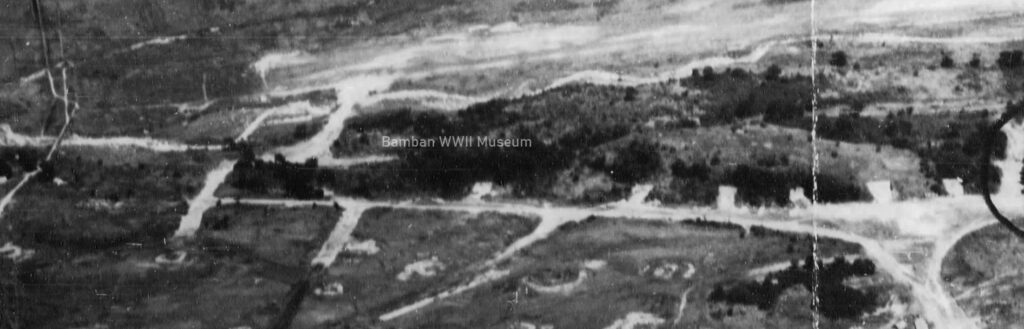
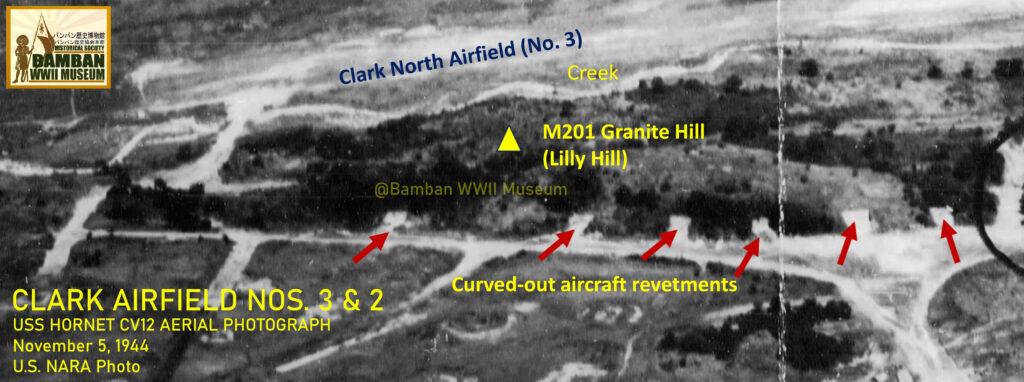
Late October 1944, the Imperial Japanese Navy’s A6M Zero (Zero-sen) were taking off at the air strip of Clark North Airfield. Behind the airfield to the east rise the Japanese called M201 Granite Hill, or what is now Lilly Hill. Major Higuchi commanded his 31st Airfield Battalion, in charge of security and maintenance of the air strip.
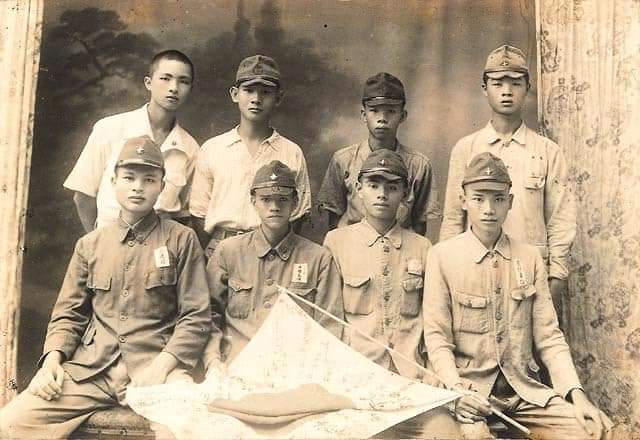
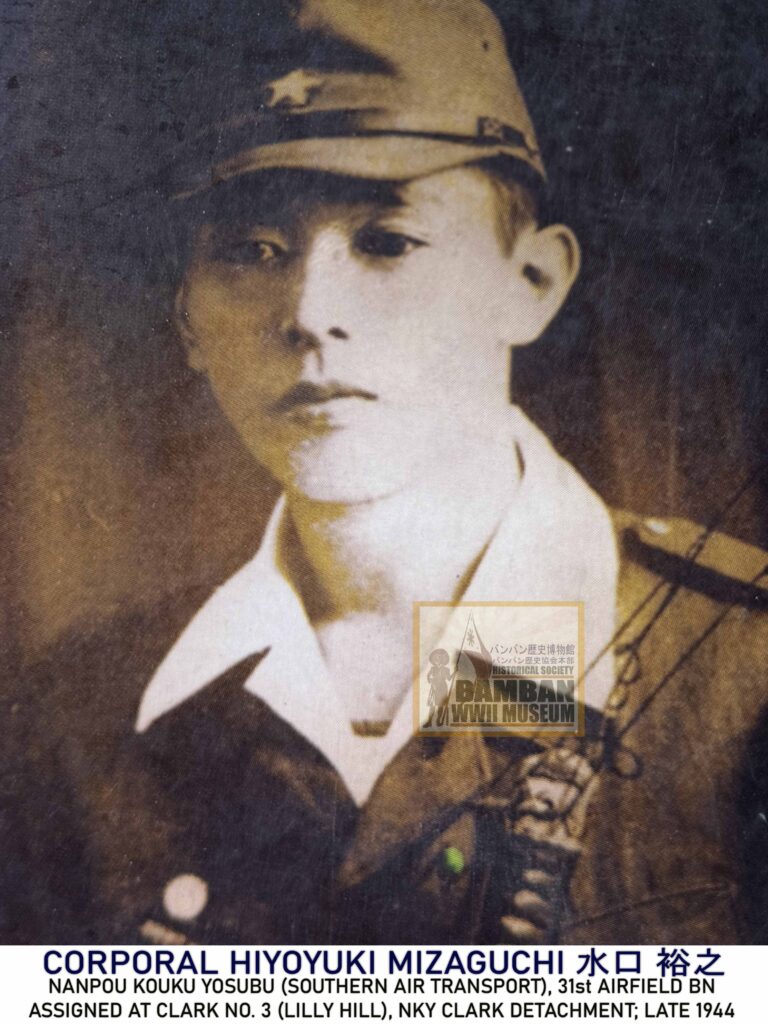
Hiroyuki Mizaguchi at Lilly Hill 1944 水口博之、リリーヒルにて 1944年
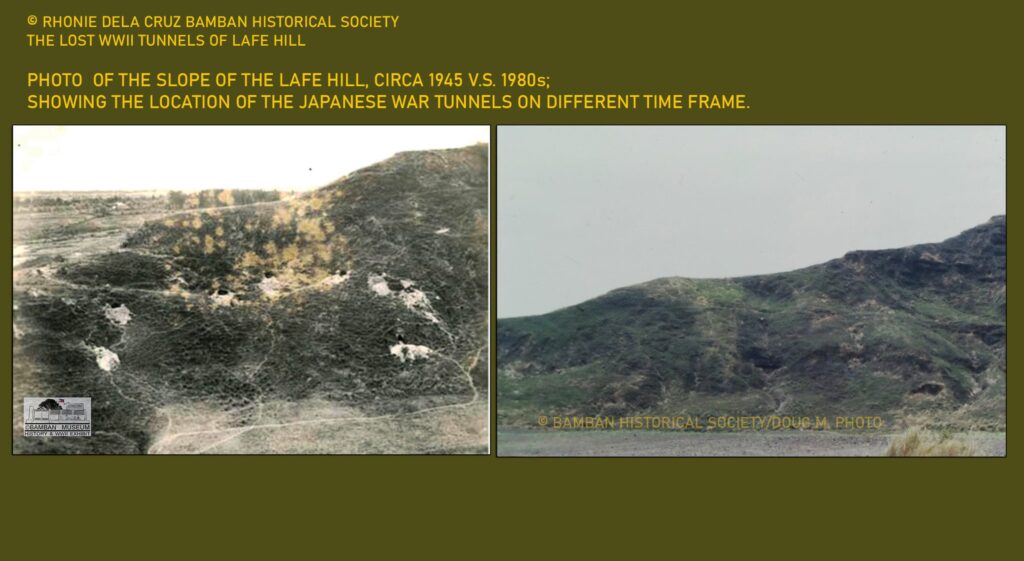
Corporal Mizaguchi and his unit of Air Transport was attached to the 31st Airfield Battalion, 10th Air Sector, 4th Air Division at Clark North Airfield. Adjacent to the air strip was Lilly Hill, or M201 Granite Hill, where the southwestern slope was curved the volcanic rocks to be used as natural aircraft revetments and hiding them from American aerial bombardments. Numerous tunnels were also curved on the slopes of M201 Granite Hill by men of Major Higuchi’s 31st Airfield Battalion.
Eyewitness to Kamikaze Sorties 特攻機の出撃を目撃した人々
Imperial Japanese Army’s Construction Unit under the 4th Air Division was responsible in the construction and maintenance of Japanese Army facilities at Clark, its Settetai Construction and Labor personnel provided the much-needed labor workforce in the construction of tunnels. Corporal Mizaguchi saw many of the young Japanese Navy pilots on suicide missions (Kamikaze), taking off from the air strip near Lilly Hill; never to come back.
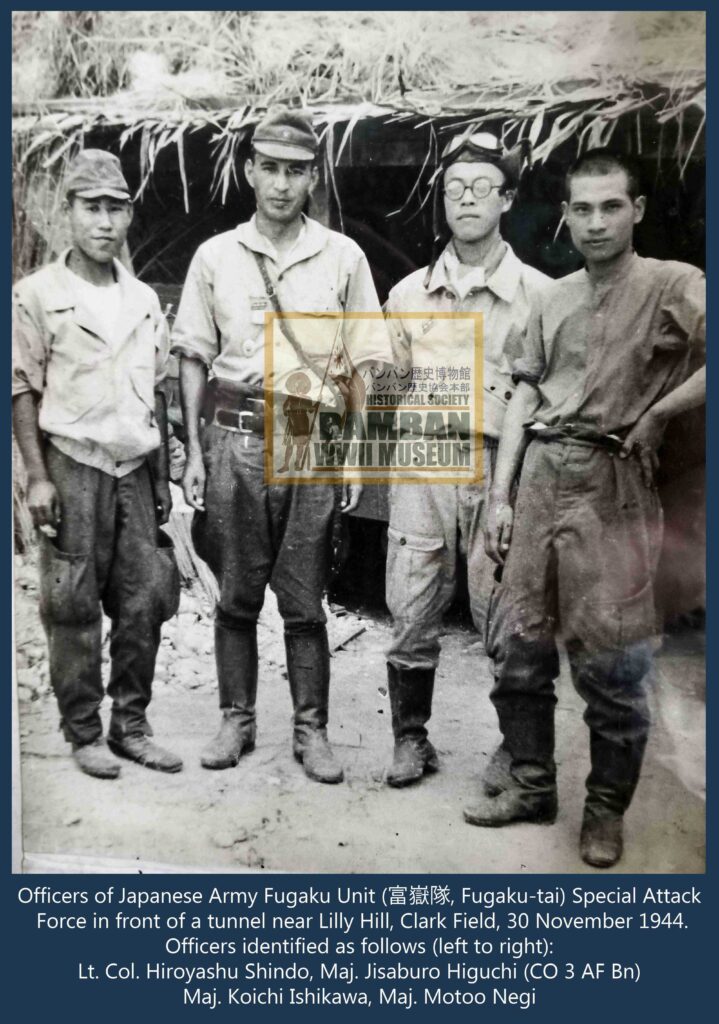
By early January 1945, the last of the Japanese Navy’s Kamikaze A6M Zero took off on the 6th nearby Mabalacat Airfield. The Imperial Japanese Army’s Fugaku Unit of the Special Attack Corps moved to Clark North Airfield in December 1944, and used Lilly Hill, with the tunnels as shelter and headquarters.
Battle for Clark Field and the Japanese War Tunnels クラーク飛行場と日本軍の戦争トンネルを巡る戦い
With the attack of American forces in late January 1945 by the 129th Infantry, 37th Division at Lilly Hill, Major Higuchi defended the hill, until it became untenable and the 31st Airfield Bn moved further to the rear, in the vicinity of Top of the World (present D’Heights, Clark), for the final stand at Clark Field (proper).
With the post-WWII rehabilitation of Clark Field, the tunnels and curved-out revetments of Lilly Hill were closed, the latter were bulldozed. A couple of decades later, the remaining tunnels were hidden with the growth of vegetation, as trees, bananas and shrubberies had taken the former Japanese fortress.
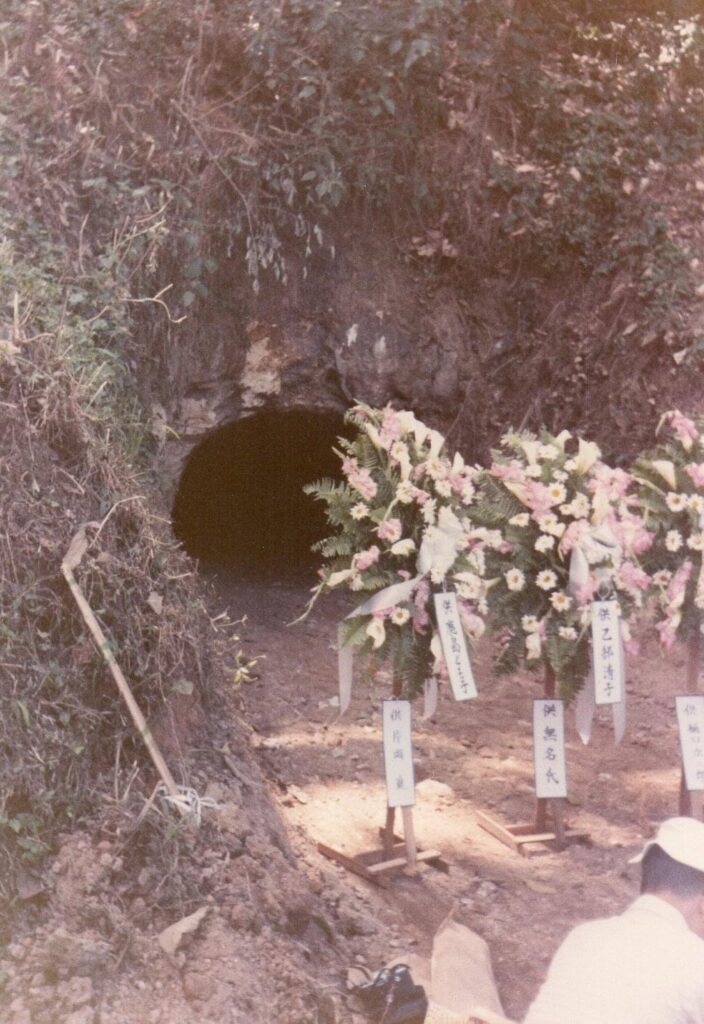
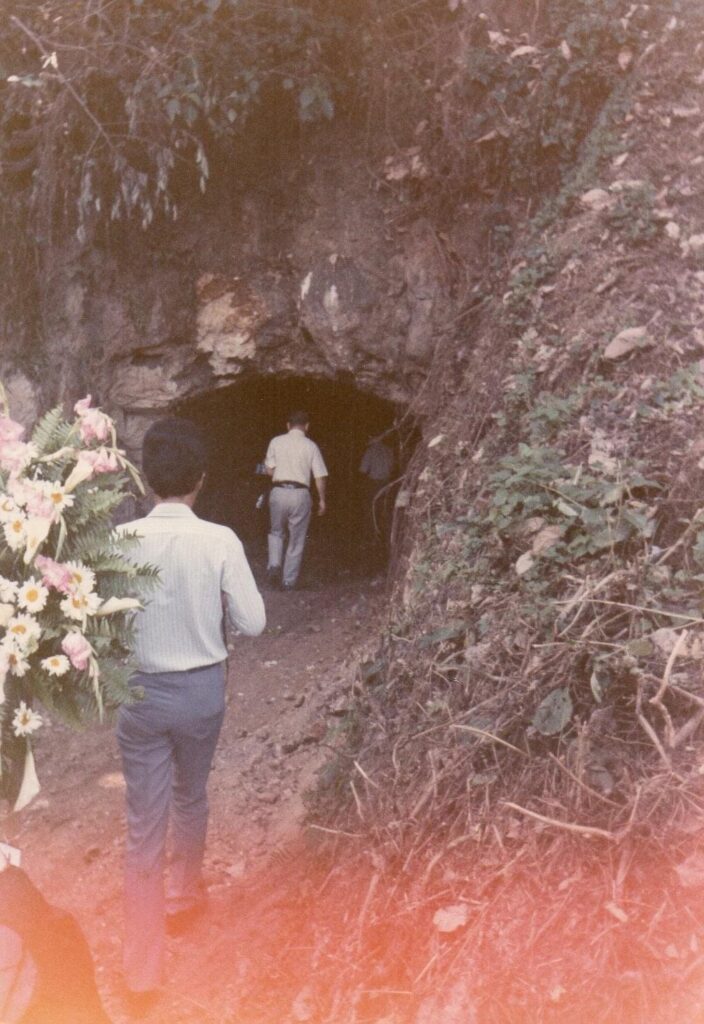
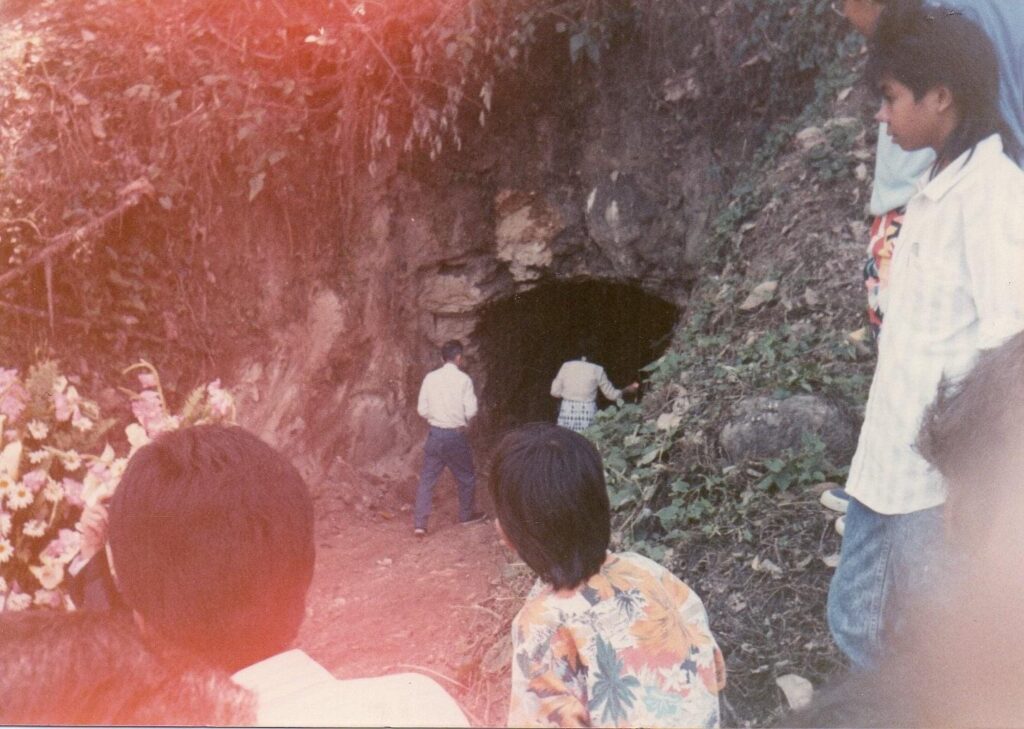
Sentimental Visits of Survivors 生存者たちの感傷的な訪問
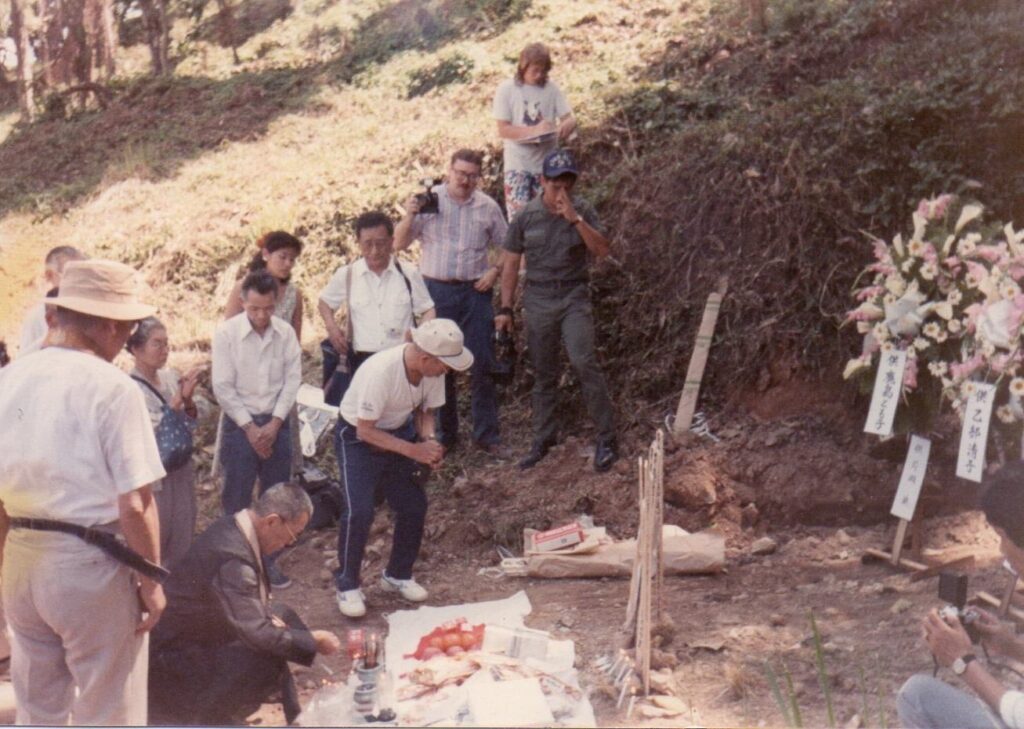
In the 1980’s survivors of Major Higuchi’s 31st Airfield Battalion made several visits to the former airfield and at Lilly Hill, collecting remains of their comrades and conducting memorial service to the Japanese War Dead. Major Higuchi, who survived the Battle for Clark Field and Bamban Hills, along with the survivors of the Higuchi 31st Airfield Battalion, took part in the several ceremonies held in the 1980s.
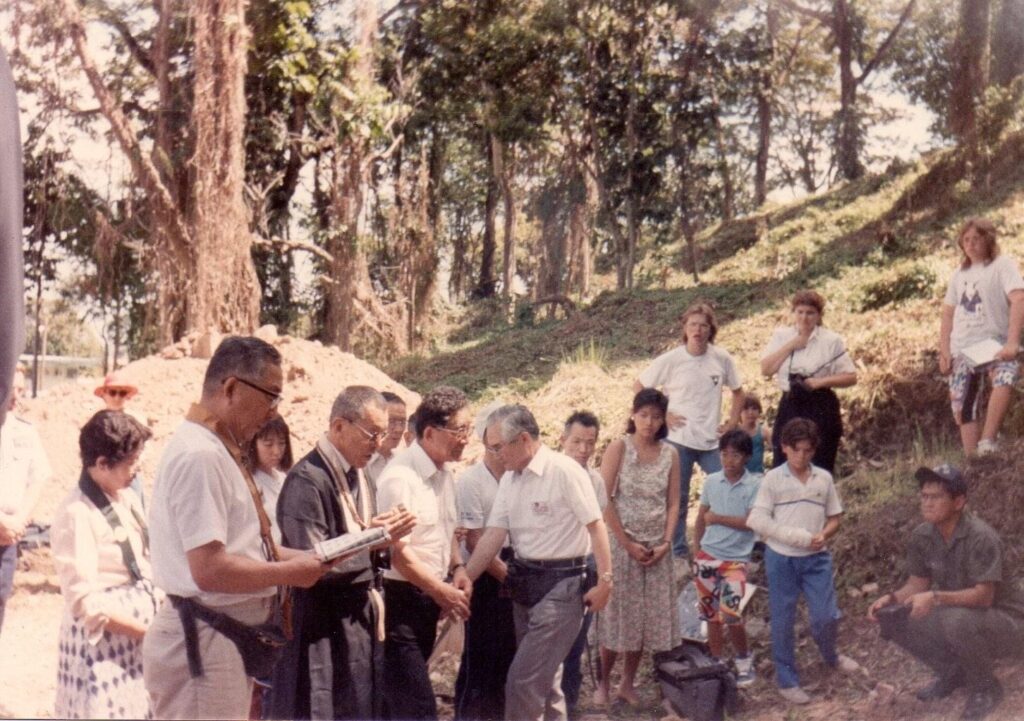
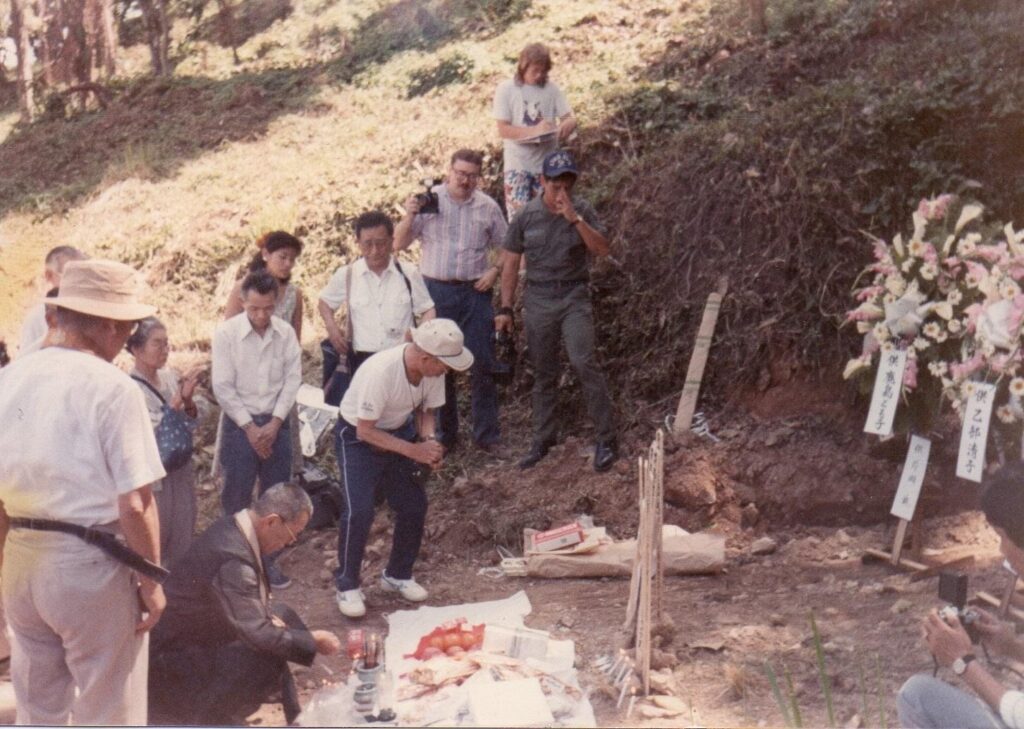
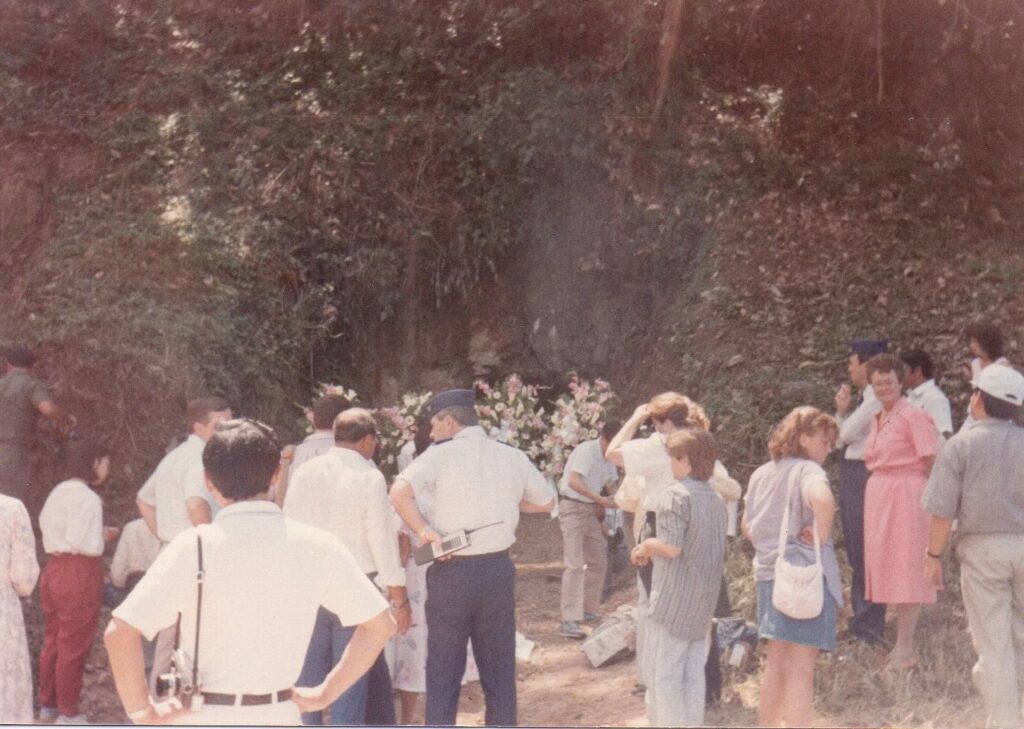
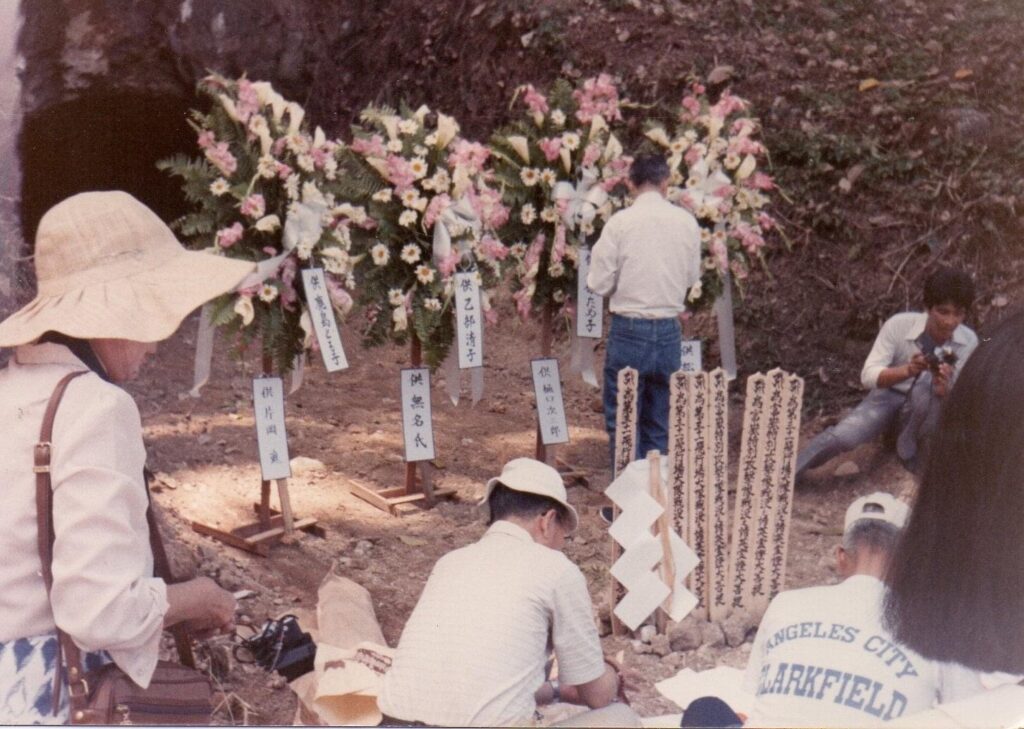
Americans Attending Japanese Ceremony 日本人式典に出席するアメリカ人
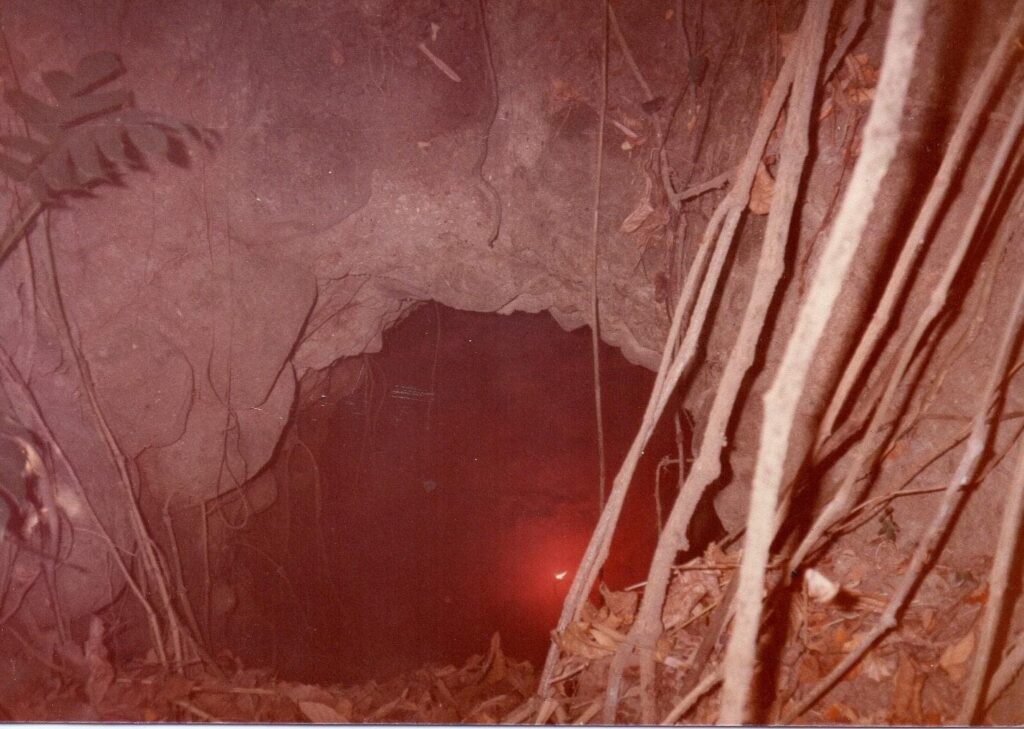
Pete Zetteck, a good friend of mine who worked during the 1980s at Clark Field as an U.S. Air Force personnel, personally witnessed these Japanese memorial services to the War Dead. The photographs he took shows the ceremony and the remaining Japanese WWII tunnels at Lilly Hill.
These tunnels were constructed with iron gates to prevent locals from coming inside and control the collecting of WWII-era bombs, grenades and bullets that posed danger to public safety.
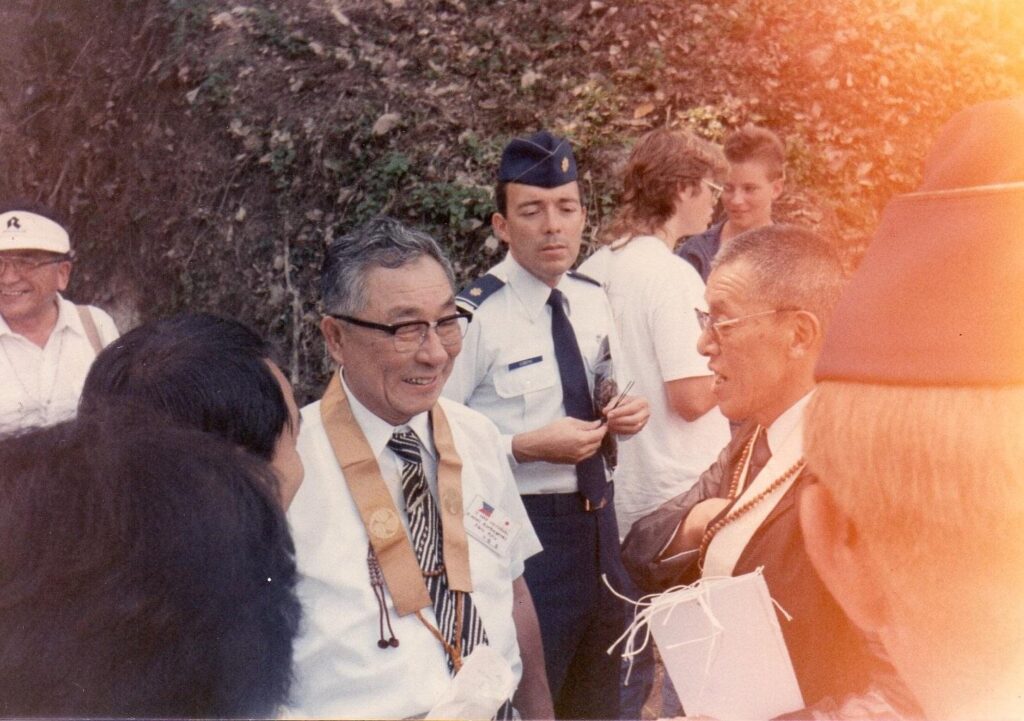
With the eruption of Mt. Pinatubo and the closure of Clark Air Base in 1991-1992, the few remaining Japanese tunnels of M201 Granite Hill were permanently closed. Clark Development Corporation took over the management of the former American base in the aftermath.
The Japanese WWII Tunnels, sealed in the passage of time, forgotten in memory and waiting to be discovered.
Citation:
(1) Hiroyuki Mizaguchi, Jungle of No Mercy.
(2) Organization of the IJA 4th Air Army – 1944.