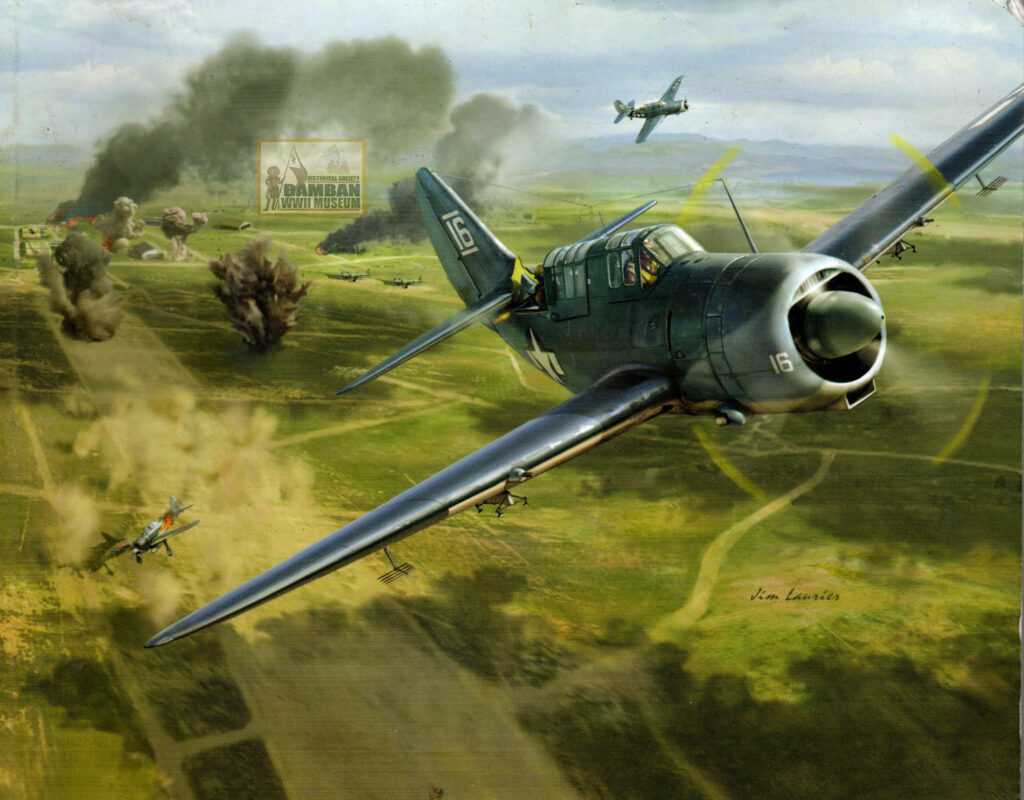
Source: Air Campaign Philippines 1944 – 3rd Fleet First Victory over
Japanese Land-Based Air Power, Illustrated by Jim Laurier.
INVESTIGATING HISTORY
September 21, 1944: US NAVY TASK FORCE 38 FIRST STRIKE ON CLARK AIR CENTER
The beginning of September 1944 was another important milestone on the advance to the Philippines in the aftermath of the Mariana Turkey Shoot (Battle of Philippine Sea) in June. The first 2 weeks of September 1944, Admiral Halsey’s Fast Carrier Task Force; Task Force 38 conducted massive air combat operations against Japanese airfields in Davao, Mindanao Island and the Central Philippines (Visayan Islands).
Admiral William Halsey, in command of the Third Fleet, was tasked to support General Douglas MacArthur’s landings in Leyte with the amphibious landings to be carried by the US Seventh Fleet. Allied Intelligence estimated that the Japanese Army and Navy had 531 aircraft based in Luzon Island, with 300 single-engine and twin-engine bombers.
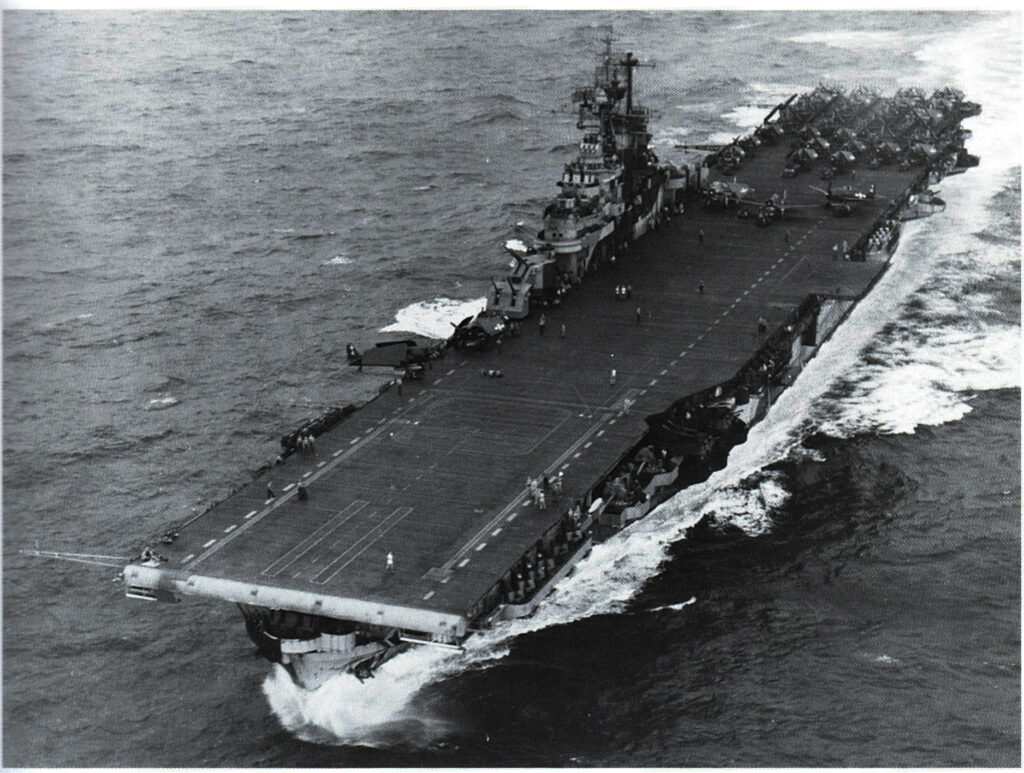
on the strike at Clark Air Center on September 21, 1944.
Part of the Japanese Army and Navy assets scattered in Luzon where the airfields around the original Clark Field, about 30 miles north of Manila and the newly established airfields in the surrounding towns of Bamban, Mabalacat, Angeles, Porac and Floridablanca. The airfields at the Clark District were extensive operational airbase critical in the defense of the Philippines. The airfields were also important key area for training Japanese Army and Navy pilots.
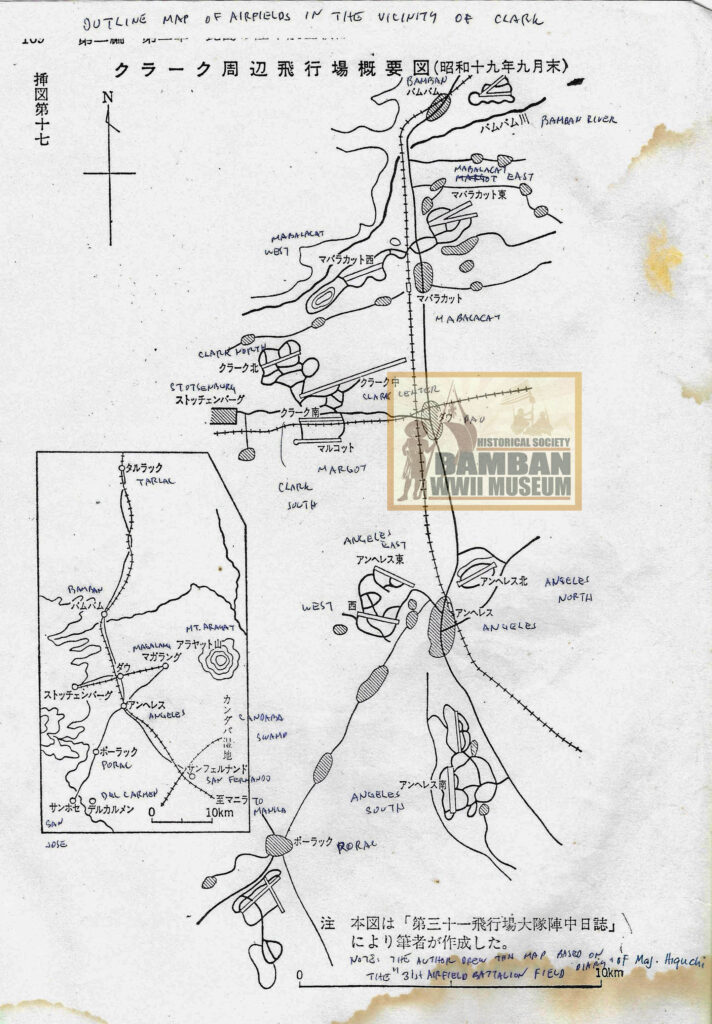
With the results of the US Navy’s Task Force 38 operations in September covering the Japanese targets in Mindanao and the Visayan Islands, where the Japanese had employed weak resistance, had made Admiral Halsey’s decision to move at an earlier date, the Leyte Operations in October. Thus, Task Force 38 designated each task group for specific sets of targets in Luzon on September 21, 1944, with the Task Force 38.2 covering the numerous airfields of the Clark Air Center.
The following comprised the US Navy Task Force 38.2 commanded by Rear Admiral Gerald F. Bogan:
-USS Intrepid (CV-11), with Carrier Air Group 18 (CVG-18)
-USS Bunker Hill (CV-17), with Carrier Air Group 8 (CVG-8)
-USS Cabot (CVL-28), with Carrier Air Group 31 (CVLG-31)
-USS Independence (CVL-22), with Carrier Air Group 41 (CVLGN-41)
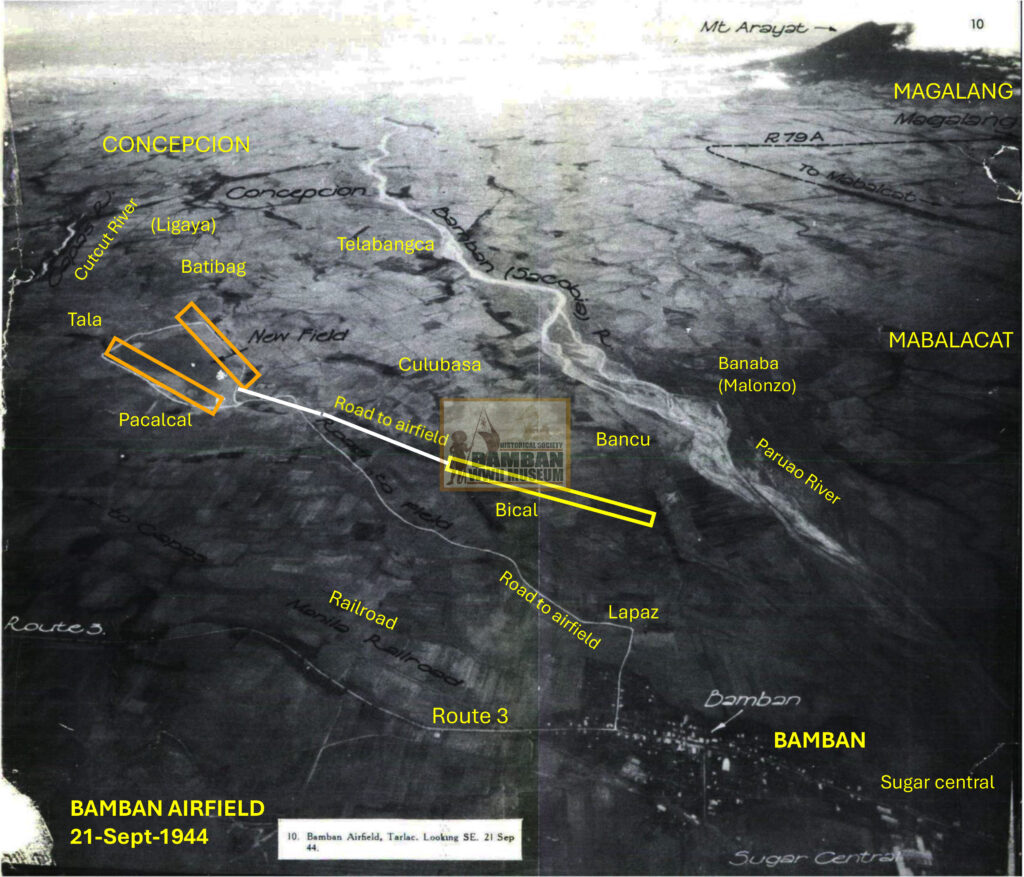
Source: Terrain Study No. 38 Lingayen Philippine Series – Allied Geographical Section.
Around Clark Field, there were 2 USAFFE guerrilla forces operating under the umbrella of the Luzon Guerrilla Force, one commanded by Captain Alfred Bruce of the South Tarlac Military District located on the immediate north and west of the Clark Proper, while Captain Henry Clay Conner, commanding the Squadron 155, had its sphere of operations on the south and southwest of the airfield. Both Captains Bruce and Conner were able to witness the arrival of hundreds of Grumman F6F-5s, TBM-3 Avengers and Curtiss SB2C-3 Helldivers and conducted the first air operations on Japanese targets around Clark Air Center.
On the morning of September 21, 1945, the Bomber Squadron 8 (VB-8) using Curtiss SB2C-3 Helldiver from the USS Buner Hill (CV-17), took the honor of conducting the first attack on Clark Field, led by Lieutenant Commander JD Arbes with 5 Helldivers in a low-level attack. This bomber attack targeted buildings, parked aircraft and strafing with the 20-mm cannon and .30 caliber machine guns.
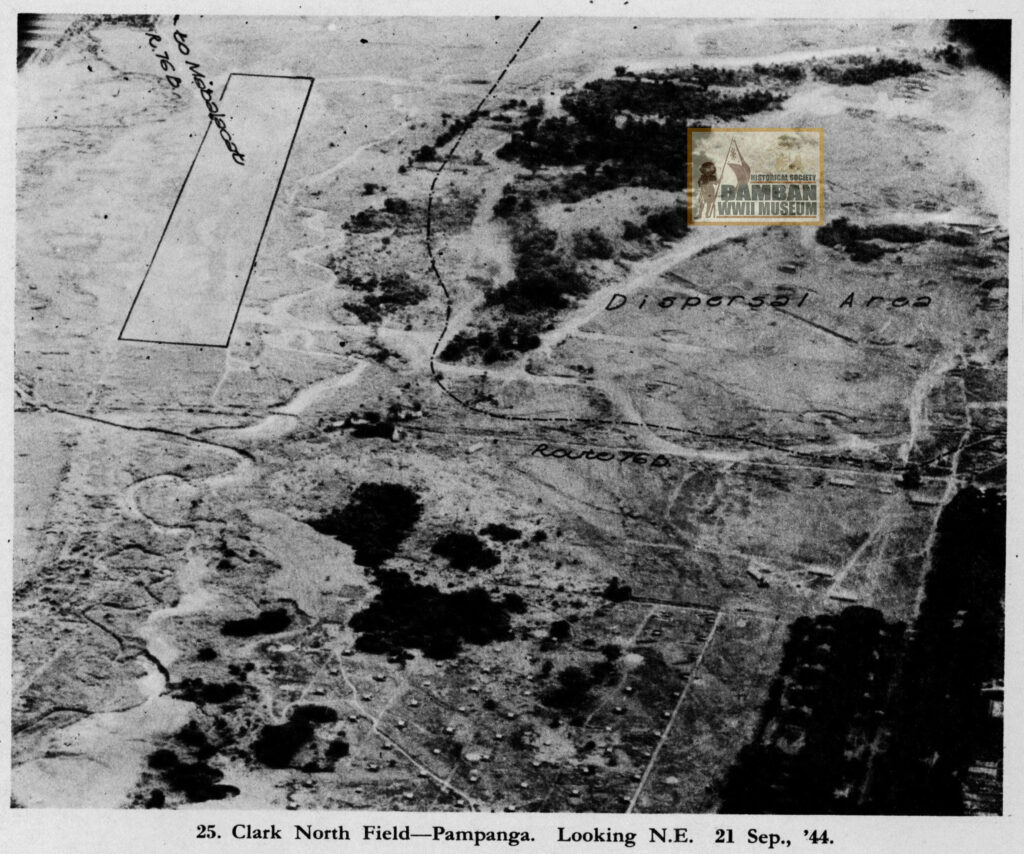
Source: Terrain Study No. 38 Lingayen Philippine Series – Allied Geographical Section
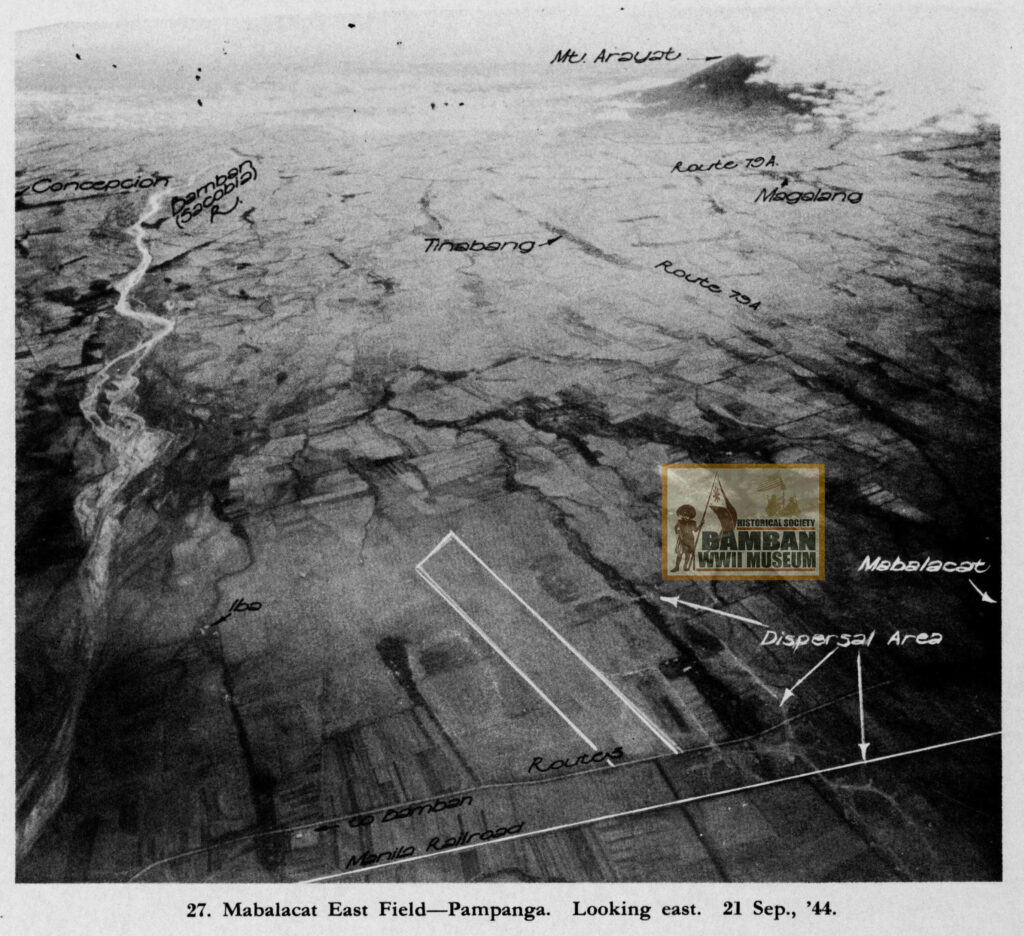
Other air groups from the carriers USS Intrepid, Bunker Hill, Cabot and Independence from the Task Force 38.2 conducted similar fighter sweeps and bombing attacks on various airfields of the Bamban, the Mabalacat, Clark Proper, Angeles, Porac and Floridablanca. Similarly, photographic reconnaissance from Grumman F6F-3P/5P were conducted in the course of the air operations on Clark Air Center, where for the first time, aerial photographs were able to produce showing with details of the Japanese airfields.
Source: Terrain Study No. 38 Lingayen Philippine Series – Allied Geographical Section.
As typical combat operations procedures, the fighter sweeps by the Grumman F6F-5 were carried first, then followed the attack by the Helldivers and Avengers on Japanese targets. The fighter sweeps and attacks were carried on several strikes from morning till afternoon, hitting targets on the buildings, hangars and airstrips.
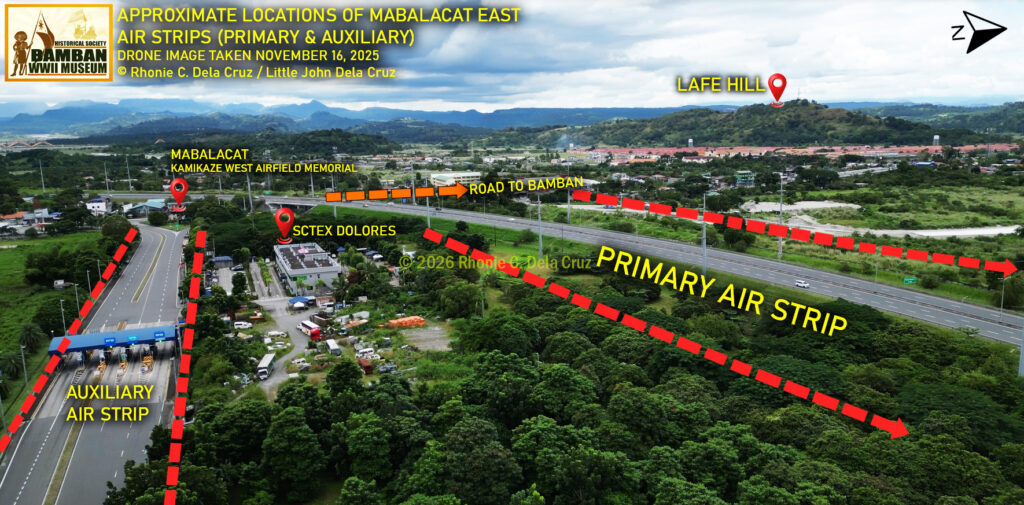
However, the Imperial Japanese Navy 1st Air Fleet were able to send fighter interceptors, with the Air Group 201 based at the Mabalacat where 42 A6M Zeroes sortied for dogfights. Many more A6M Zeroes were sent for air intercept missions, losing around 20 fighters at the end of the day. The Imperial Japanese Army’s 2nd Division ordered the 17th and the 19th Fighter Regiment (Hiko Sentai), with Kawasaki Ki-61 Hien “Tony”, Army Type 3 Fighter, based at the Angeles Airfields, where 10 pilots where lost in the air intercept battles.
Source: Terrain Study No. 38 Lingayen Philippine Series – Allied Geographical Section.
More aircraft were also lost on the ground due to strafing. The damages brought by the fighter sweeps and strike at Clark Field led to the disruptions on the preparations being made for the defense of the Philippine Garrison, the Sho-Ichi-Go (Victory) Operations.
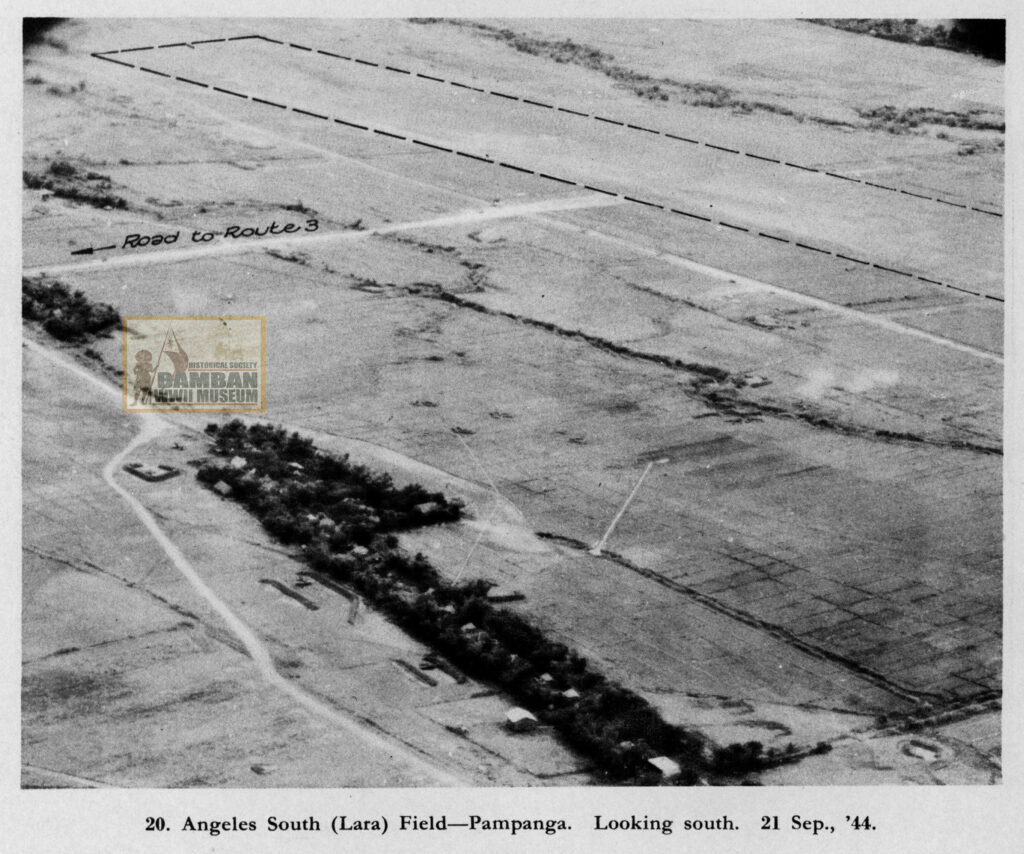
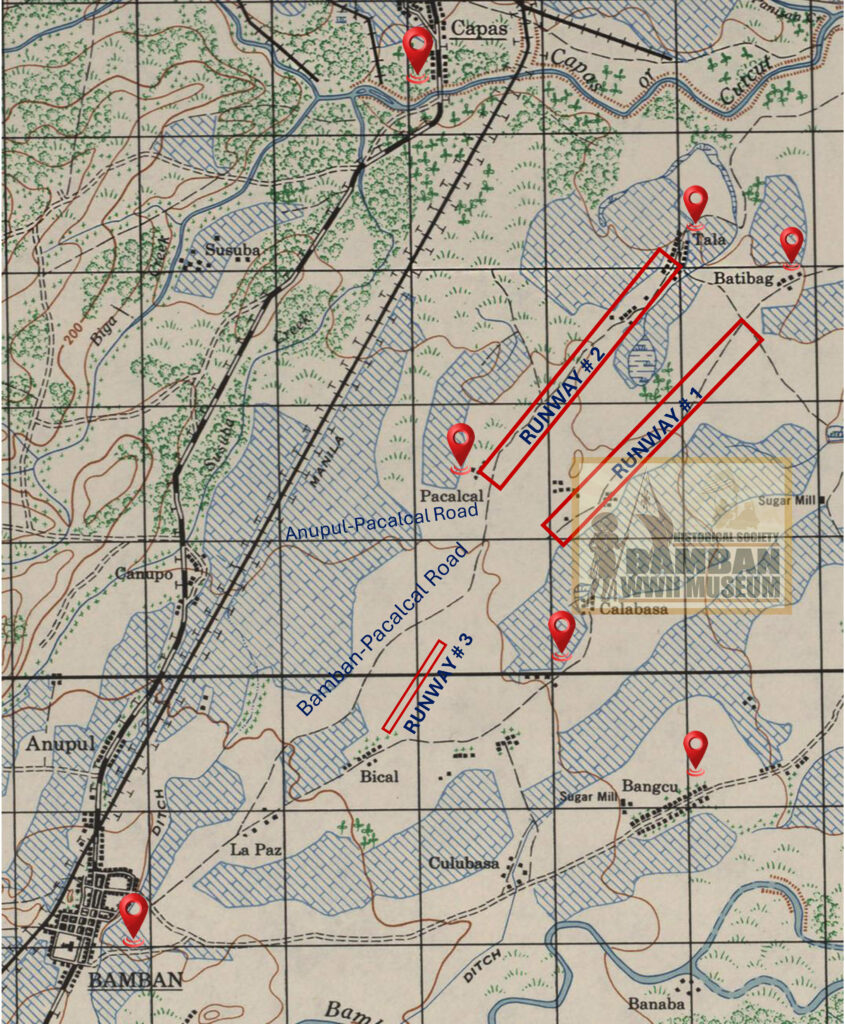
The following aerial photographs of the Bamban, Mabalacat, Clark No. 3 Airfield and Angeles South Lara Airfield were taken on September 21, 1944 during the strikes at Clark Air Center by the Grumman F6F-3P/5P reconnaissance version of the Helldiver, showing for the first time, the extent of coverage of the Japanese airfields. It would be the beginning of the Air War over Clark Field, the first day of strike that would be carried day and night that the Japanese Army and Navy would fight until January 1945.
© 2026 Rhonie C. Dela Cruz
Bamban WWII Museum/Historical Society
Bamban Center for Pacific War Studies
WWII Remembrance Network – Hell Ships Memorial Foundation
PGT – Tarlac Provincial Tourism Office
Citation:
(1) Edward M. Young, Air Campaign Philippines 1944 – 3rd Fleet First Victory over Japanese Land-Based Air Power, Illustrated by Jim Laurier (New York, Osprey Publishing, 2024).
(2) Terrain Study No. 38 Lingayen Philippine Series – Allied Geographical Section. File 3607, Box 1472, Entry 1111. Philippine Archives Collection, Record Group 407, National Archives, College Park, Maryland.