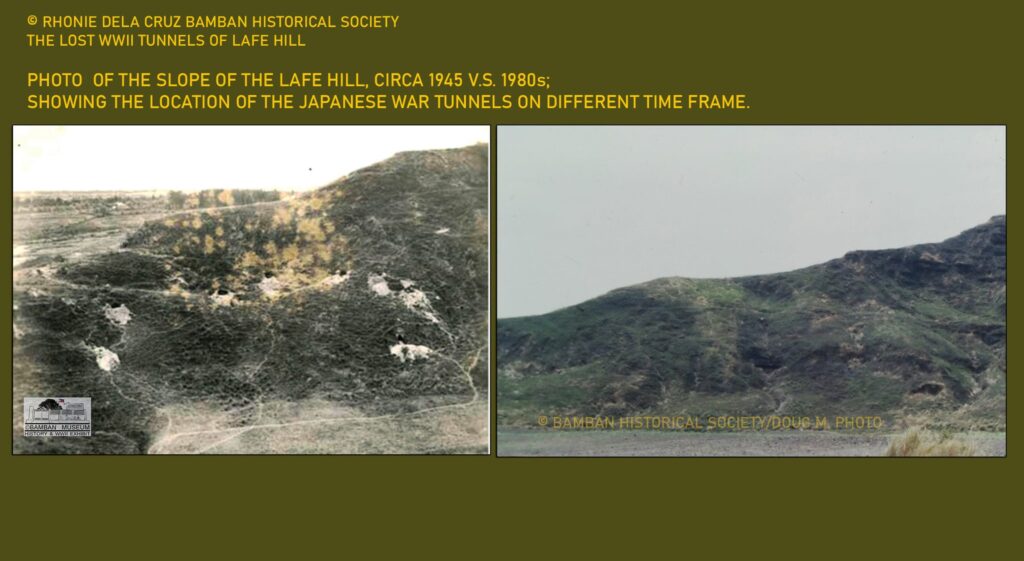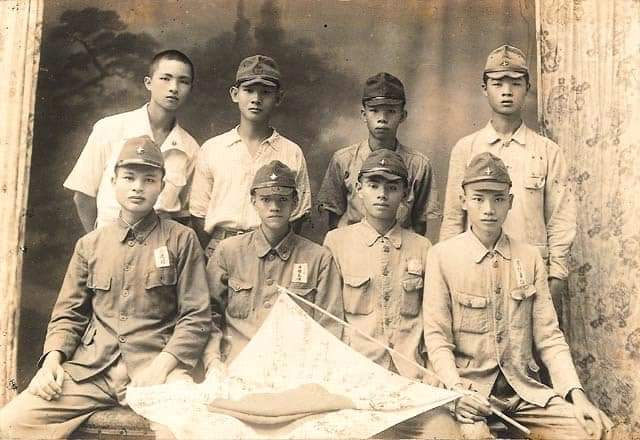
former WWII battlefields of the Asahiyama, Bamban Hills.
Rhonie Dela Cruz Photo
Bamban WWII Battlefield Archeology
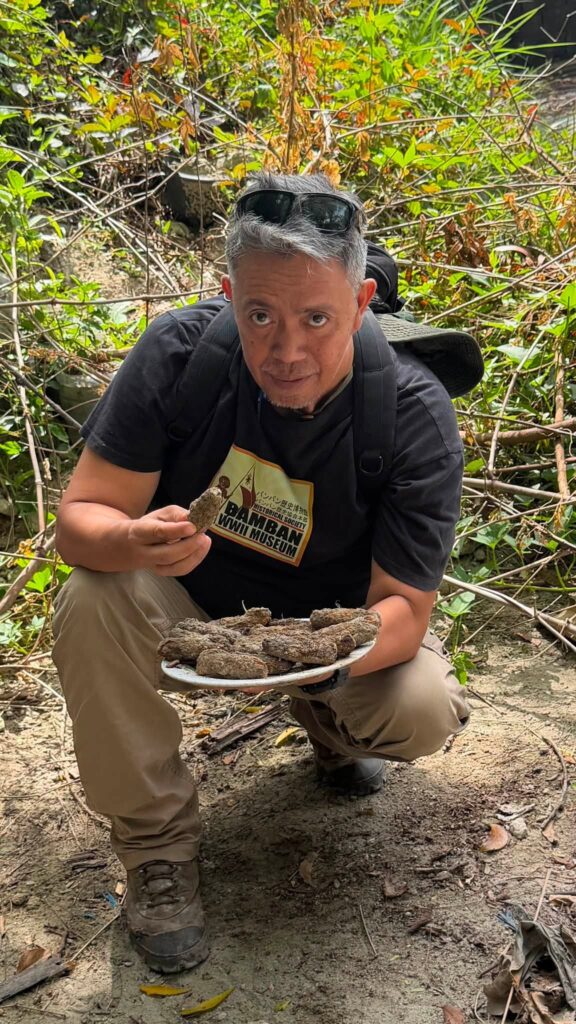
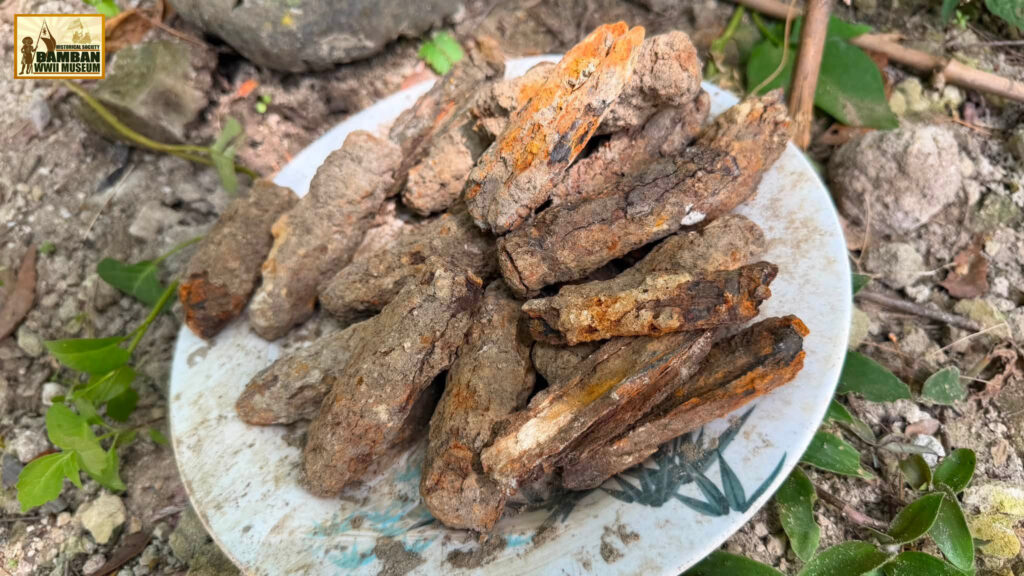
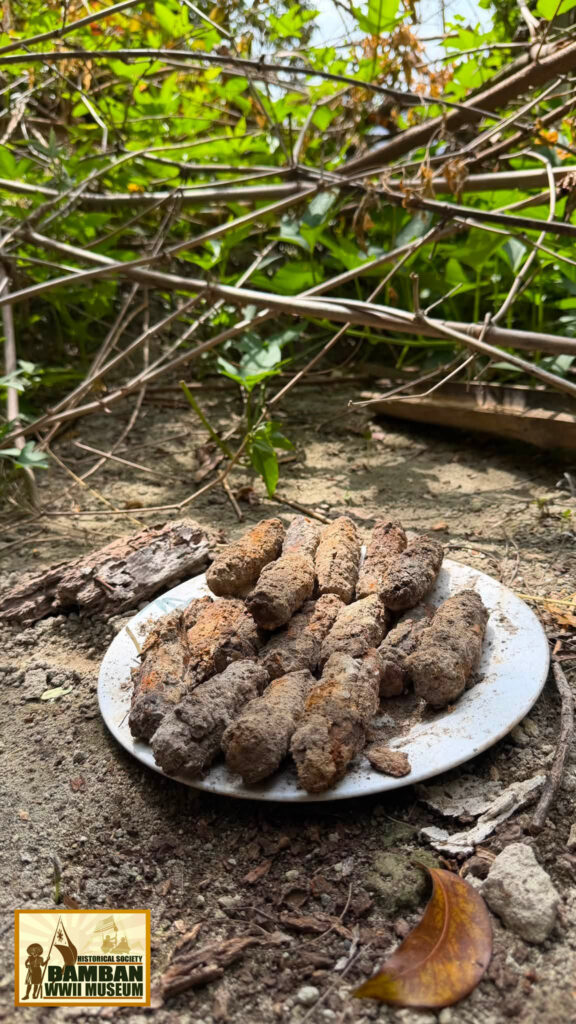
RELICS OF WWII AND THE BATTLE OF BAMBAN HILLS 1945: 20-mm and 25-mm Projectiles (Inert).
バンバン山にある大東亜戦争の遺物
Relics of 25-millimeter and 20-millimeter Cannon Projectiles – 20ミリおよび20ミリ機関砲用弾薬
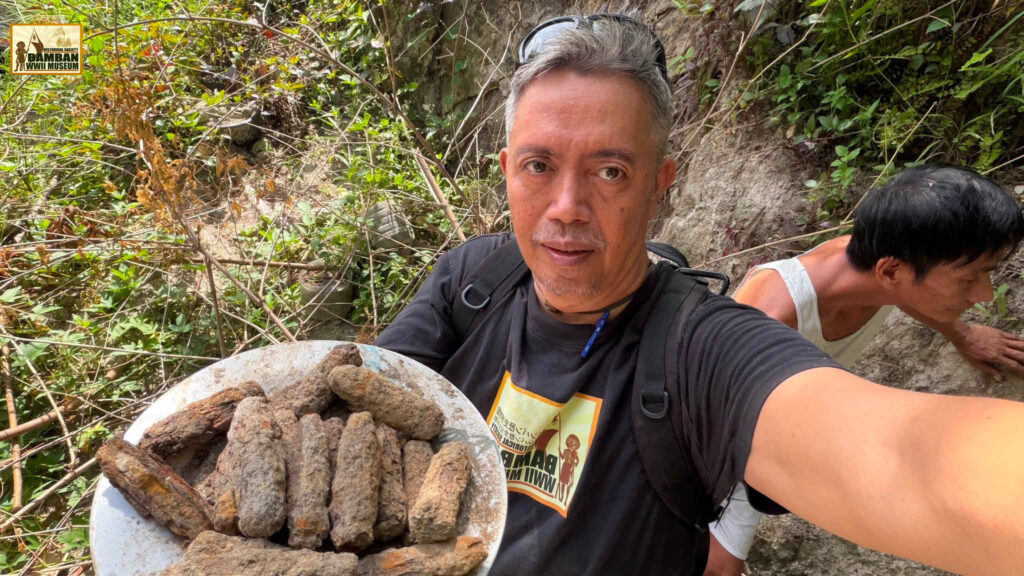
The former WWII battlefields of the Bamban, site of the Kembu Group Takayama Detachment overlooking the town and the highway, still yields relics of war more than 80 years since the war ended in 1945.At the base slope of the Asahiyama West Hill, locals who lived near entrances of Japanese WWII tunnels still find such relics including these 25-mm and 20-mm projectiles scattered on the former battlefield . Japanese tunnels dug and used by the Hoshino Battalion, Takayama Detachment still survive war and volcanic eruptions although 80 to 85 % are now sealed off due to soil erosion and ravage of war like direct artillery bombing that led to the collapsed of the tunnel entrance.
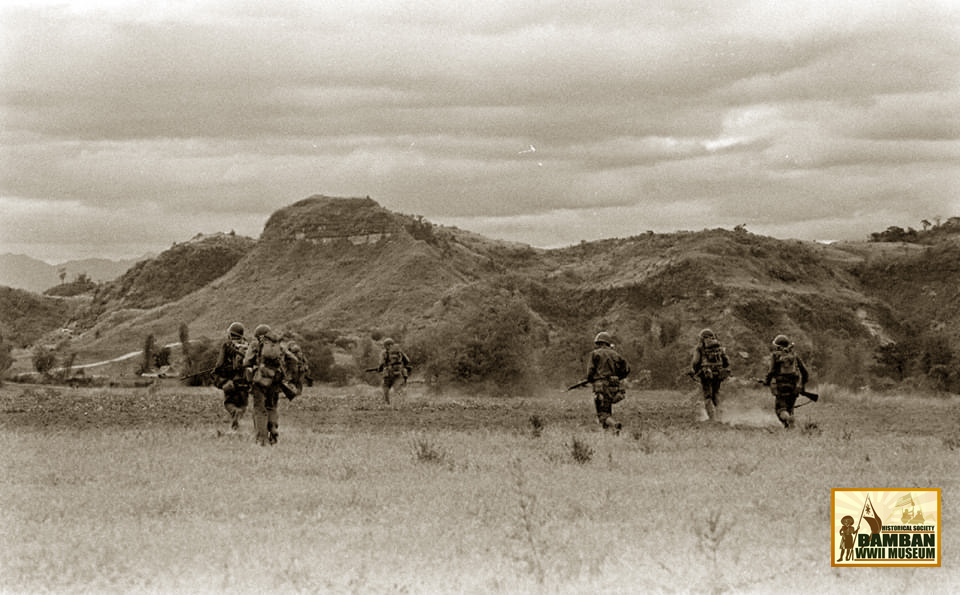
Carl Mydans Photo
Asahiyama: Battlefields and Tragic Memory of WWII – 旭山:大東亜戦争の戦場と悲劇の記憶
This morning , we went to the West Hill of the Asahiyama, on a field reconnaissance of our battlefield survey and found these relics with the help of the owner of the land, which happened to be an acquaintance. The owner shared their stories of finding numerous artifacts and relics of WWII around their area since moving on the slope of the Asahiyama, where heaving fighting occurred between the Japanese Hoshino Battalion and the Takayama Detachment and the US Army 40th Division in late January 1945.
The Hoshino Battalion and Units of Automatic Cannons – 星野大隊および機関砲部隊
Going back to the History of WWII in the Bamban, the Asahiyama was defended by the elements of the Hoshino Battalion, Takayama Detachment, where units from the Special Machine Cannon and the 25th Independent Anti-Tank Automatic Cannon Battalion and the 12th Machine Cannon Unit were deployed in the area of the Takayama Detachment, including the area of the Asahiyama. Major Hoshino, supported by the Takayama Detachment automatic cannon units, engaged the American 3rd Battalion, 160th Infantry, 40th Division US Army starting January 23, 1945 until the end of the month in a brutal fighting with the Japanese using the tunnel defense system.
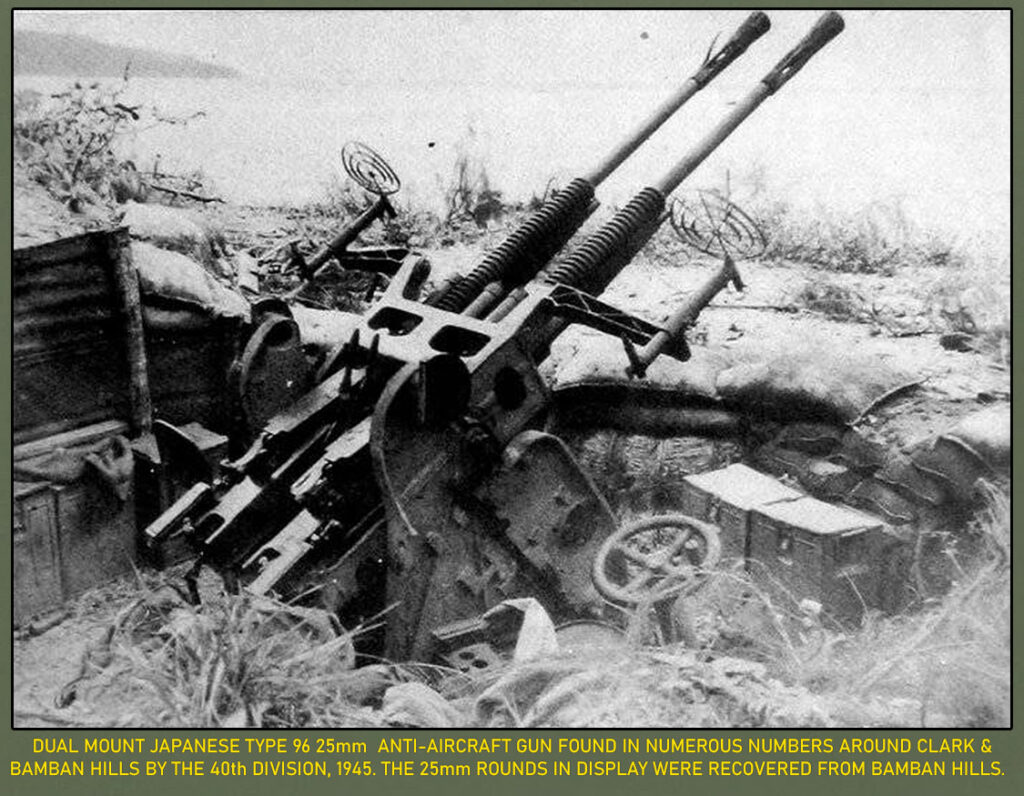
Types of Automatic Cannons Used By Takayama Detachment in Bamban Hills – バンバン丘陵において高山支隊が使用した機関砲の種類
It was possible that the 20-mm cannon projectiles were used for the Type 98 20-mm anti-aircraft machine cannon converted against infantry and the Ho-5 aircraft machine cannon, which were widely used against infantry, stripped from the wrecked Japanese aircraft around the airfields of the Clark and nearby towns. For the 25-mm, there has been numerous finds of the 25-mm projectiles littered on the former battlefields of the Bamban and in 1945 which had been used by the Type 96 25-mm single, duel or triple mount; used originally for anti-aircraft but later adopted against tanks and infantry.
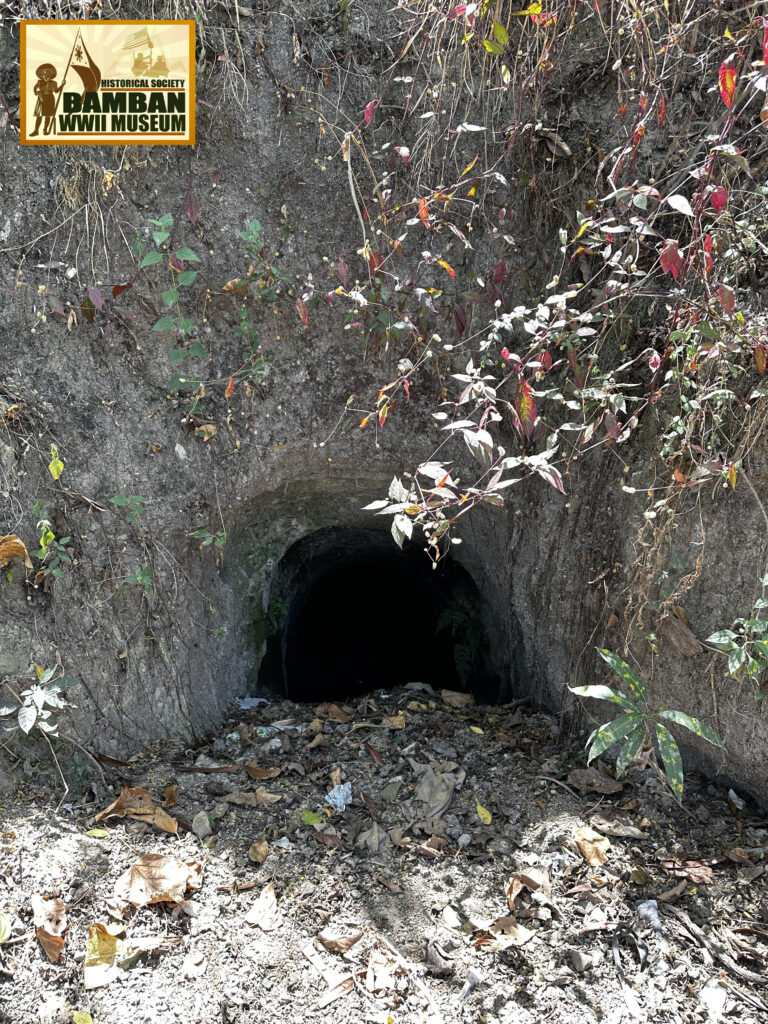
Rhonie Dela Cruz Photo
Vanishing WWII Artifacts – 消えゆく第二次世界大戦(大東亜戦争)の遺物
With the eruption of Mt. Pinatubo in 1991, the whole area of the Bamban and the Bamban Hills were dumped with layers of volcanic ash and sand deposits, with high concentration of sulfuric acid that made any metal specially iron, corroding fast and the impact shows the deterioration of the relics exposed to elements and rain water.
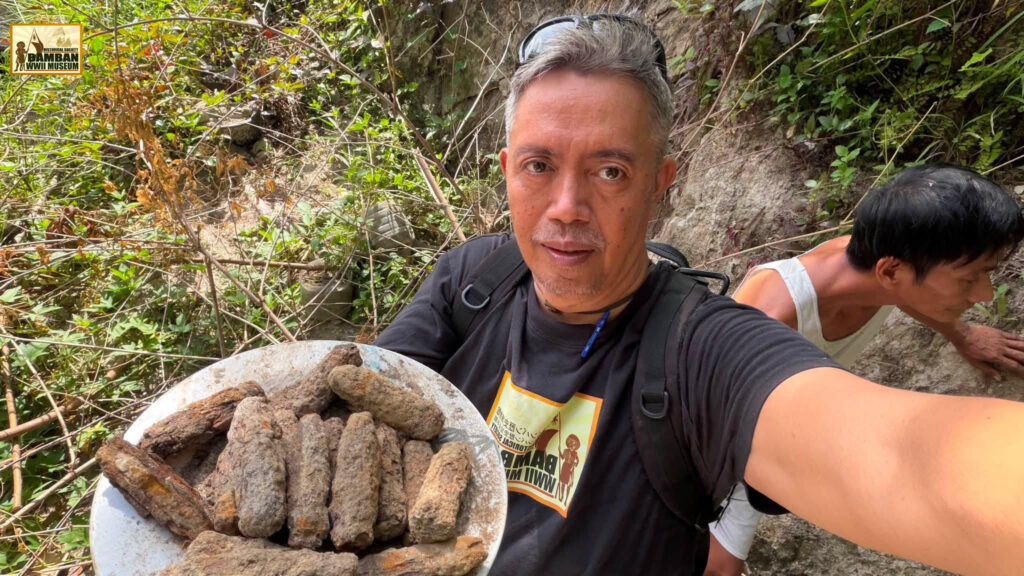
Rhonie Dela Cruz Photo
Relics as Memories of WWII – 第二次世界大戦の記憶としての遺物
Nevertheless, these relics are just a reminder of the battles fought by our grandfathers and uncles who were soldiers and members of the guerrilla forces alongside American infantry in the brutal fights against Japanese defenders of the Bamban Hills.
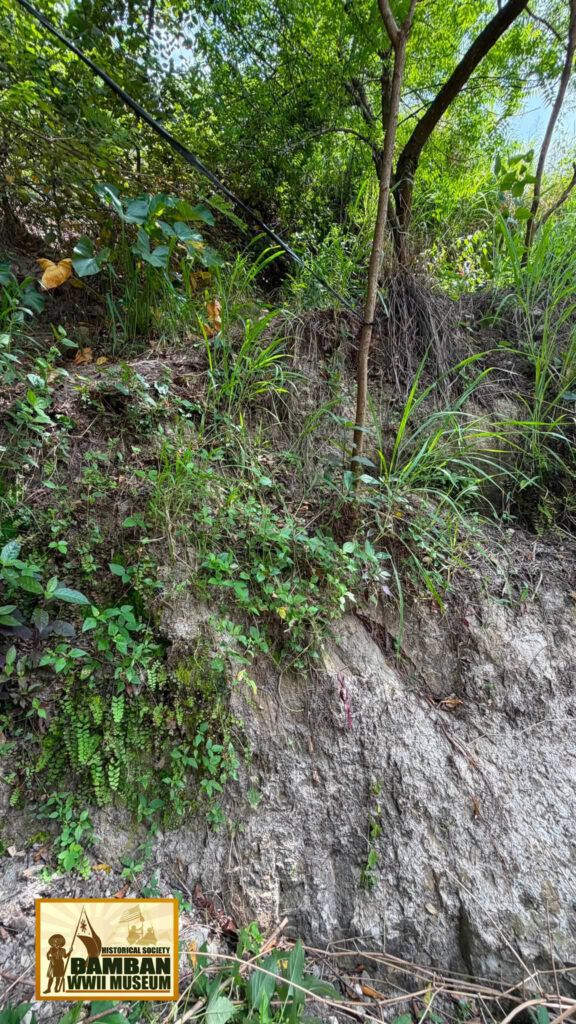
recovered just protruding on the ground.
Rhonie Dela Cruz photo.
Visit our Bamban WWII Museum for more history of the WWII in Clark-Bamban area.
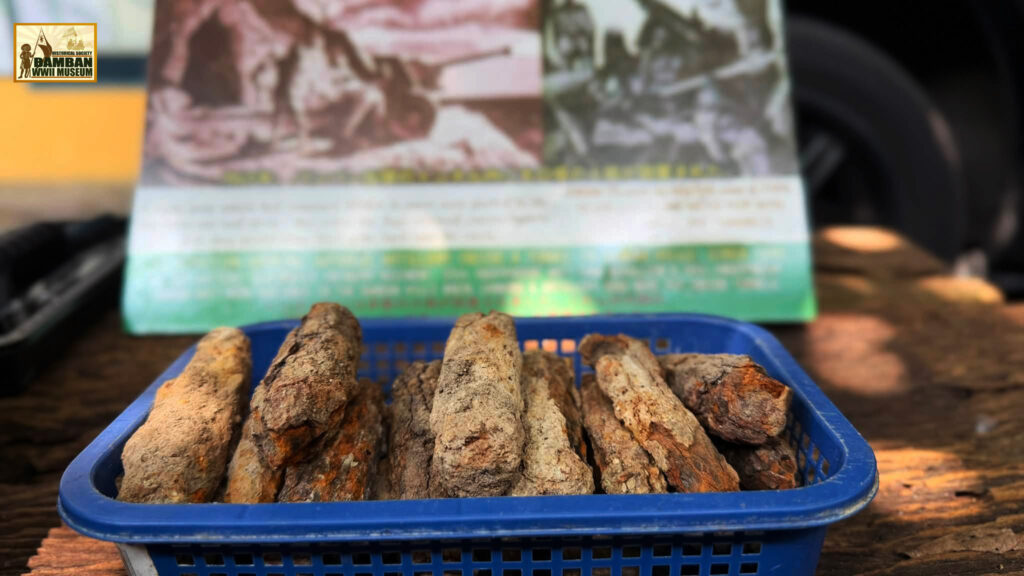
undergoing checking and study, with full of corrosion and rusts.
Rhonie Dela Cruz Photo
Copyright 2026 Rhonie C. Dela Cruz
Bamban WWII Museum/Historical Society
Bamban Center for Pacific War Studies
WWII Remembrance Network –
Hellships Memorial Foundation
PGT – Tarlac Provincial Tourism Office