IMAGES OF WWII: CLARK FIELD 1945
Japanese Wrecks at the Clark Airfields, Circa 1945
Clark Field, with its 7 airfields, became an important Japanese Air Army and Navy airbase especially in the last quarter of 1944 during the Operation Sho-Ichi-Go (Leyte). The Japanese 4th Air Army’s 2nd and 4th Air Divisions had their headquarters at Clark Field, while the Imperial Japanese Navy had the 1st and 2nd Air Fleet (later 1st Combined Air Fleet) Headquarters also at Clark; at the Bamban Asahiyama Navy HQ while the 26th Air Flotilla was at Clark Field Proper.
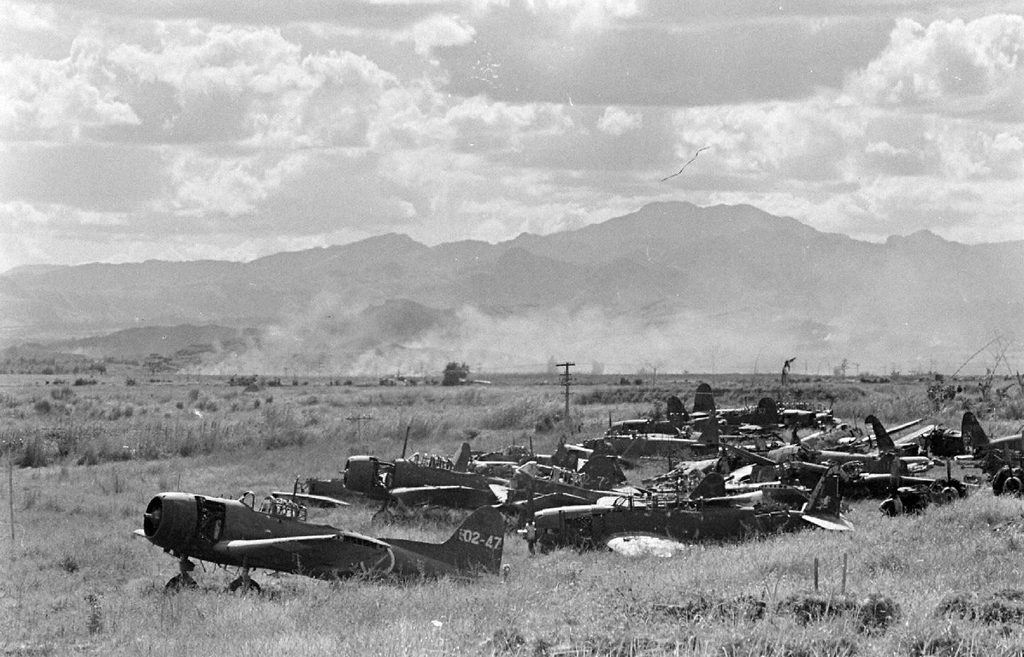
Many of the tactical organizations (air regiments and air groups) of both the Imperial Japanese 4th Air Army and the 1st Combined Air Fleet were deployed at the Clark Air Cener, conducting tactical and special attack sorties from the various airfields from Tarlac, Bamban to Mabalacat, Angeles, Porac, Floridablanca and Clark Proper.
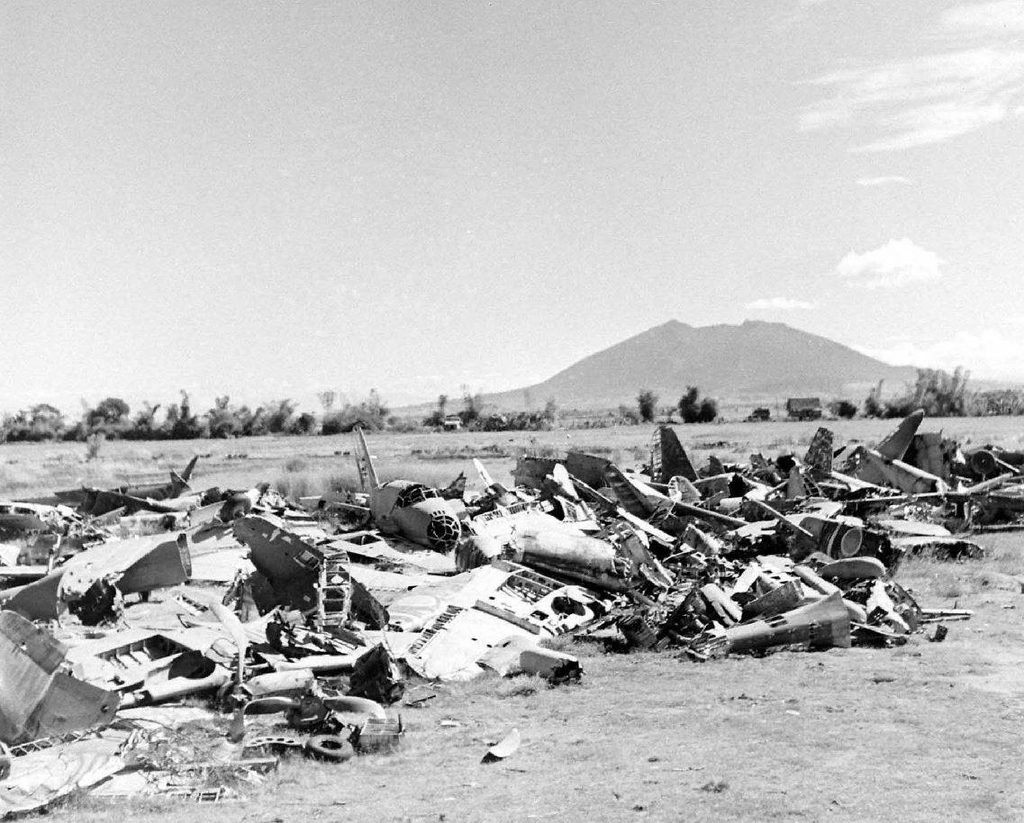
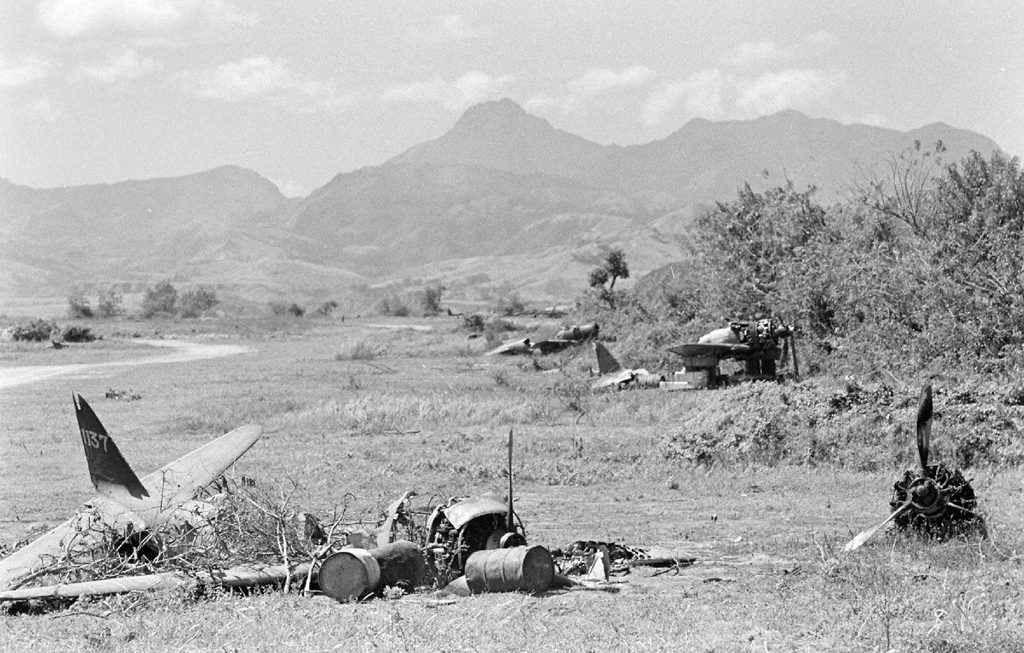
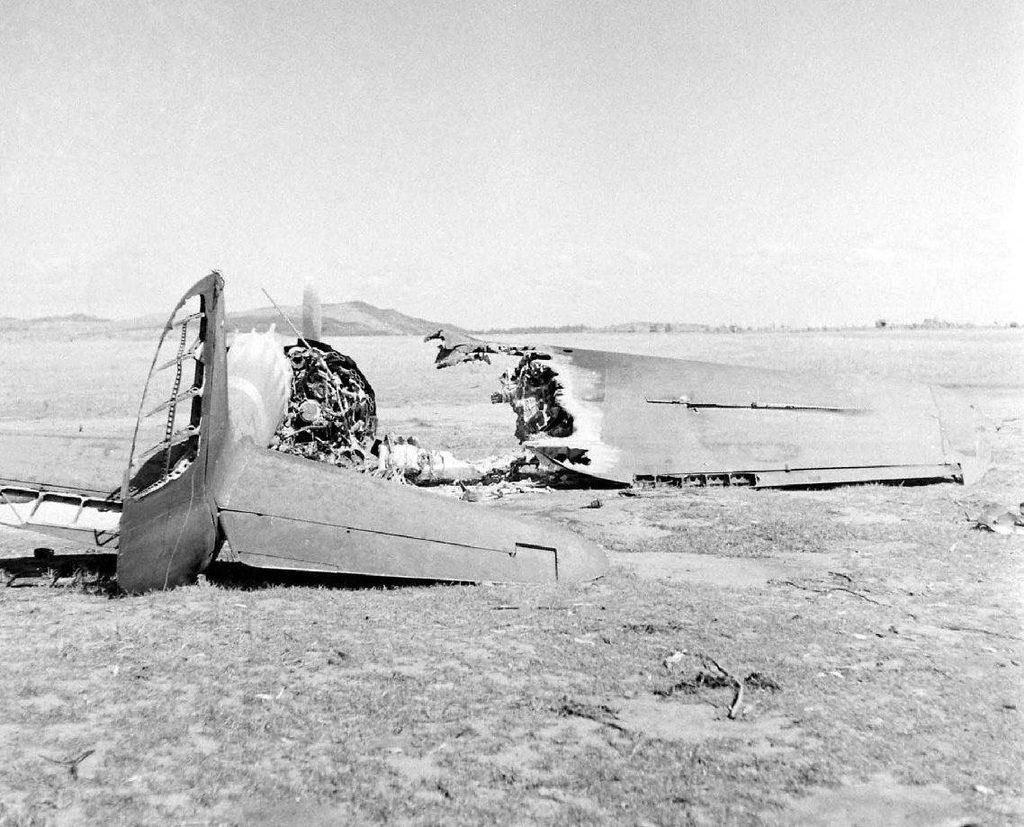
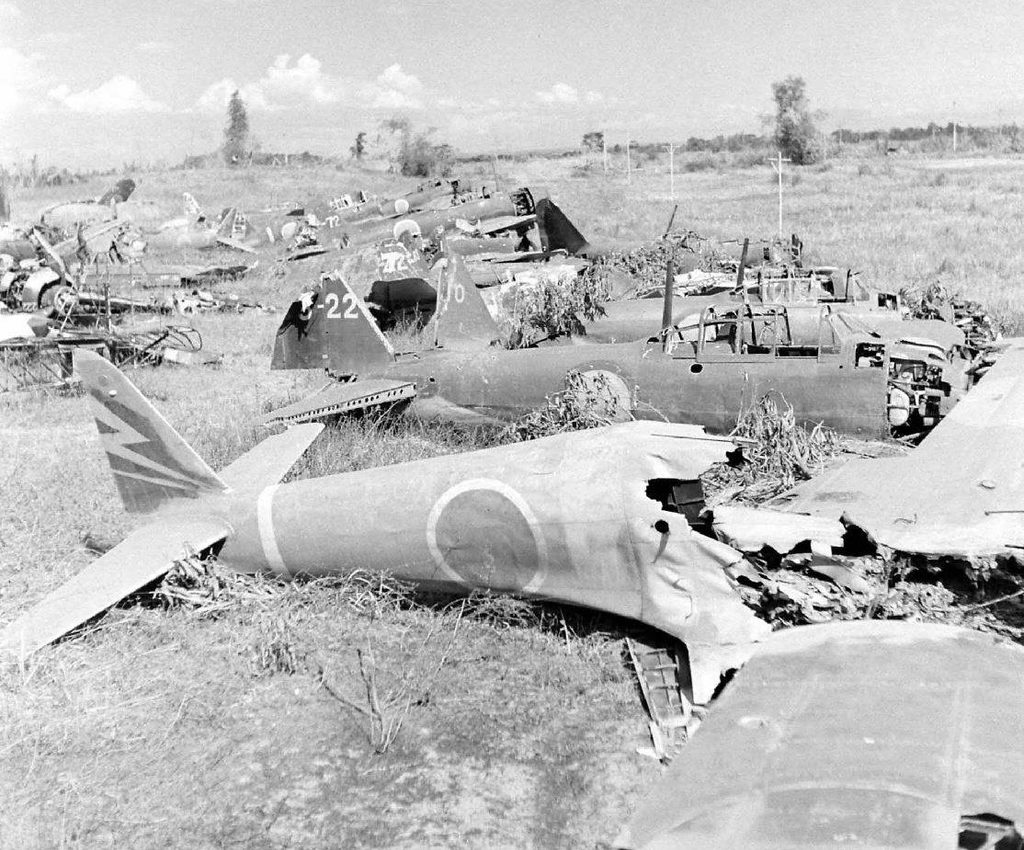
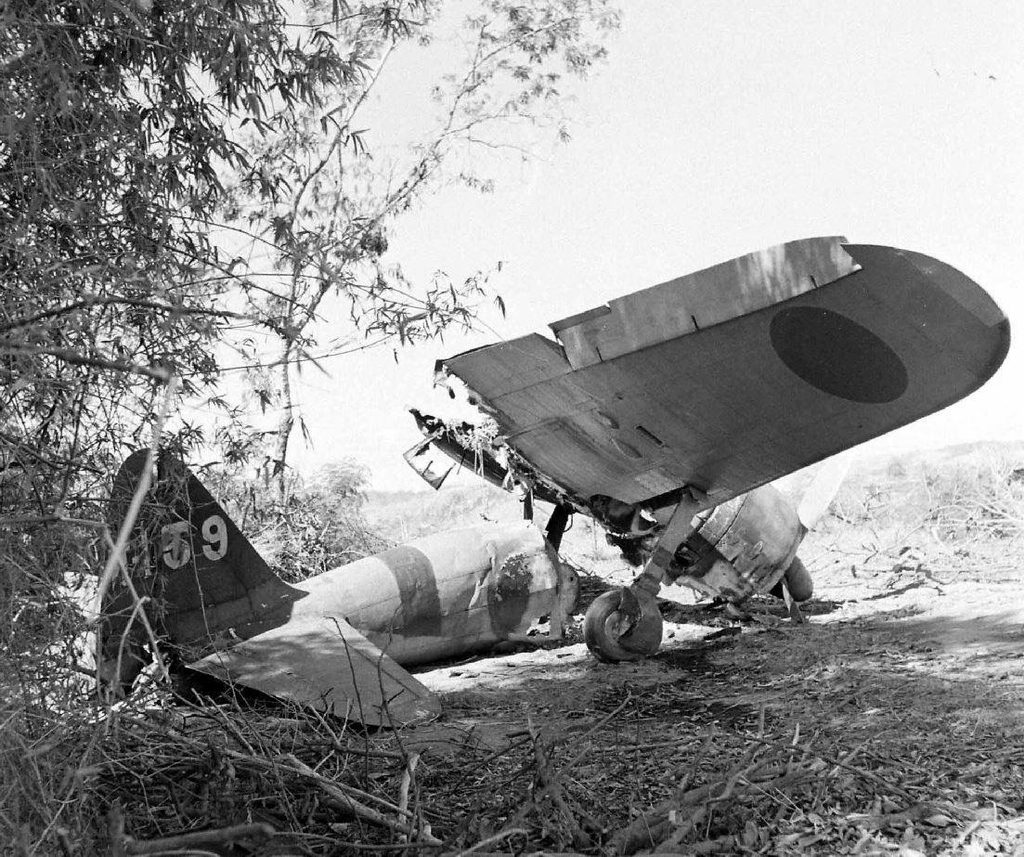
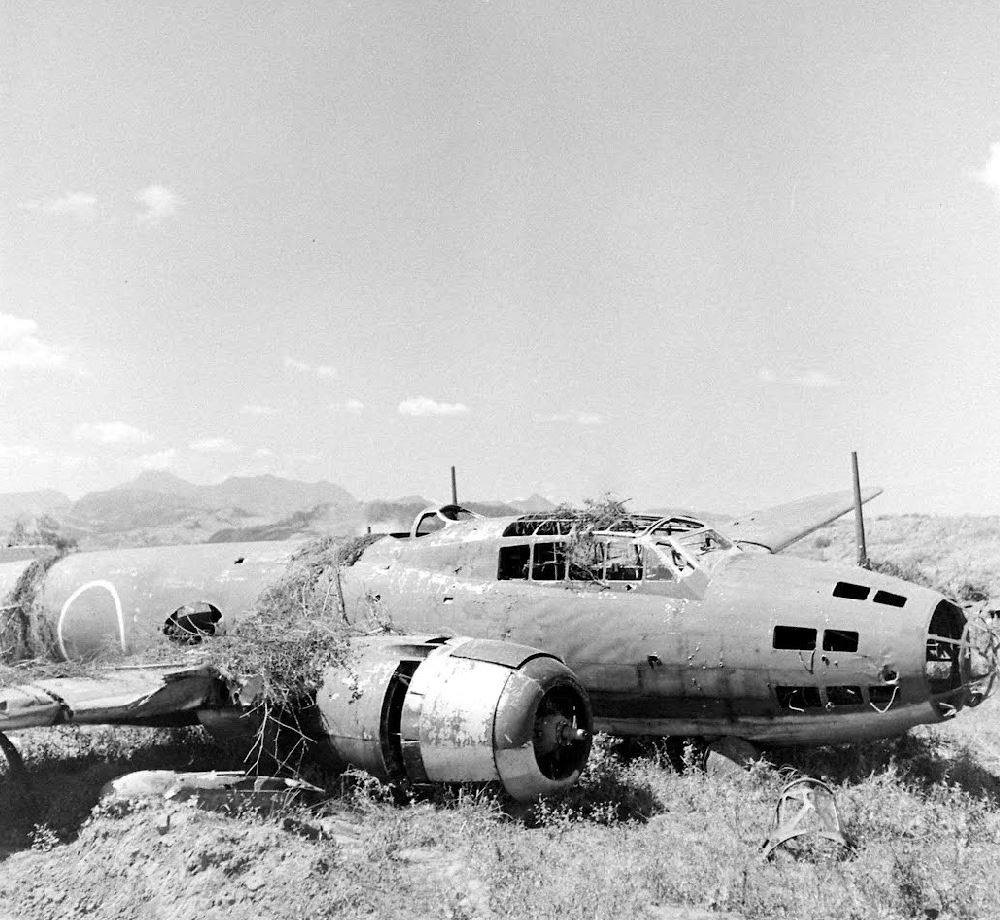
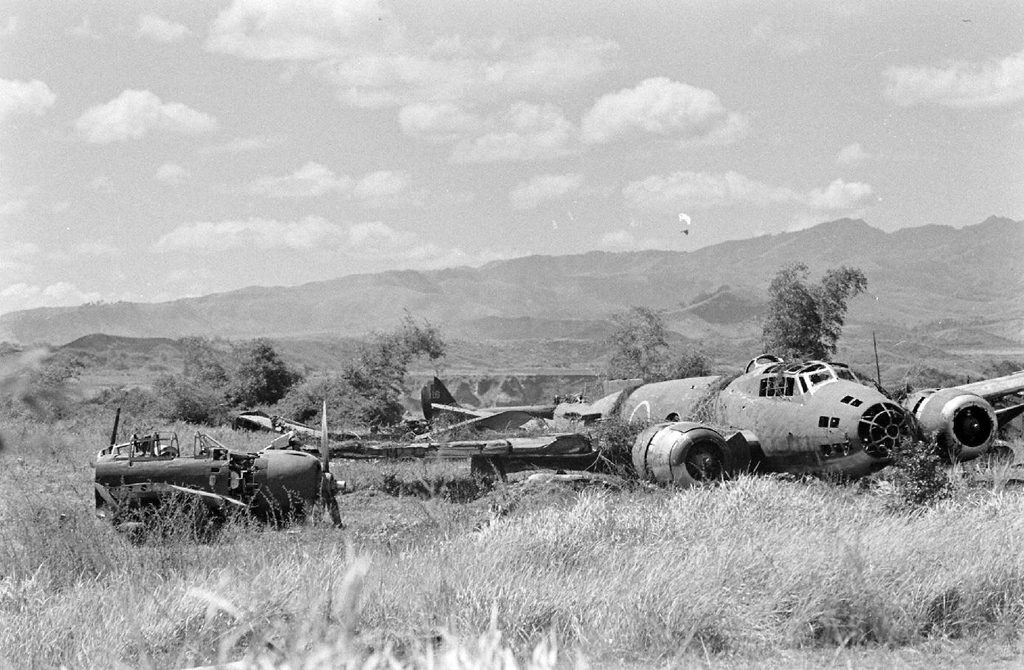
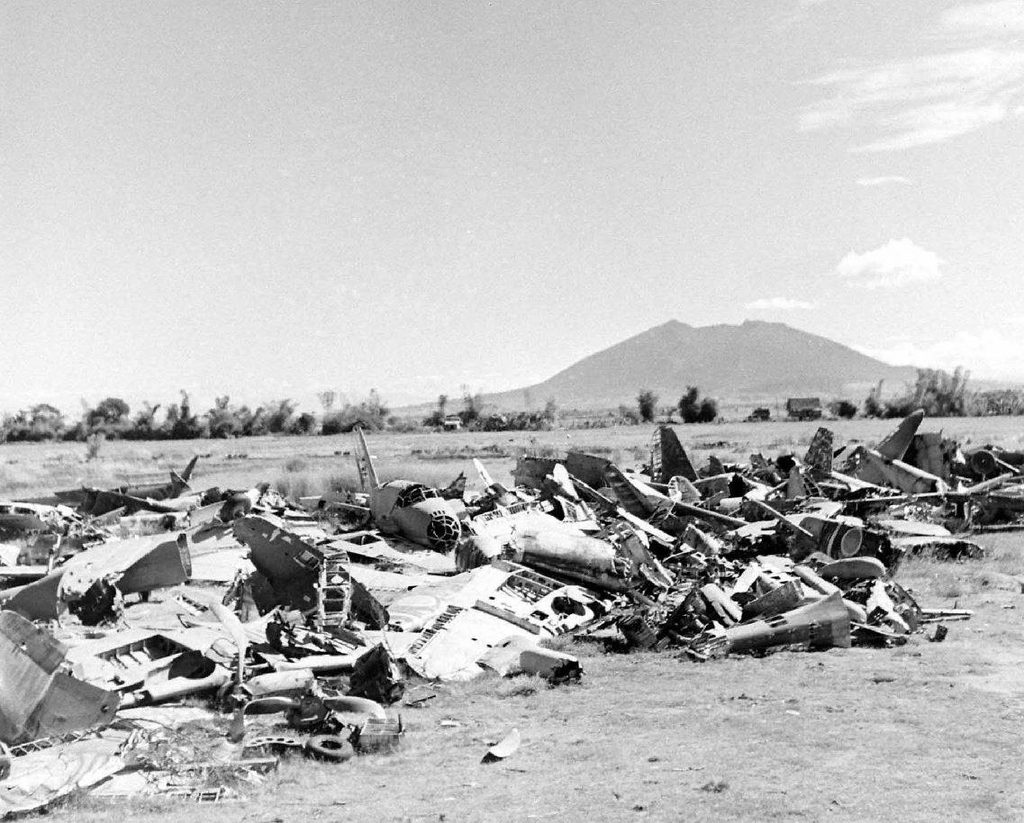
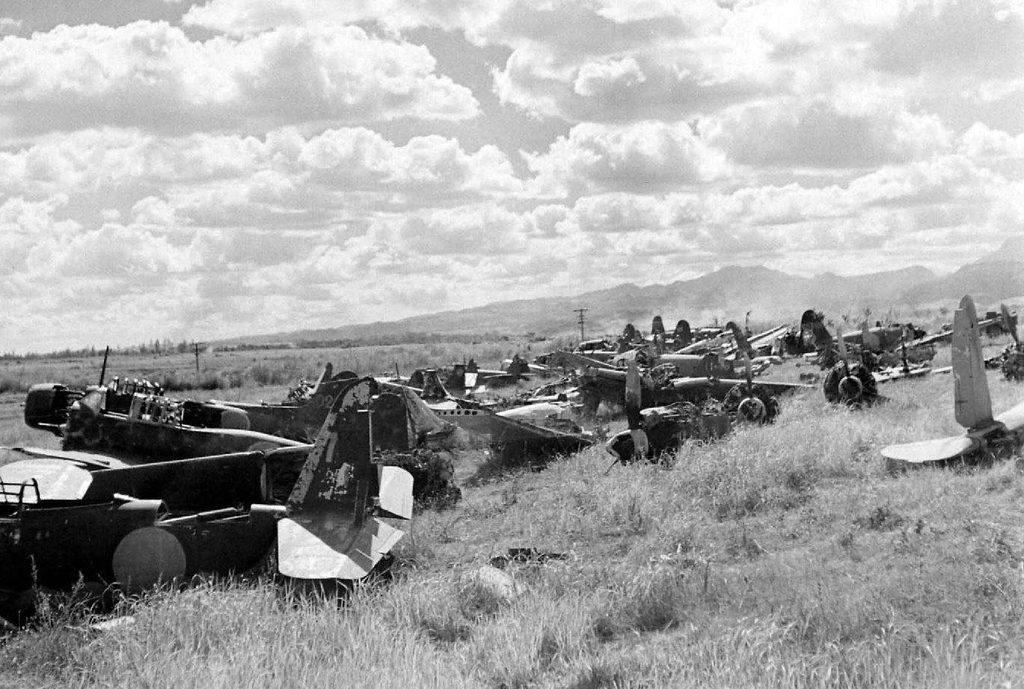
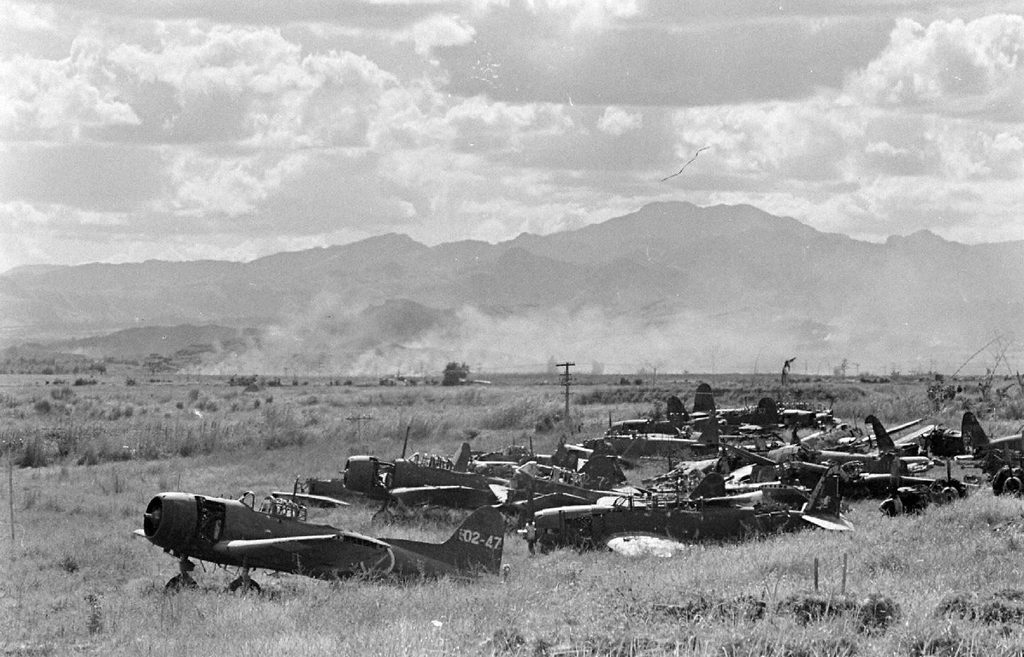
The US Navy’s Task Force 38, with its carriers, conducted massive aerial combat operations against Japanese targets, facilities and airfields, destroying hundreds of army and navy aircraft caught on the ground, from September 21, 1944 until January 22, 1945. Thus, Clark Field (as well as the satellite airfields) was littered with hundreds of Japanese army and navy aircraft brought by the fighter and bombing sweeps from carrier-borne aircraft and army fighters and bombers.
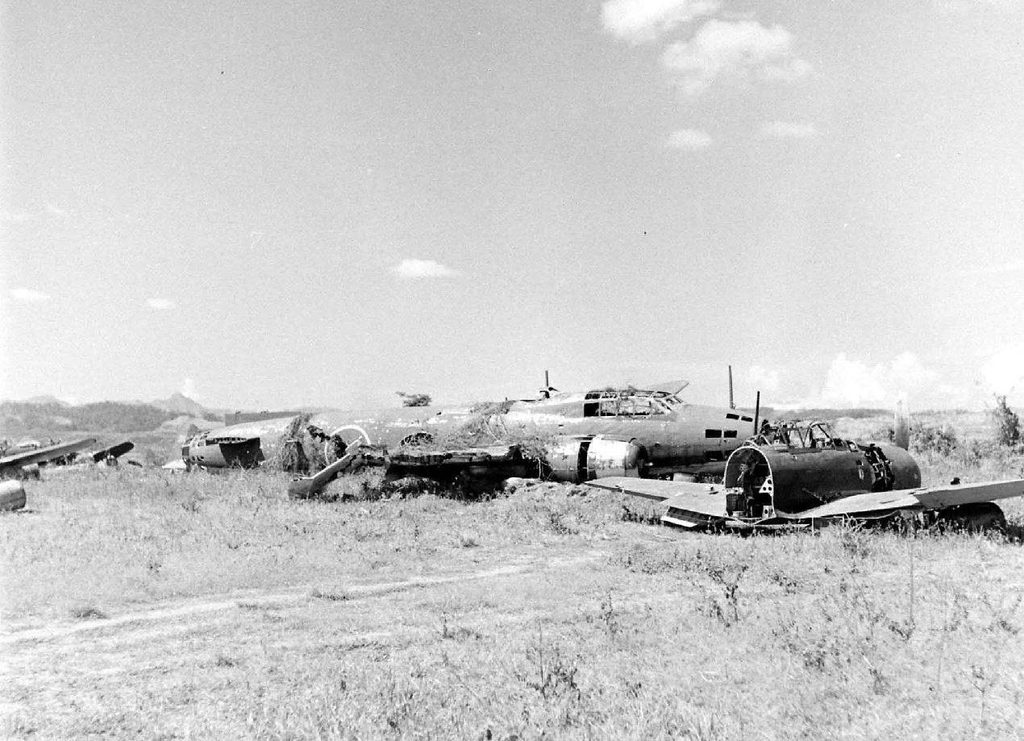
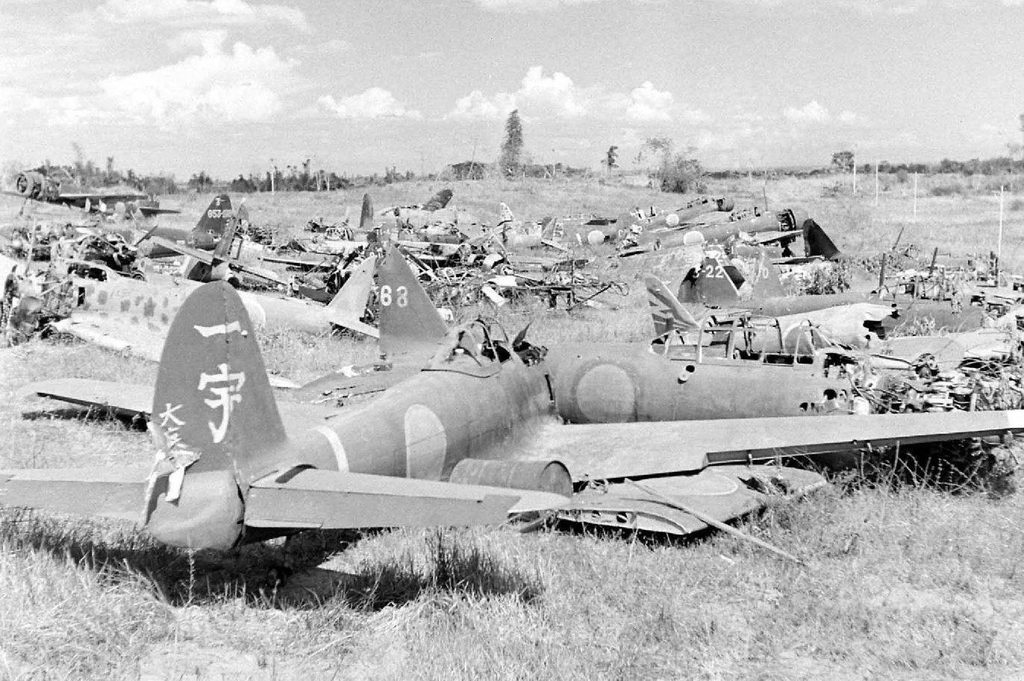
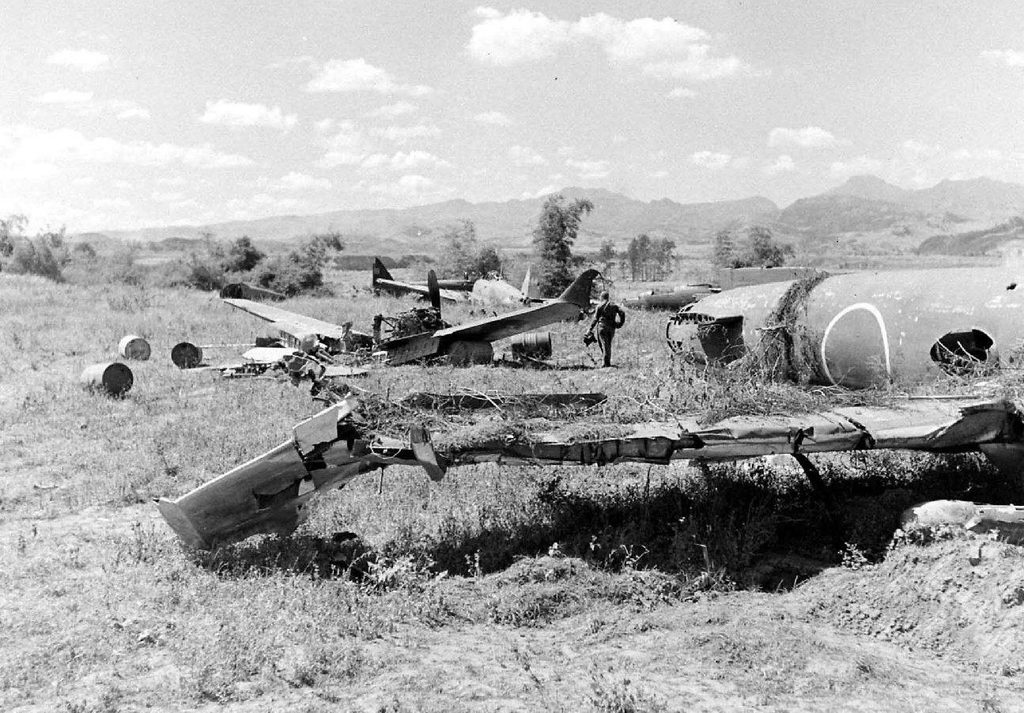
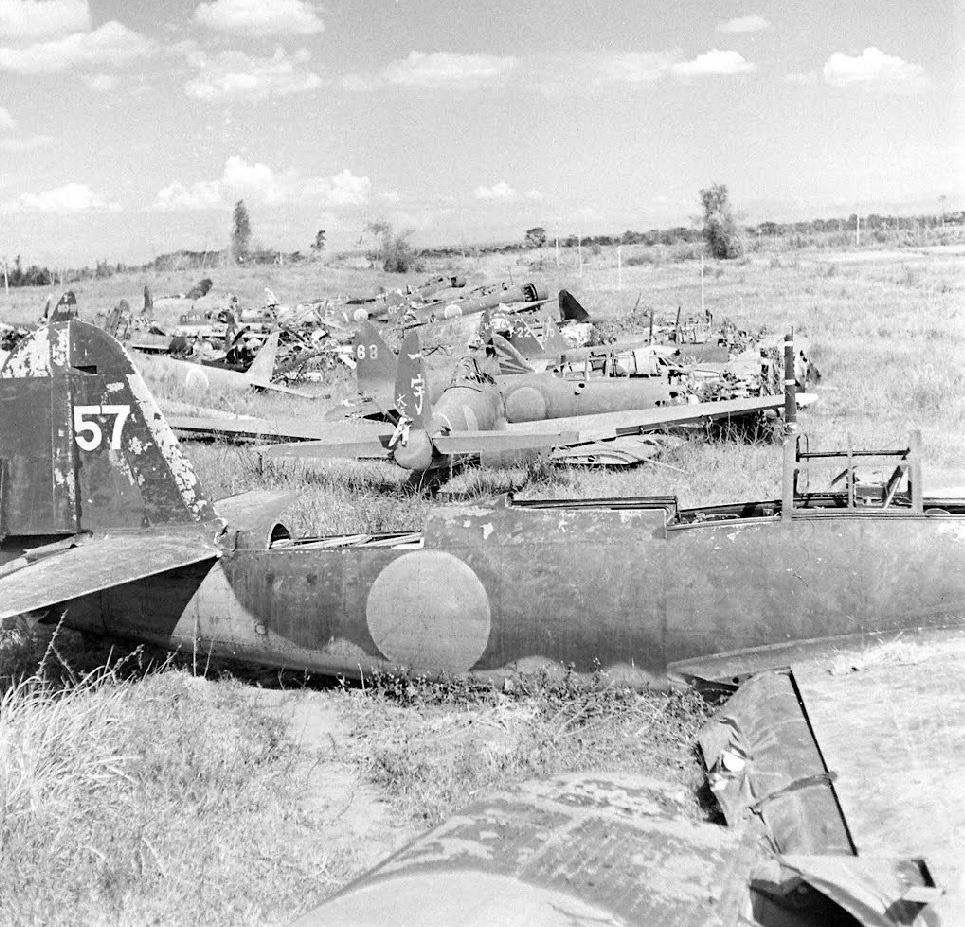
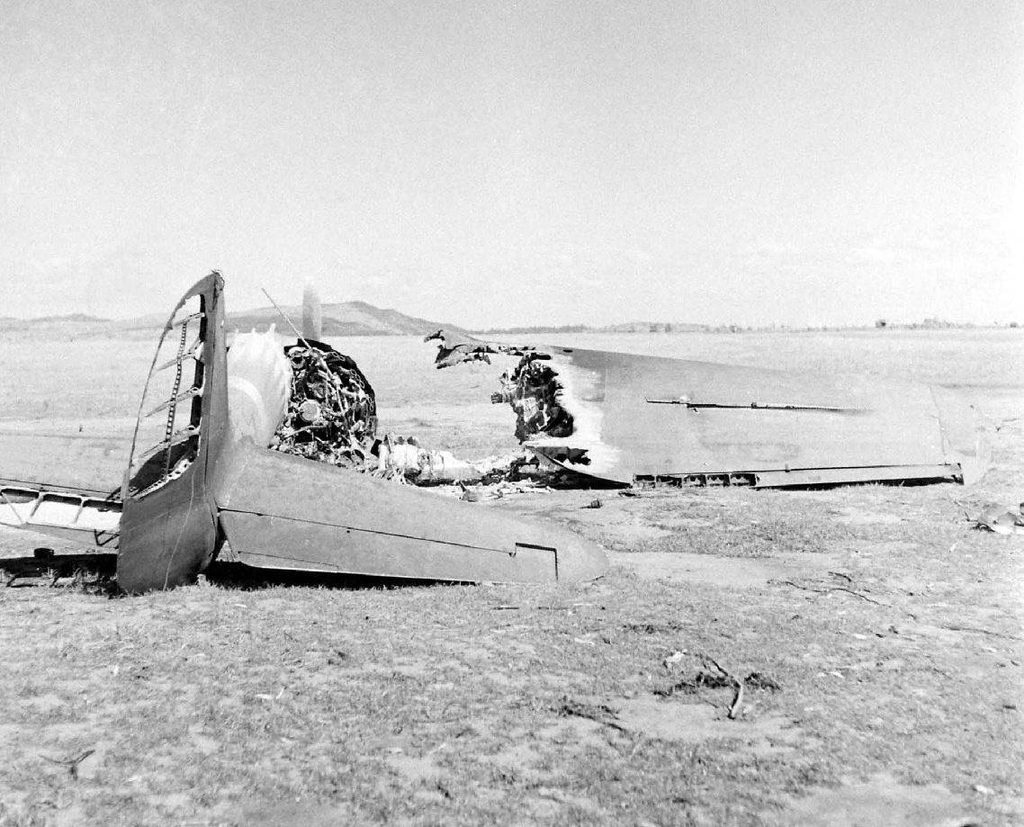
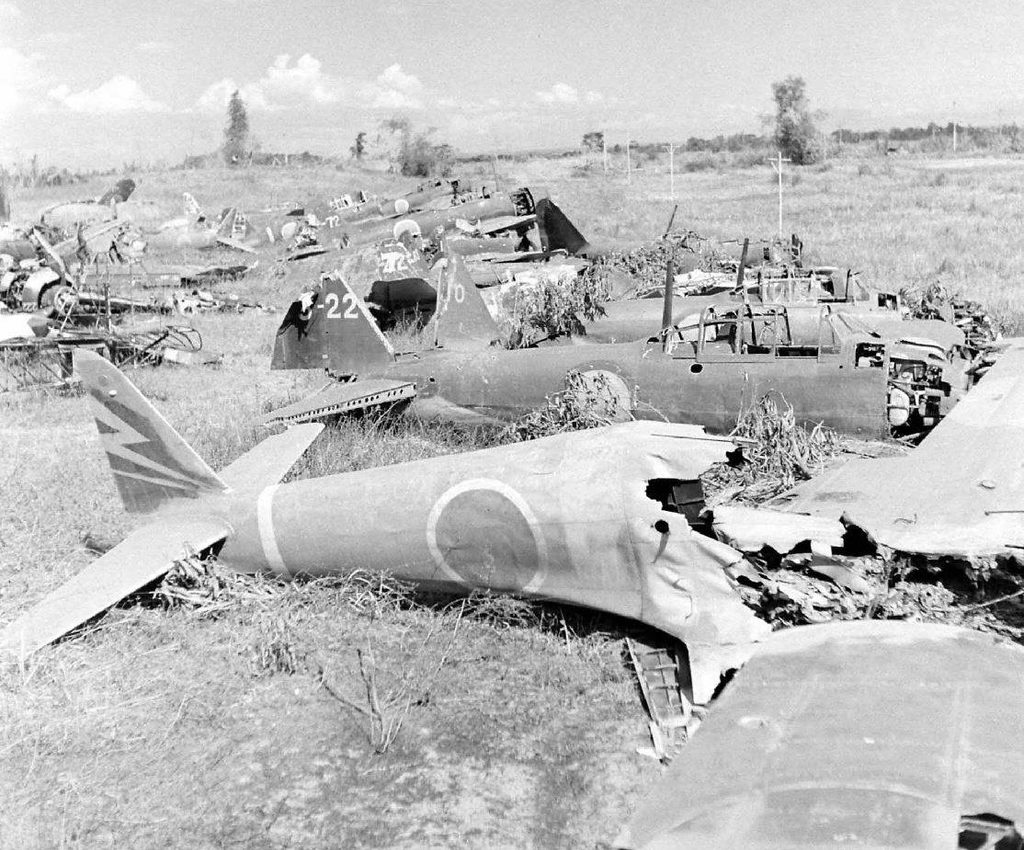
Famous combat photographer Carl Mydans accompanied the American liberating forces, the 37th and 40th Division, coming down along the Route 3 (now MacArthur Highway). During his sojourn to Clark Field, he had taken numerous photographs of the Japanese wrecks, as can be seen from the photographs, showing the devastation on the parked aircraft that littered the airfields.
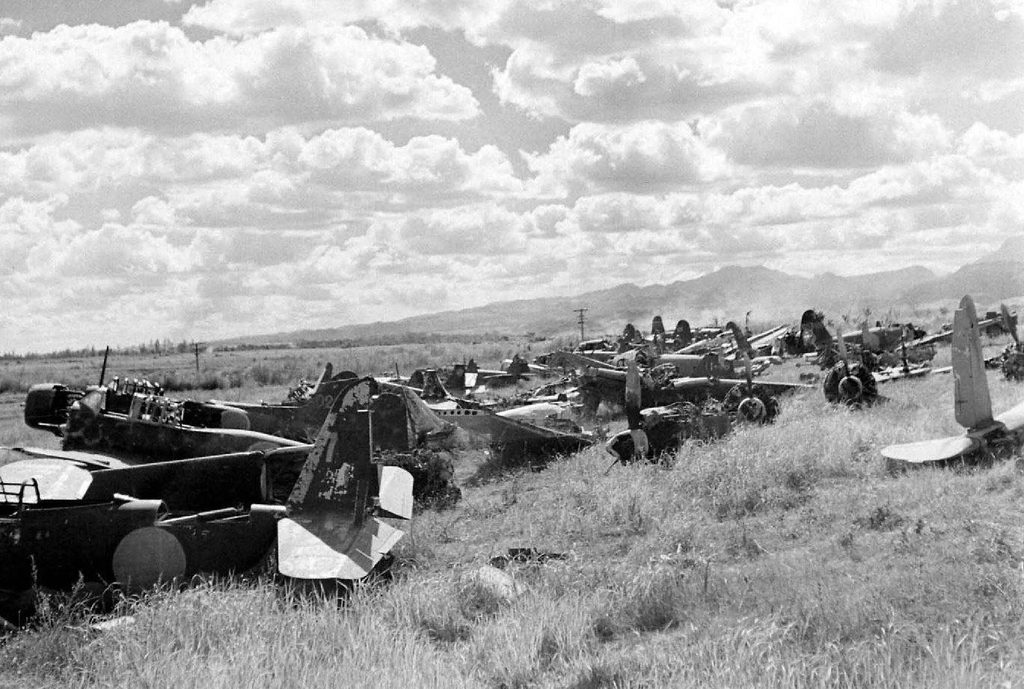
Some of the mountains from the background of these photographs probably taken in late January 1945, are identified, such as Mt. Pinatubo, High Peak, Lafe Hill and Mt. Arayat. Some of the wrecked aircraft were taken altogether in one place, while other photos shows the wrecks on their actual location when the American forces arrived at the edge of the airfields.
These photographs by Carl Mydans are important images of WWII at Clark Field that we can enjoy looking and studying.
Rhonie Dela Cruz
Bamban Historical Society/Bamban WWII Museum
Center for Pacific War Studies
WWII Remembrance Network – Hellships Memorial
PGT – Tarlac Provincial Tourism Office