Courtesy of Miyako Kusaka and Mr. Tauchi
MR. KATSUMI TAUCHI: A JAPANESE SOLDIER’s JOURNEY FROM CLARK FIELD 1944 TO BAMBAN WWII MUSEUM 2025 クラーク・ヒコジョ(1945年)からバンバン博物館(2025年)までの日本兵の旅
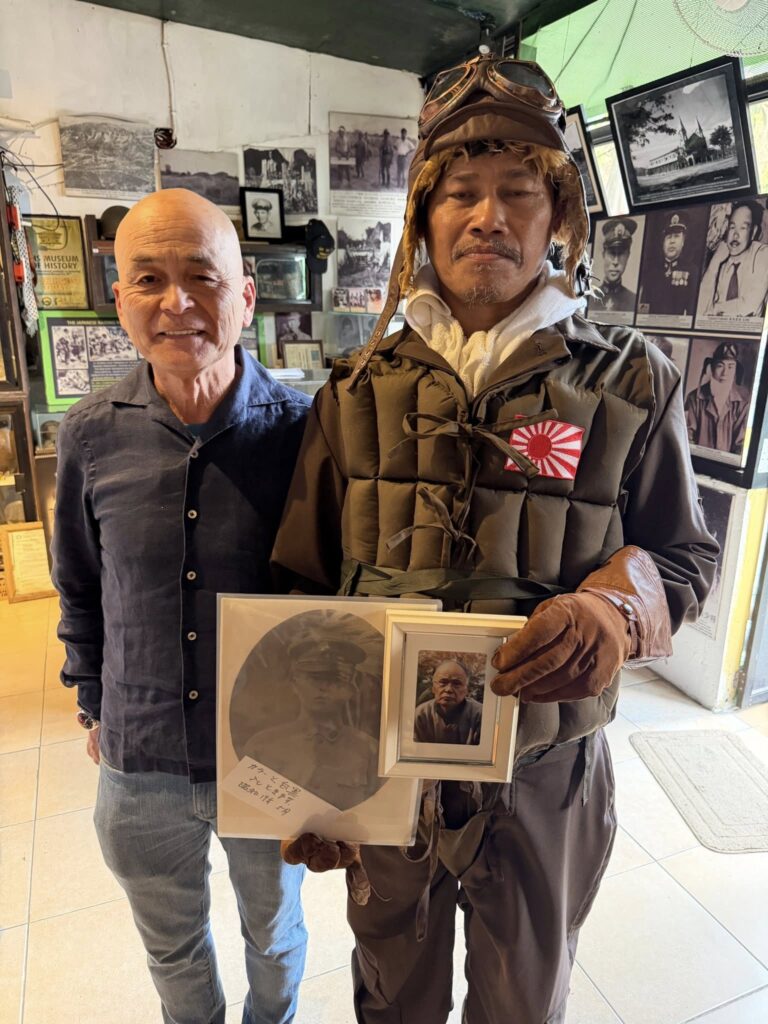
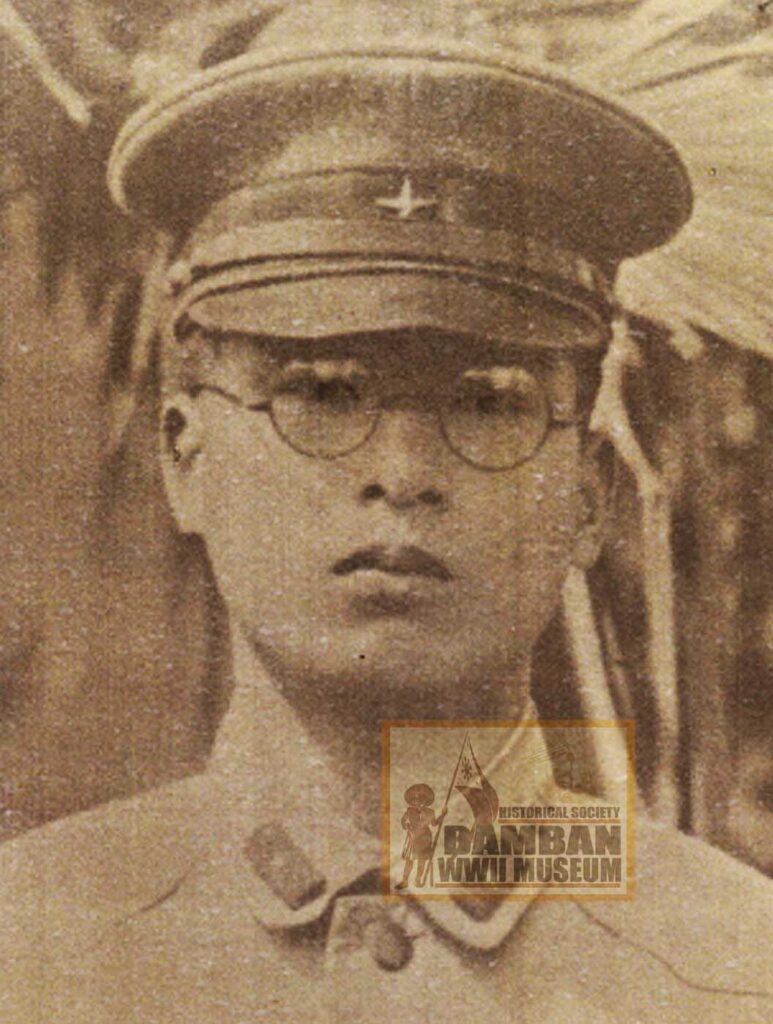
1944, with the portrait of Mr. Tauchi (aviation engineer) taken during WWII and
before he died.
EYEWITNESS TO SPECIAL ATTACK クラーク・ヒコジョの特別攻撃の目撃者
It was November, 1944, in the edge of Mabalacat West Airfield, a young Japanese aviation engineer in the Imperial Japanese Army Air Force, stood along other ground crews, mechanics, and pilots; bidding goodbye to Kamikaze pilots with their aircraft (Ki-43, Ki-44, Ki-61, etc.), warming up engines for take-off. It was the days of the Japanese Army and Navy Special Attack or Kamikaze.
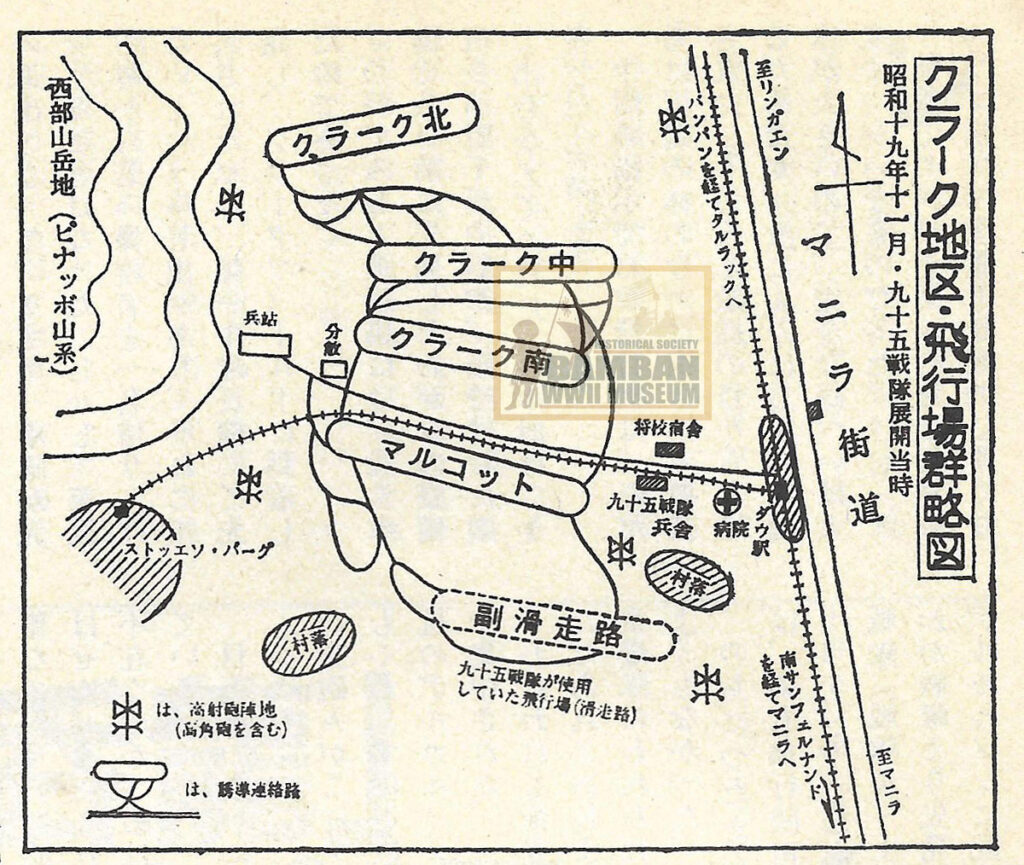
95th Sentai assigned at Clark in 1944.
Bamban WWII Museum collection
Clark Air Center, including Mabalacat Airfields, became the center of operations of the Kamikaze. the first Kamikaze ceremony was performed by Vice-Admiral Onishi Takijiro on the edge of Mabalacat West along with pilots of Shikishima Unit and Yamato and later adopted by the 4th Air Army.
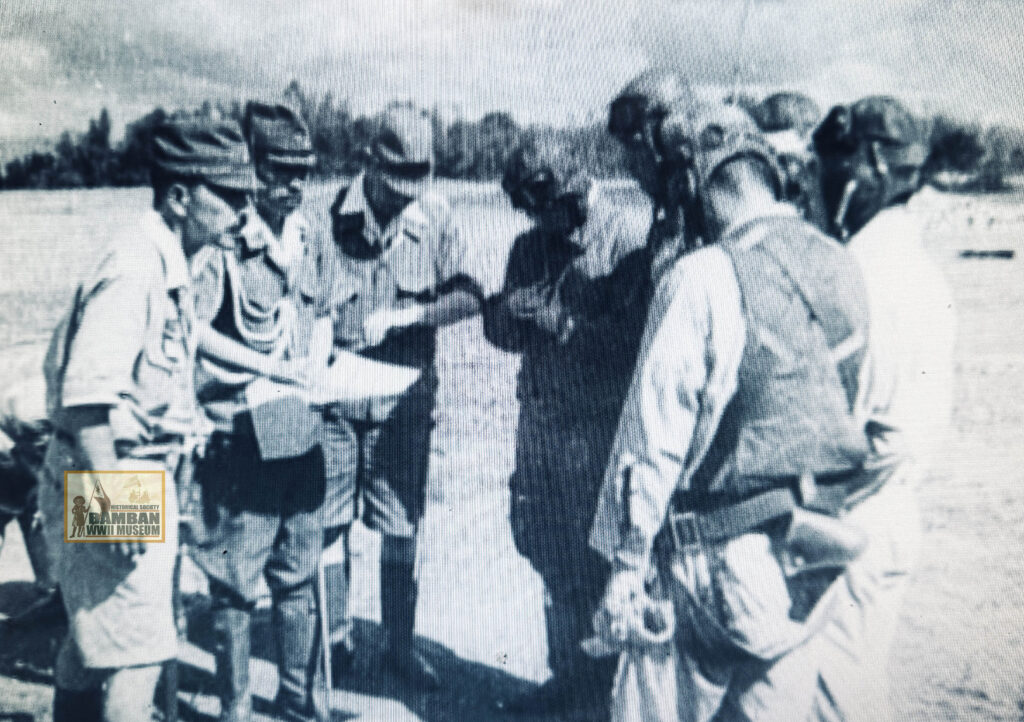
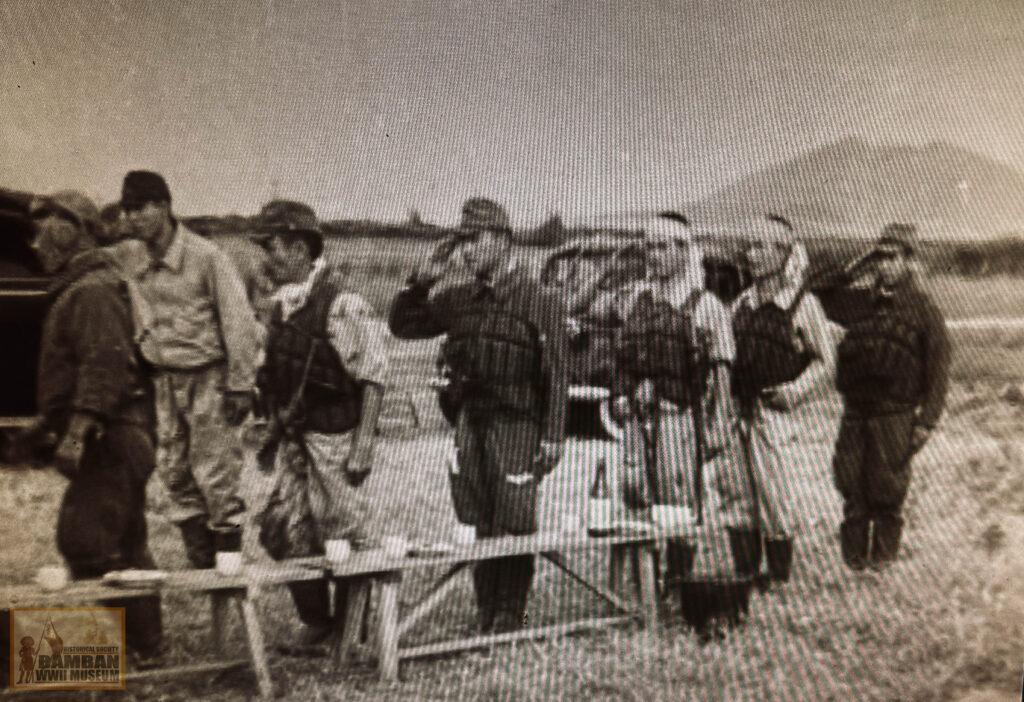
KATSUMI SAN, AVIATION ENGINEER 航空エンジニアの田内勝己氏
One of those Japanese military personnel was Katsumi Tauchi, aviation engineer in charge of repairs of aircraft, making sure they can fly. From Mabalacat West Airfield, Mr. Tauchi also went to Clark North, Clark Runway 1 and 2 (central) airfields, as well as Margot Airfields. Due to his job as an aviation engineer, he was able to see young Japanese army and navy pilots who became Kamikaze pilots and flew off for suicide missions in Leyte Gulf, Mindoro and later Lingayen.
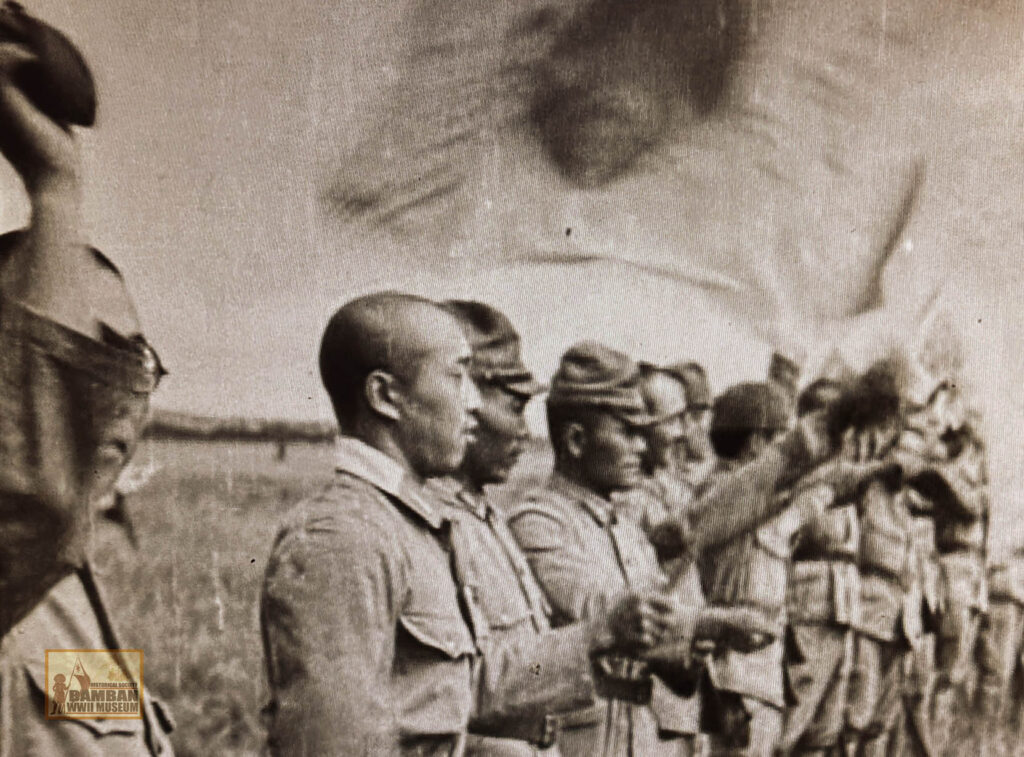
sorties of Army Kamikaze Special Attack airplanes.
WITH THE JAPANESE AIR ARMY クラーク彦城の日本空軍
Mr. Tauchi entered military service in April 1944 as Seibudai Hyakubutai (aviation engineer). In early October 1944, he was deployed at Clark Airfields including Mabalacat West. In the days and months that follow, he saw many Japanese pilots who were members of Kamikaze Special Attack, making their last sorties and mostly never to return to their air bases.
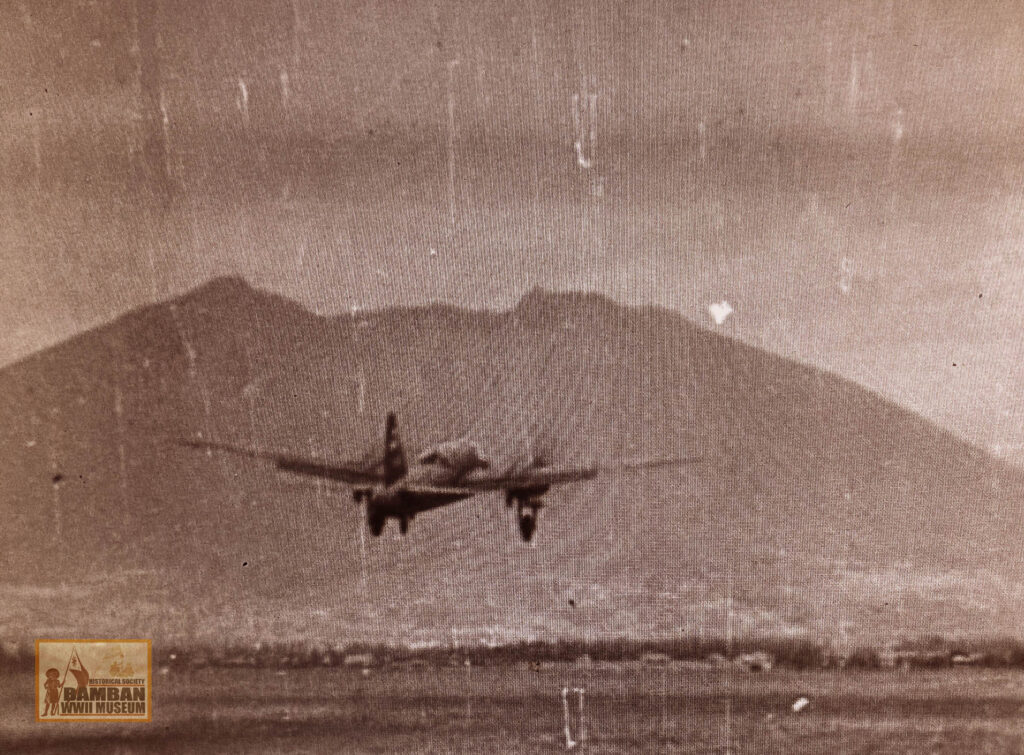
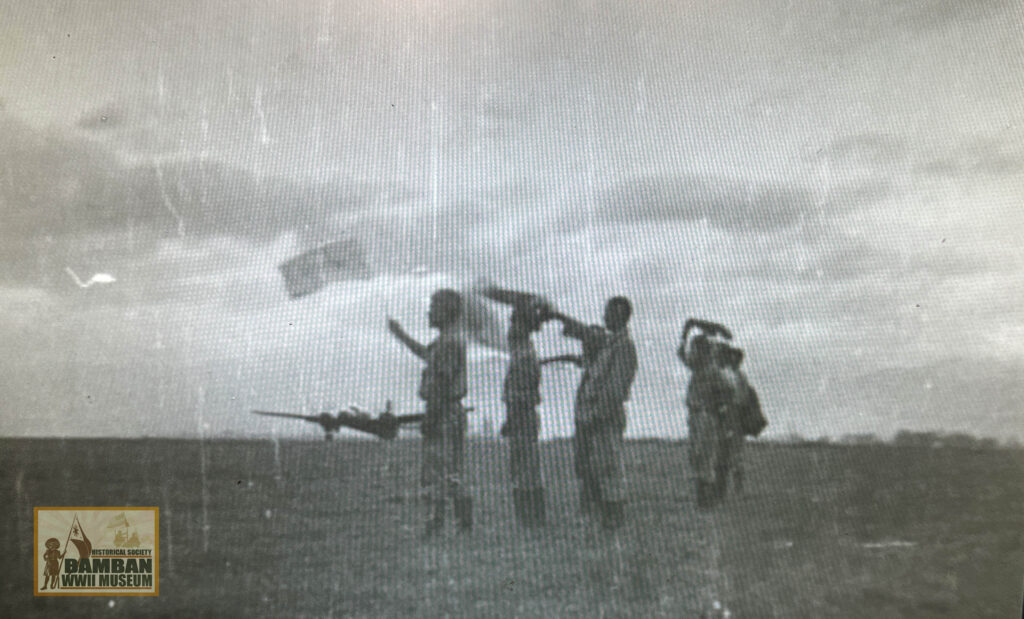
Clark Field was a major air center for the Imperial Japanese Army’s 4th Air Army, including
operational base for the Kamikaze Special Attack. A Japanese bomber on suicide mission in
November taking off at Clark Central Airfield with Mt. Arayat at the background.
ESCAPE TO ECHAGUE AS AUXILIARY INFANTRY 歩兵としてエチャグエへ逃亡
With the dwindling number of operational aircraft and the loss to Kamikaze operations, he was transferred to Tuguegarao Airfield in January 1945. Upon arrival, he found that there were only few aircraft left. The many land battles in Luzon started in January 1945 and soon, he found himself becoming infantry soldier and was attached to 105th Division and fought in north of Luzon and Cagayan Valley starting May 1945.
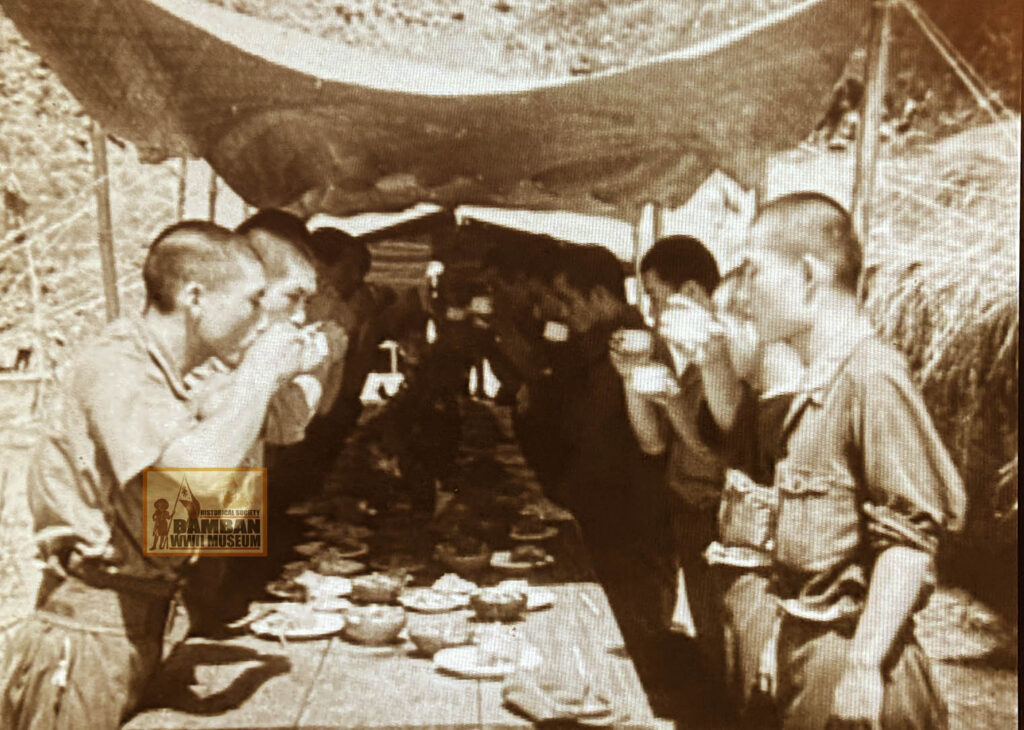
Airfield.
HORYO: JAPANESE PRISONER OF WAR 捕虜:日本の戦争捕虜
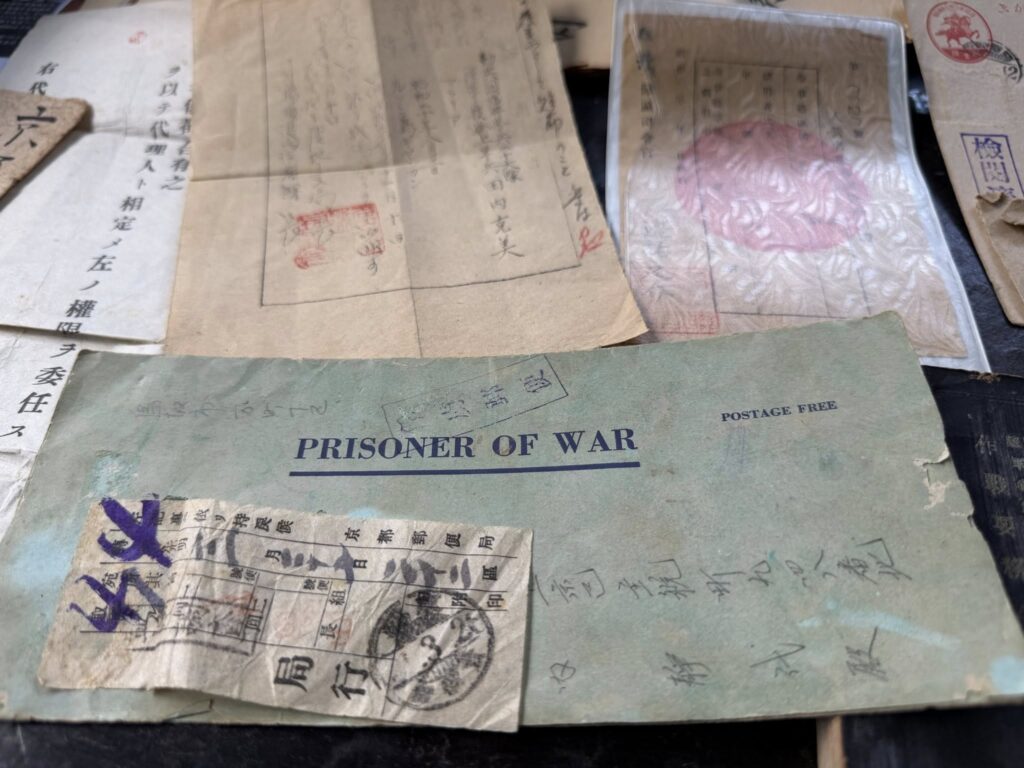
With the surrender of Japanese forces in the Philippines on September 3, 1945, he was taken officially as Prisoner of War in Antipolo. In December 1947, his unit was on demobilization process, and thereafter went back to Japan, landing in Nagoya, to begin another episode in his life as the vanquished soldier.
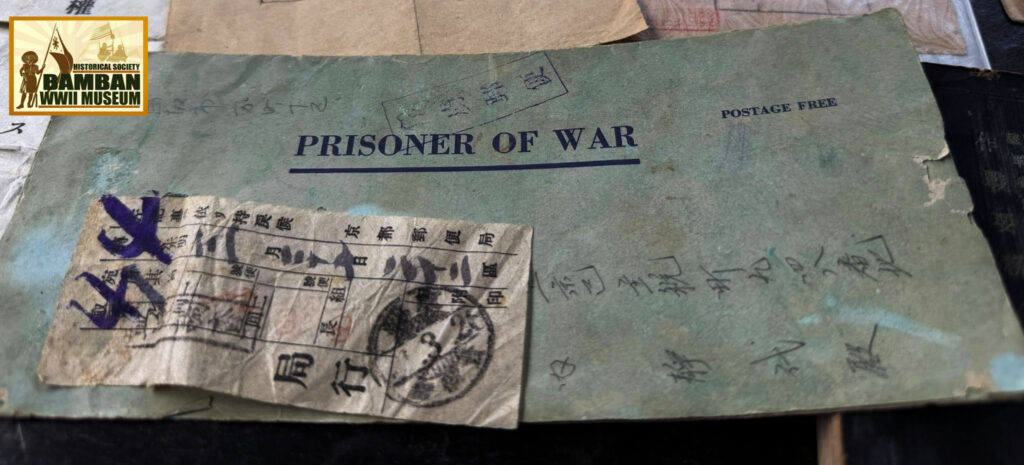
American forces in the mountains near Echague. His papers were donated by his
son for exhibit at the Bamban WWII Museum.
MEMORIES OF WAR 戦争の思い出
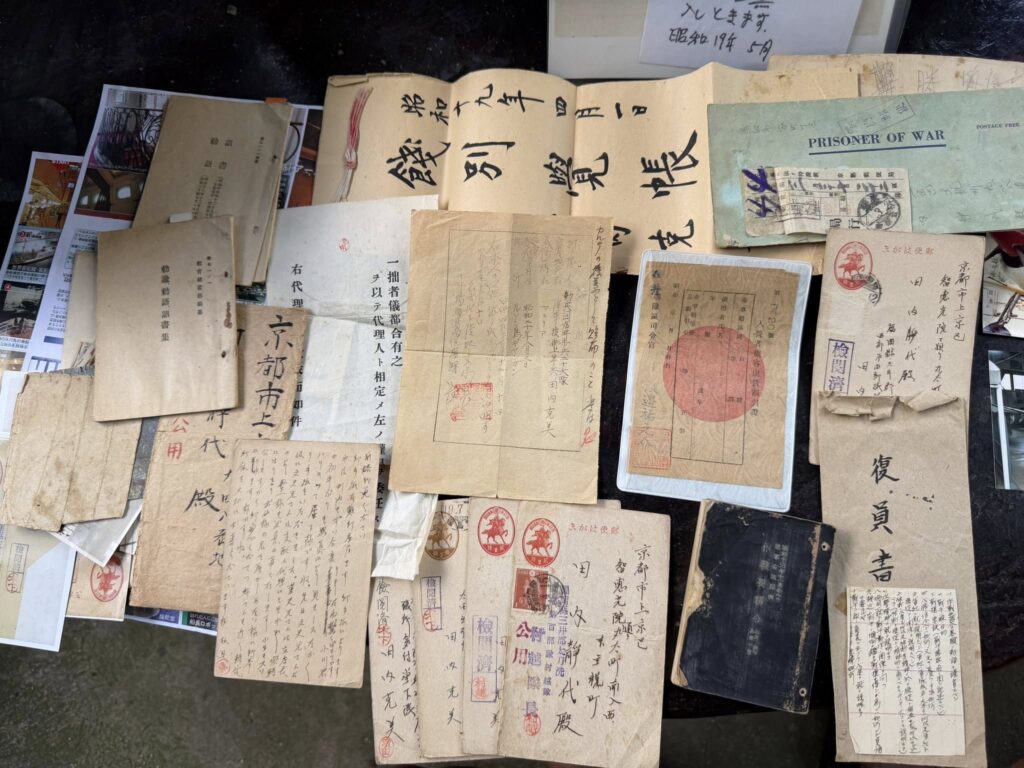
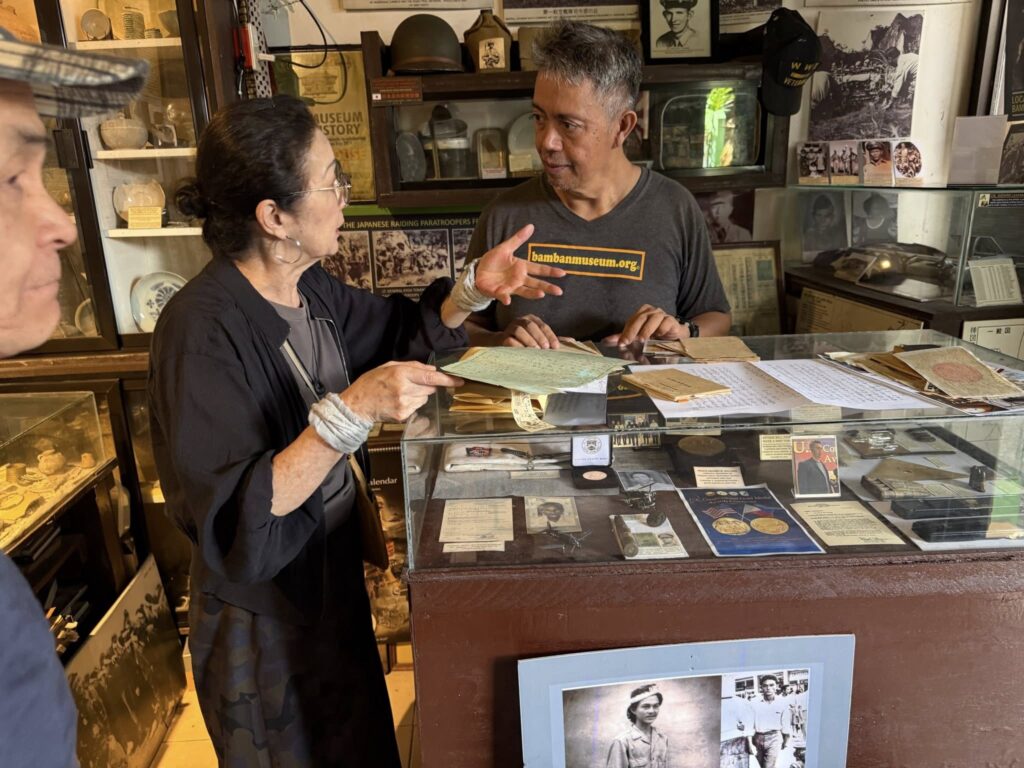
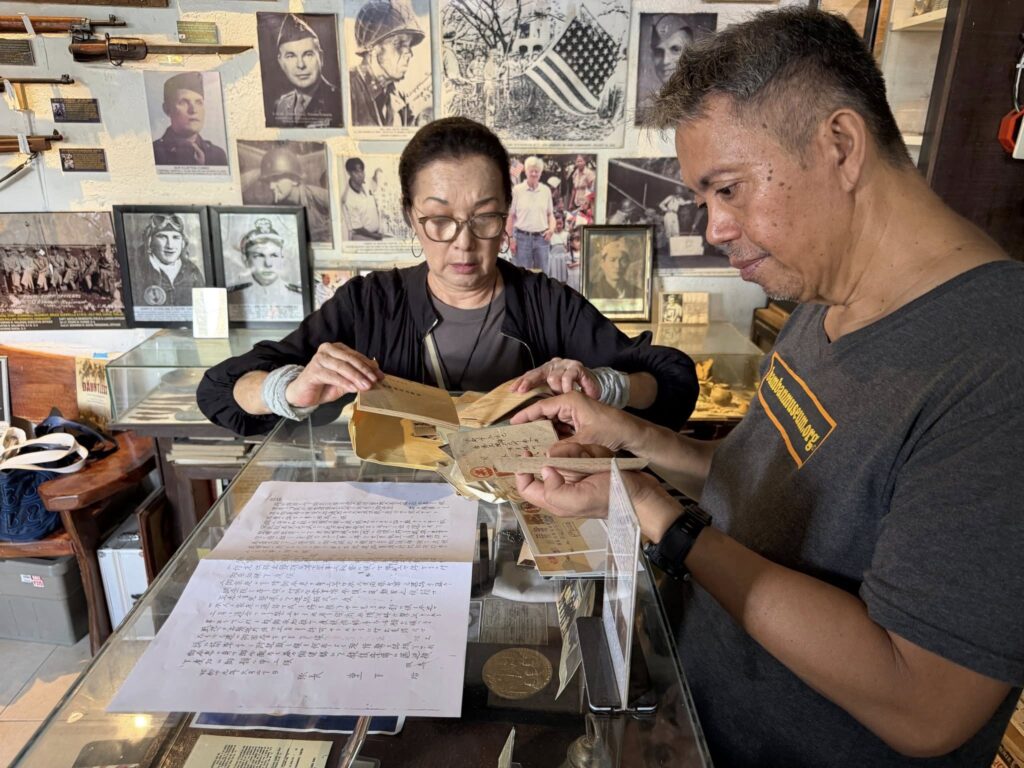
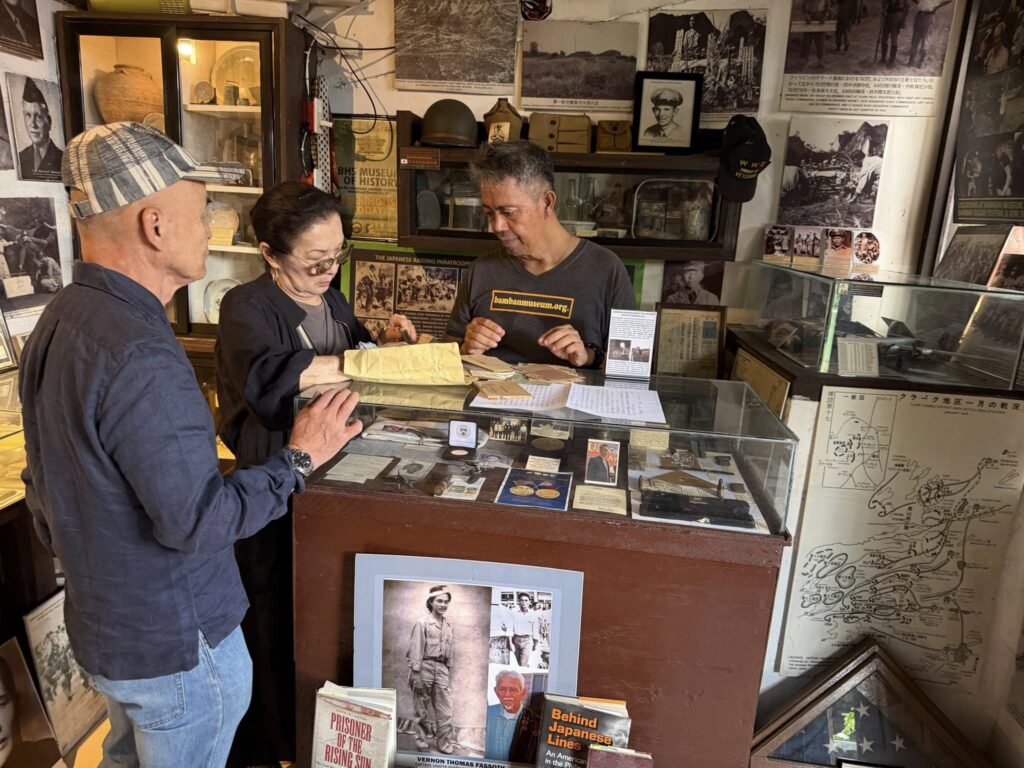
Mr. Tauchi married and begun normal life, until he became old. In one of his last years, a Japanese nurse; Miyako Kusake became friend of Mr. Tauchi and told her of his war experience in the Philippines. Miss Kusaka visited our Bamban WWII Museum in 2023 and reported to us about Mr. Tauchi. Ms. Kusaka was instrumental in bringing the son of Mr. Tauchi for a sentimental visit to Clark, the place his father was assigned in WWII, and met us at our Museum. Accompanied by Ms. Hideko Kasunaga, He was bringing with him original photos, manuscripts, letters and photographs belonging to his father as a soldier in the Philippines; including official documents while a Prisoner of War.
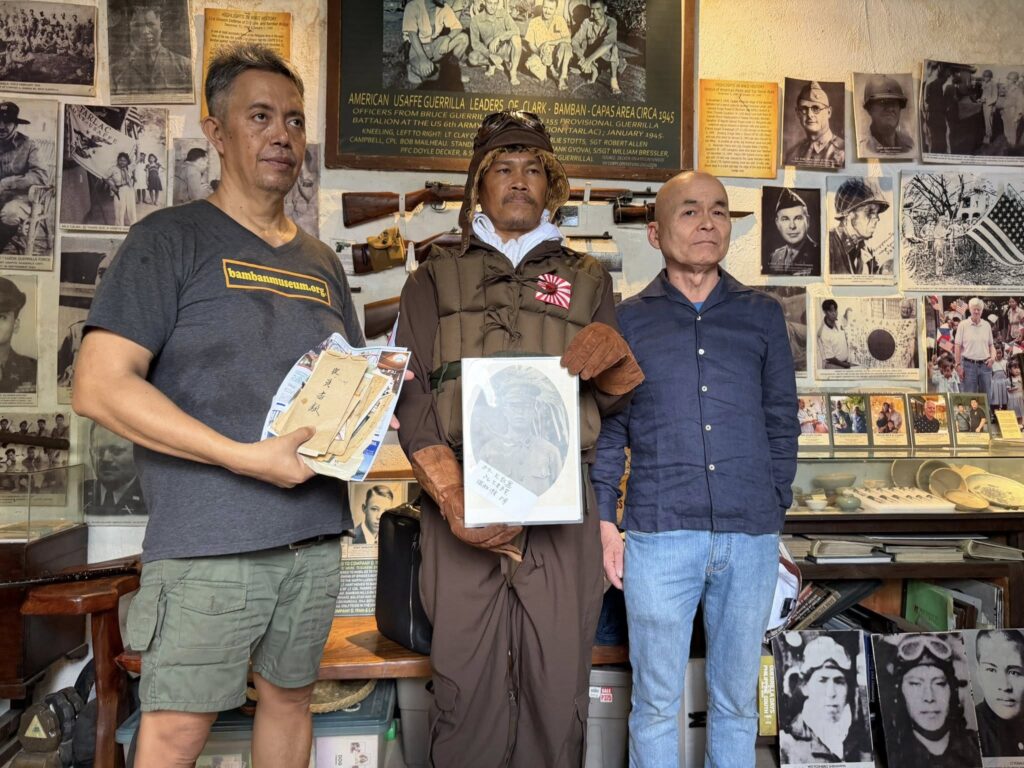
November 15, 2025.
ORIGINAL PAPERS OF MR. TAUCHI 田内氏の原本
He decided to donate all these rare and original papers and photographs to our Bamban WWII Museum, to our delight. Someday, I will include these museum pieces of the story of a Japanese soldier in the Philippines.
Photographs show Mr. Tauchi son, and pictures of Mr. Tauchi during the war and before he died, and scenes of handing over of museum pieces. In one of his papers, he said:
“I definitely remember the scenes many friends took off from Clark Airfields as TOKKO TAI on airplanes I had repaired. They never returned.”
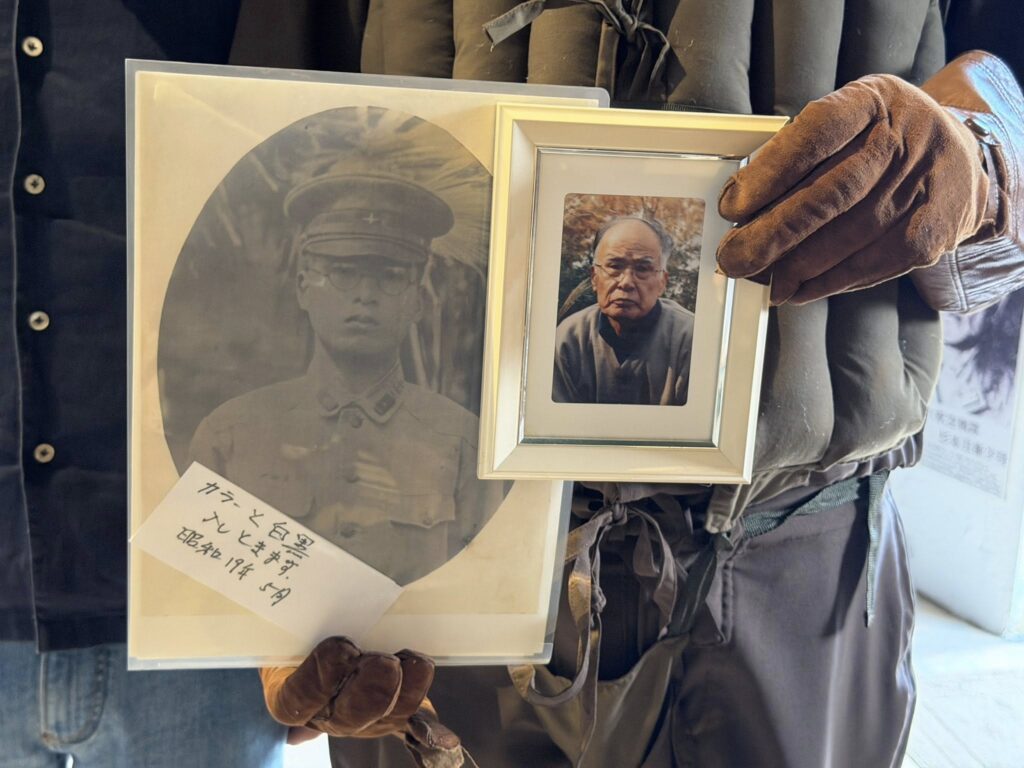
IN MEMORIAM 記憶の中で
Mr. Tauchi passed away in 2017. Seven years later, his son decided to visit places where his father was assigned and made sentimental visit to Bamban WWII sites.
Before he died, he wrote his war experience; the following is an extract:
戦争は人々に人間性を失わせます…
“WAR makes people to lose humanity, become mentally ill and do wrong judgements. Even if a country wins war, the beloved person who died in the war will never come back to life and returning soldiers cannot get back lost limbs. But not only losers suffer. Winners and losers lose their dear family and friends.
The tragedy lasts forever.”
Katsuki Tauchi
Japanese Army aviation engineer
Assigned at Clark, 1944
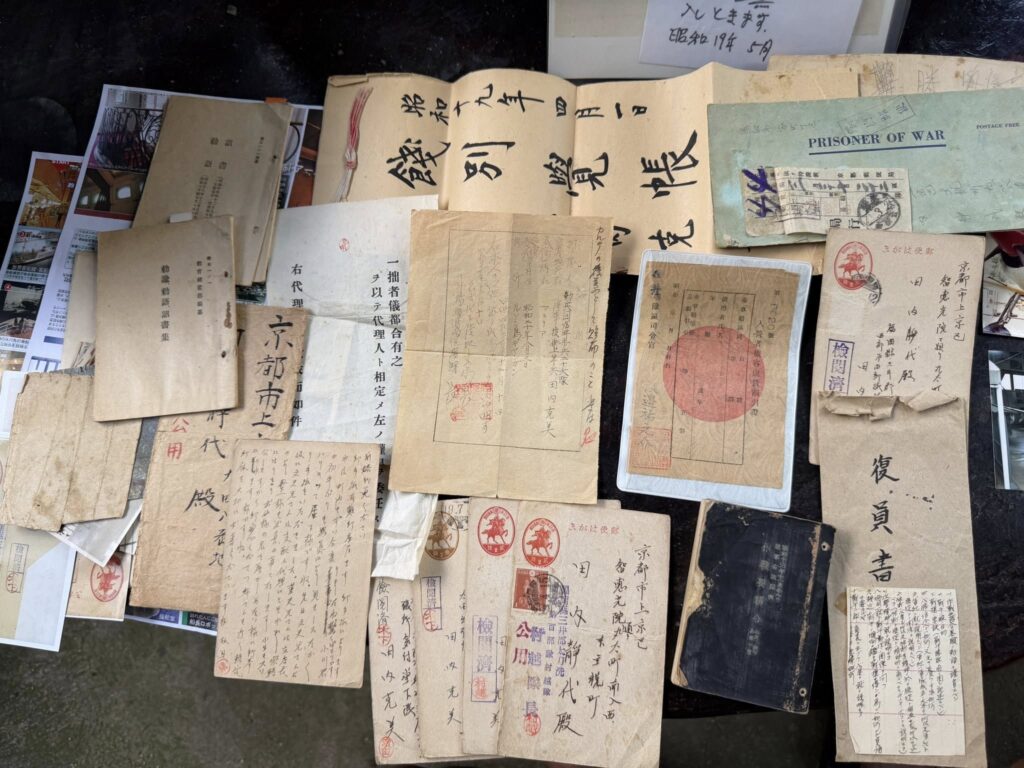
Mr. Tauchi, were donated for the Bamban WWII Museum.
2025 Rhonie Dela Cruz
Bamban Historical Society
Bamban WWII Museum
Bamban Center for Pacific War Studies
Provincial Government of Tarlac-
Tarlac Provincial Tourism Office