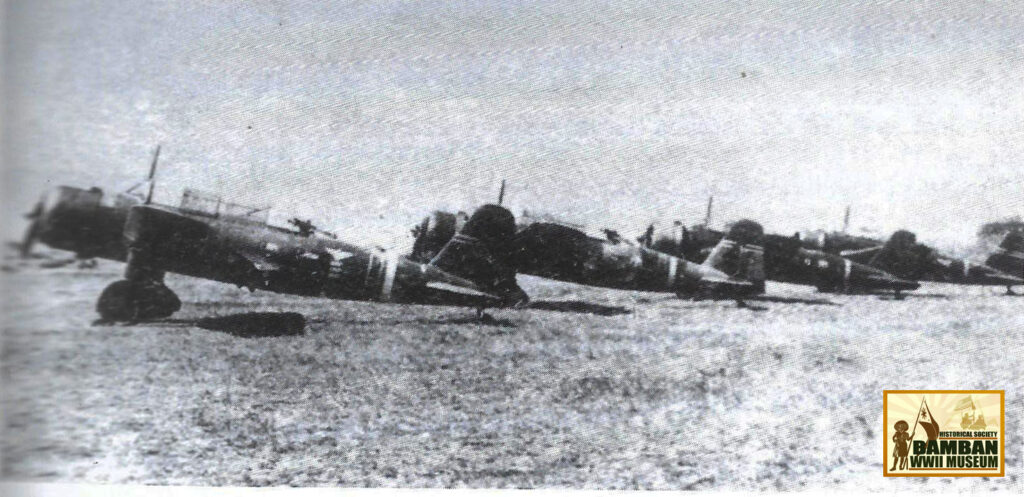
were used by the 5th Air Group, belonging to 16th Air Regiment, 4th Air Brigade that were
based at Vigan and Laoag Airfields and conducted air operations against
Filipino-American positions from Tarlac to Porac during the retrograde movement to Bataan.
Source: Japanese Army Air Force Fighter Units and Their Aces 1931-1945.
Investigating History:
JAPANESE COMBAT AIR OPERATIONS AROUND CLARK FIELD DURING THE FILIPINO-AMERICAN RETROGRADE MOVEMENT; DECEMBER 29, 1941 TO JANUARY 4, 1942 – 大東亜戦争初期におけるフィリピンにおける日本軍航空軍の戦闘作戦(1941年12月29日から1942年1月4日)
CLARK FIELD AND THE FIRST JAPANESE AIR UNITS 1942 – クラークフィールドと最初の日本軍航空部隊 1942年
The question posted in relation to the map “Holding the Layac Junction”, part of the retreat of the North Luzon Force to Bataan, if the Japanese conducted strafing and dive-bombing on the Filipino-American forces coming down along the road to Bataan. It must be remembered that at the time, although Clark Field was already occupied by the elements of the Japanese Kanno Detachment on January 1, 1941 with the withdrawal of the 21st Division (P.A.) at the USAFFE Defense Line No. 5 at the Bamban, it was only January 6, 1942 that the first Japanese air unit, the 18th Airfield Battalion, 11th Air Sector, was deployed at Clark Field.
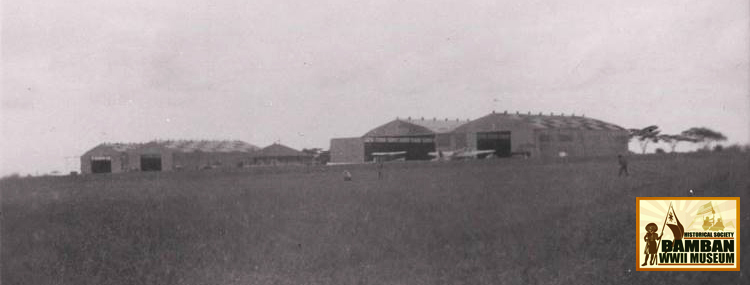
Later, the 22nd Air Brigade headquarters under Major General Mikami was deployed at Clark Field, along with the 11th Air Sector, 18th Airfield Battalion (elements), 8th Airfield Squadron; the attached air units were 60th Air Regiment (heavy bombers), 62nd Air Regiment (heavy bombers), 96th Airfield Battalion and 3rd Meteorological Company, 111th Land Duty Company (elements) and the 56th Construction Duty Company (elements).
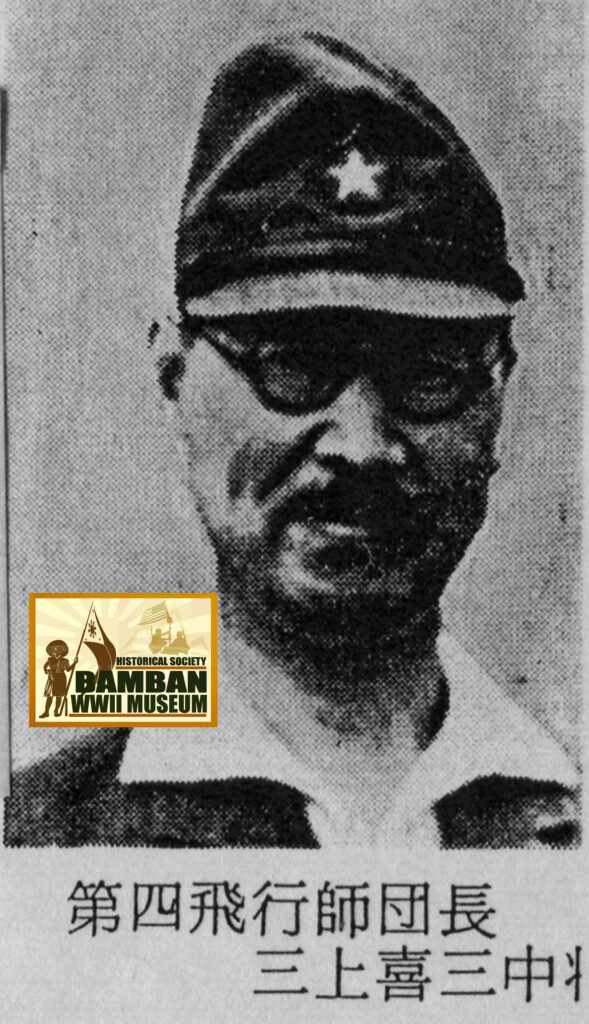
the headquarters, 22nd Air Brigade.
Bamban WWII Museum Collection
THE JAPANESE AIR ARMY 5TH AIR GROUP – 日本陸軍航空隊第5航空群
The main Japanese air force command who conducted air operations to include strafing and dive-bombing on the Filipino-American forces surrounding Clark Field from Tarlac to Porac during the retrograde movement of the North Luzon Force starting December 29, 1941 to January 4, 1942 was the 5th Air Group, particularly the 50th Air Regiment (4th Air Brigade) composed of Nakajima Ki-27 Type 97 fighters and originally based at Koshun Airfield, Taiwan and the 16th Air Regiment (4th Air Brigade) with its Mitsubishi Ki-30 Type 97 light bombers originally based at Kato Airfield, southern Taiwan.
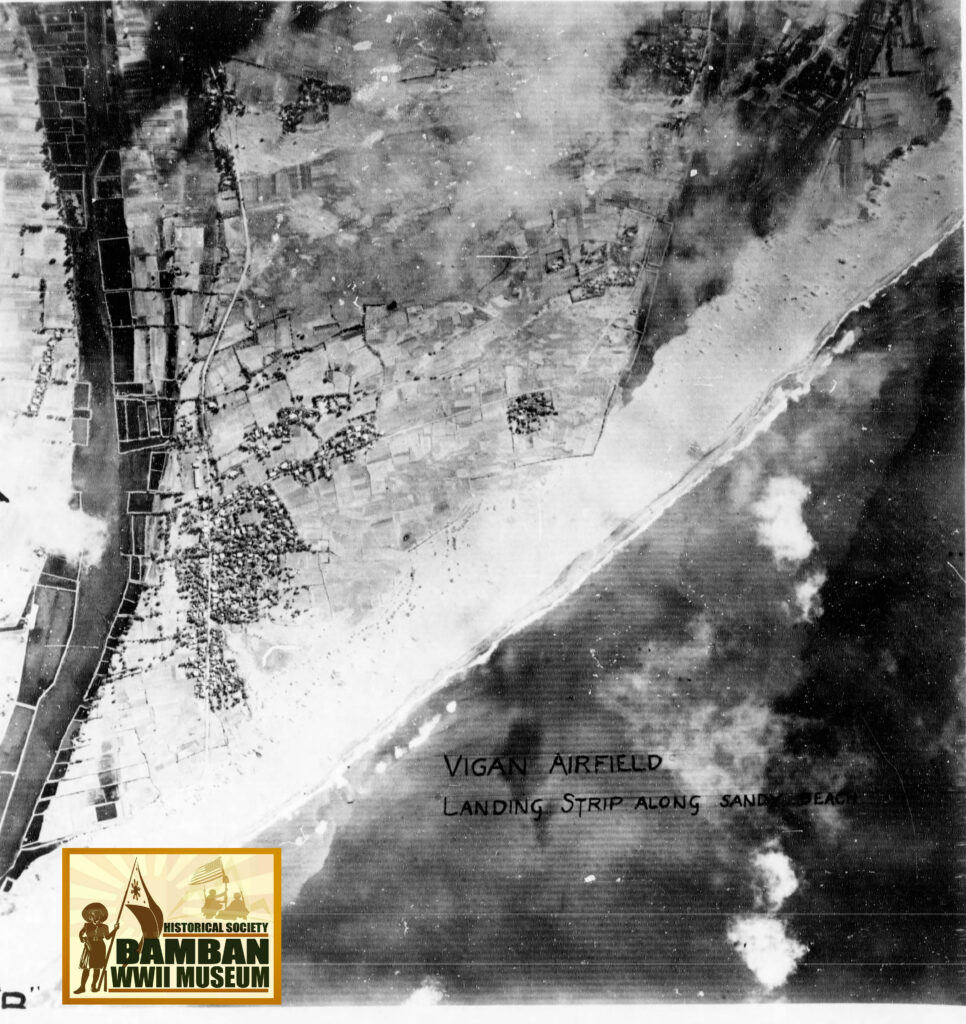
the 24th and 50th Air Regiments.
Source of photo: US NARA
By the time the operations of the 5th Air Group were conducted during the retreat of the North Luzon Force from Tarlac to Porac, the 5th Air Group was already based at Vigan Airfield; the 24th Air Regiment at Vigan and Aparri in December 1941 and elements later moved to Laoag until January 1942.
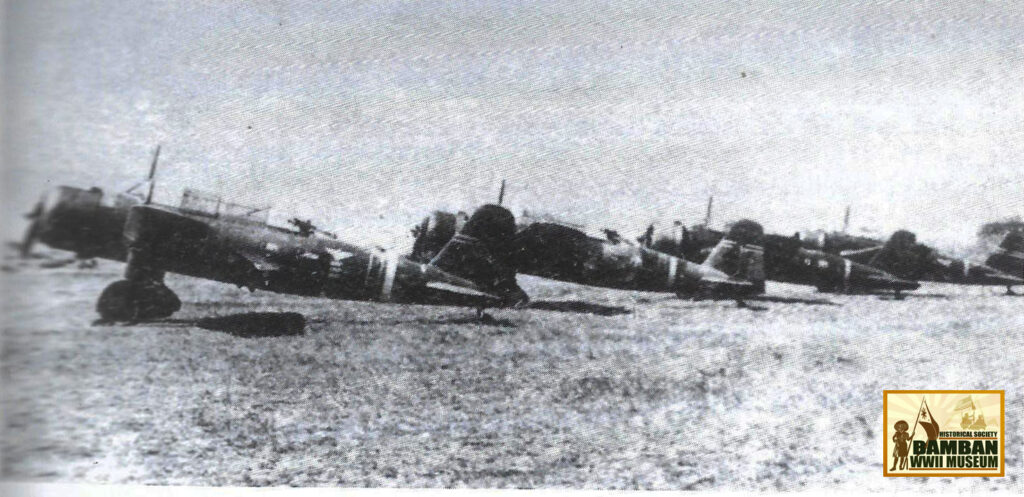
Japanese Army light bomber used by the 16th Air Regiment during the retrograde movement
of the Filipino-American forces into Bataan.
The 50th Air Regiment combat operations at the time of the retreat of the North Luzon Force especially the 21st and 11th Divisions (P.A.) was operating from the airfields of Aparri and Vigan from December 1941 to January 1942, and later, elements of the unit were transferred to captured Clark Field from January to March 1943 where it participated in the air campaign over Bataan against the Filipino-American forces.
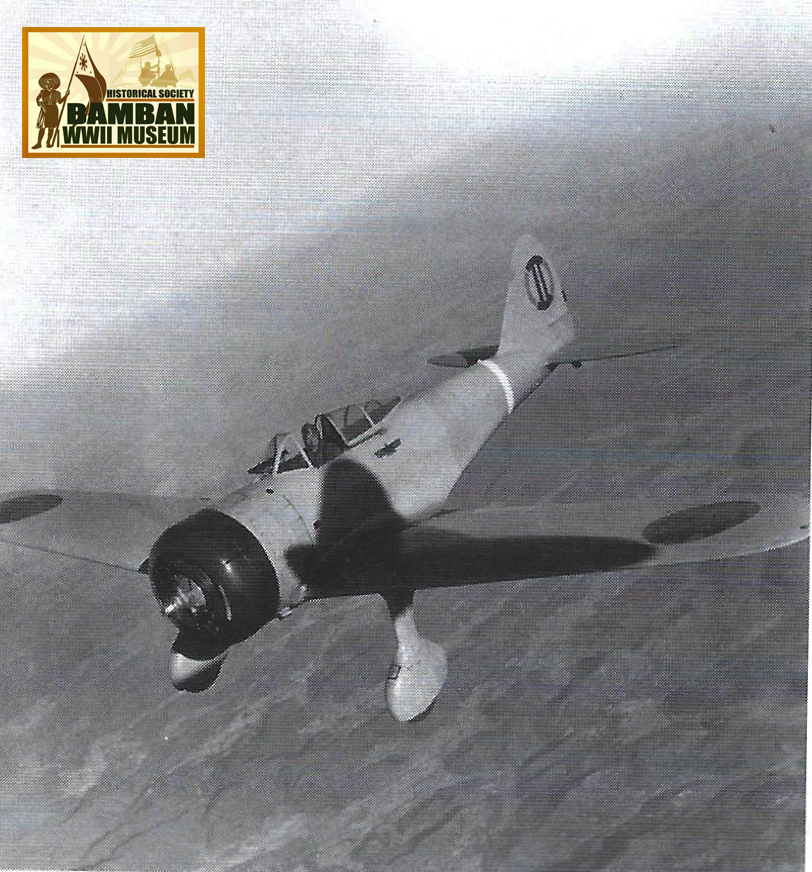
Air Regiment based at Vigan and Apari Airfields that conducted combat operations
including strafing and dive-bombing on USAFFE troops and vehicles.
Source: Japanese Army Air Force Fighter Units and Their Aces 1931-1945.
MATERIAL SOURCES – 歴史情報を収集するために使用された資料
To get historical accounts of the Japanese strafing and dive-bombing of Filipino-American forces in the vicinity of Clark on the said period, the book of Colonel Richard Mallonee provides a complete combat narratives as he was with the 21st Division (P.A.) field artillery. During the retrograde movement from Tarlac to Porac, he witnessed the constant Japanese air combat operations against the troops and artillery of the 21st Division coming down along the main road leading to the south, the Route 3 (MacArthur Highway) and into Route 74, which is now the road to Porac from Angeles. Another important historical reference is the Philippine Air Operations – Phase One, detailing the official historical combat narratives of the Japanese air units in the Philippine Campaign 1941-1942; the manuscript, the Japanese Monograph No. 11, is a must for the detailed air operations of the 5th Air Group in the early days of the war in the Philippines. In addition to the foregoing historical references, the book “Bataan Our Last Ditch”, authored by John W. Whitman, is good source of the combat operations at the Guagua-Porac Line, the next USAFFE defense line after the Bamban and before entering Bataan. Our very own Kapampangan historian, the late Daniel H. Dizon, also made a good combat narratives on the Battle of Porac on the Guagua-Porac Line.
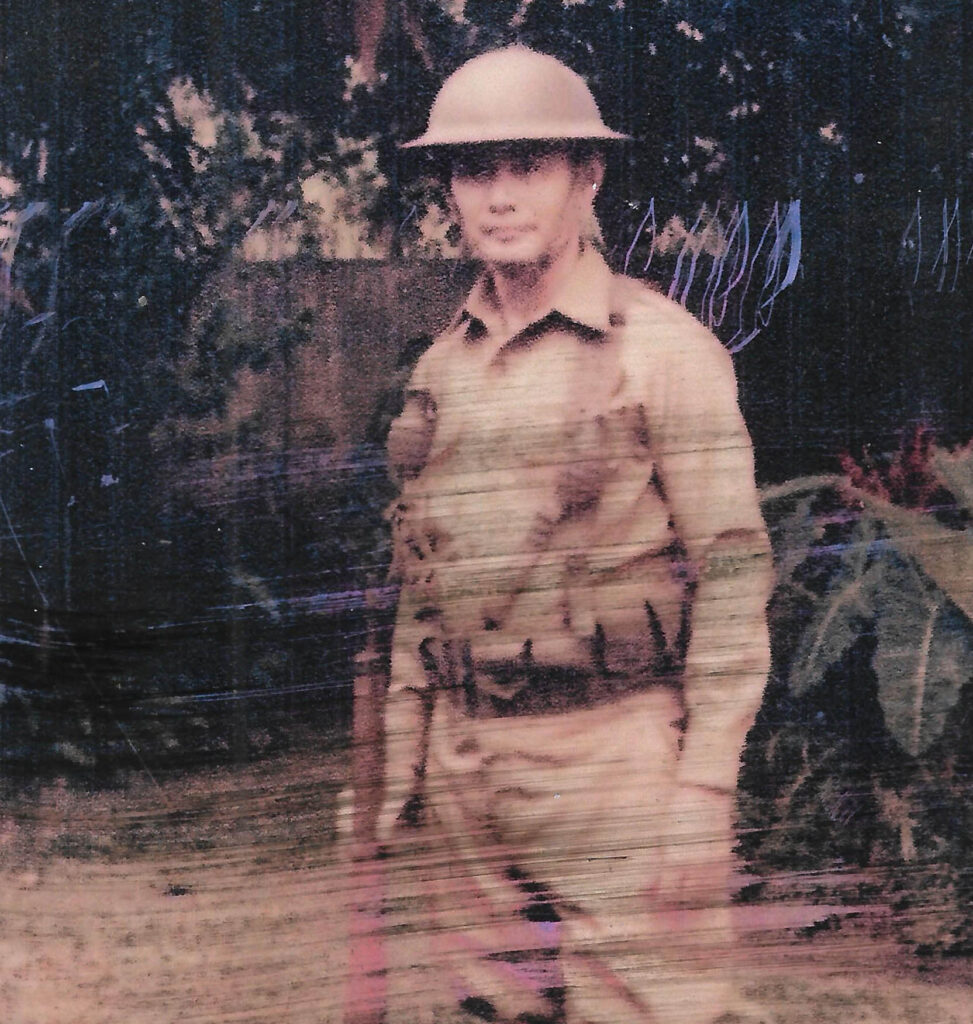
fighting at the Guagua-Porac Line; Amidst Unsung Heroes and the Battle of Porac.
OPERATION OF JAPANESE AIR ARMY AGAINST FILIPINO-AMERICAN FORCES IN RETREAT – 撤退するフィリピン・アメリカ軍に対する日本航空軍の作戦
One eyewitness of the Japanese aircraft constantly harassing Filipino positions during the retreat to Bataan from Tarlac was Colonel Mallonee from the 21st Division (P.A.) Artillery, where he gave his vivid accounts:
“Herman (the name given to Japanese fighter that constantly harassed the retreating Filipino-Americans) remained our constant companion into and on Bataan. He and his group blasted us out of three Command Posts, killed a number of our men and wounded more, and was effective mainly in limiting our daylight movement. Without aerial or anti-aircraft opposition, he could come low enough, figuratively, to lift the tree branches and look underneath before spitting his bombs. A most effective member of the Imperial Japanese Air Force.”
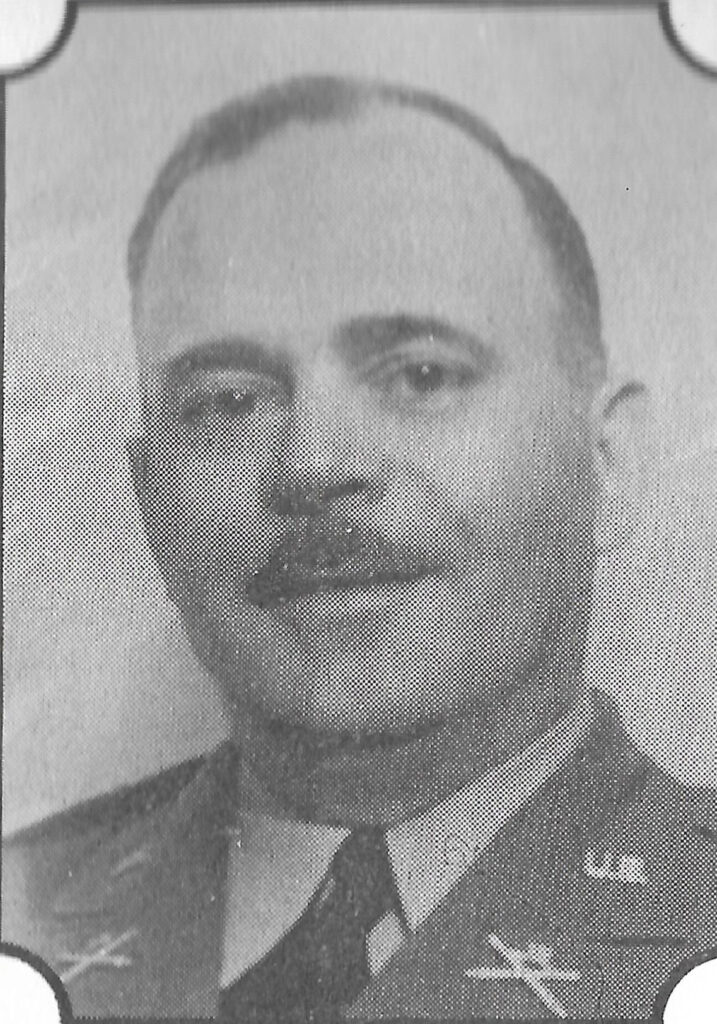
Artillery, witnessed the Japanese strafing and bombings of Filipino-American troops
from Tarlac to Porac.
Source: Mallonee, Richard III. The Naked Flagpole – Battle for Bataan.
COMBAT NARRATIVES OF JAPANESE AIR ATTACK ON FILIPINO-AMERICAN POSITIONS FROM TARLAC TO PORAC – タルラックからポラックまでのフィリピン系アメリカ人の陣地に対する日本軍の航空攻撃の戦闘記録
The following are the accounts of the Japanese 5th Air Group conducting air operations to include strafing and dive-bombing of North Luzon Force’ troops, defense lines, rail and vehicle movements from Tarlac to Porac, from December 29, 1941 to January 4, 1942.
December 29, 1941: North of Tarlac, Tarlac – 1941年12月29日: タルラックの北、タルラック
During the defense of the Filipino line north of Tarlac, 19 Nakajima Ki-27 Type 97 Fighter (Allied name “Nate”) from 50th Air Regiment, 4th Air Brigade, 5th Air Group, were dispatched from Vigan Airfield, Ilocos Sur in support of the Japanese Army operation against the USAFFE Defense Line No. 3 in retreat into Tarlac, Tarlac.
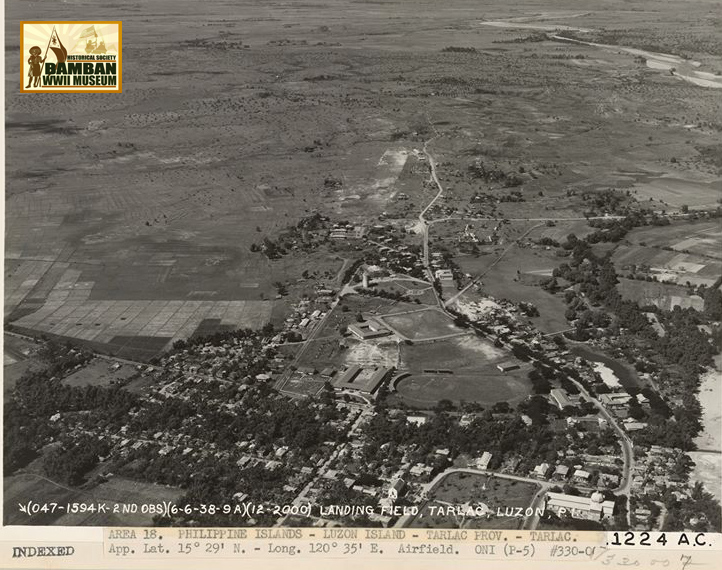
Line No. 4, where Japanese aircraft conducted bombings.
Colonel Richard Mallonee, American senior military instructor with the 21st Division (P.A.) Artillery, witnessed 9 aircraft he observed to be dive-bomber but were Nakajima Ki-27 from the 50th Air Regiment that bombed the division columns, group of vehicles and assembly areas.
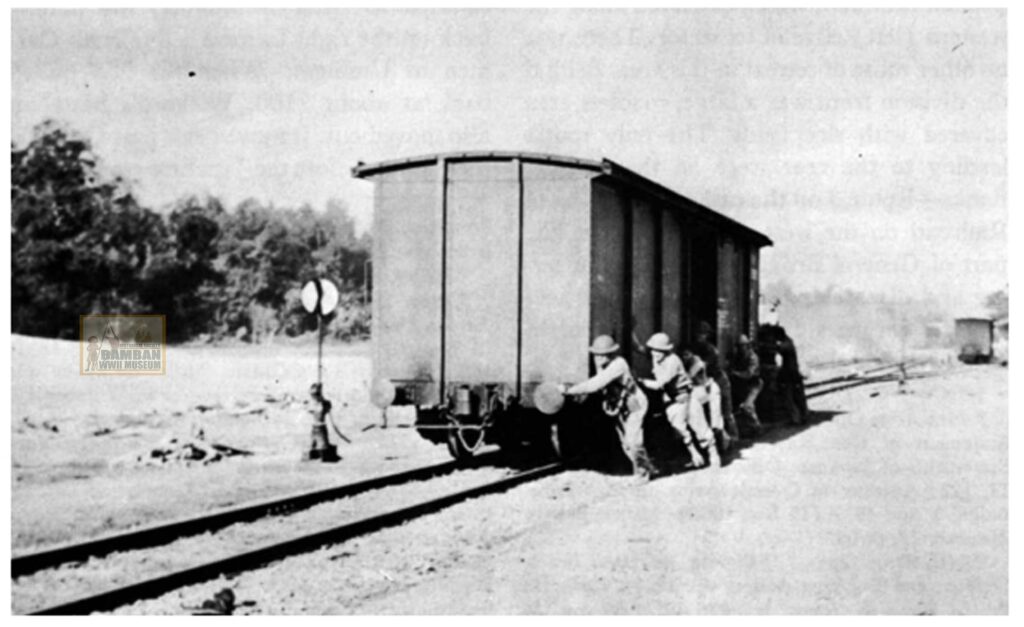
at Tarlac, Tarlac; late December 1941 (probable).
Source: US Army in WWII The War in the Pacific – The Fall of the Philippines
December 30, 1941: Tarlac, Tarlac – 1941年12月30日:タルラック、タルラック
Main force of the 5th Air Group composed of light bombers, heavy bombers and fighters were dispatched for air operations around Tarlac, bombing Filipino positions from the 21st Division (P.A.) south of the town and at the barrio San Miguel near the vicinity of Camp James Ord (present Camp Servillano Aquino) as part of the USAFFE Defense Line No. 4.
December 31, 1941: San Fernando, Pampanga, along MacArthur Highway – 1941年12月31日:パンパンガ州サンフェルナンド、マッカーサーハイウェイ沿い
24 sorties from the 16th Air Regiment, 4th Air Brigade composed of Mitsubishi Ki-30 Army Type 97 Light Bomber (Allied name “Anne”) were dispatched with 8 dive-bombings were recorded on the convoy of Filipino-American motorized units traveling in retreat along Route 3 (MacArthur Highway) destroying vehicles and 65 freight cars at the San Fernando train station.
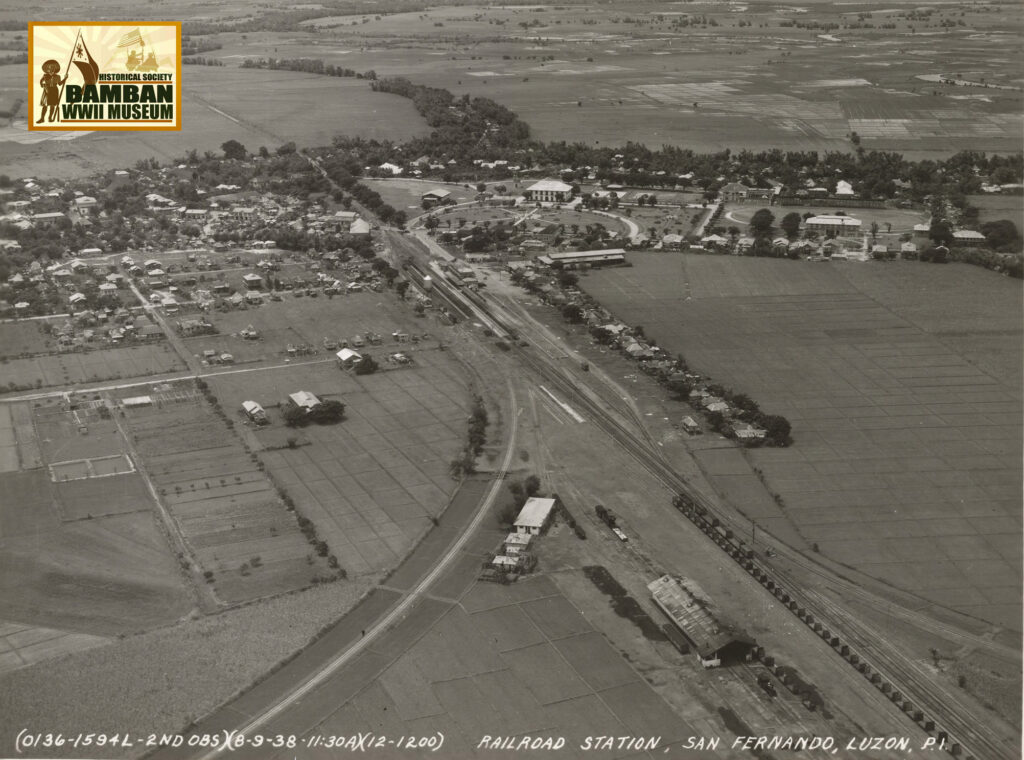
a frequent target of Japanese 5th Air Group.
January 1, 1942: Bamban, Tarlac – 1942 年 1 月 1 日: タルラック州バンバン
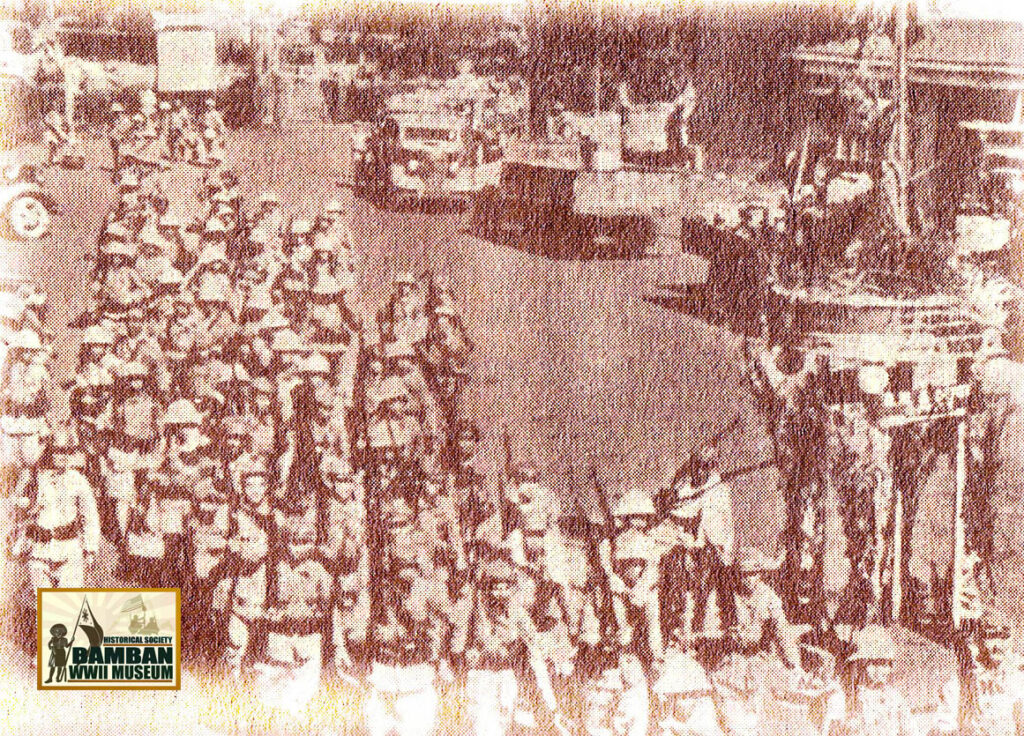
Units from the 5th Air Group, probably from the 24th and 50th Air Regiments with Nakajima Ki-27 Type 97 Fighter strafed and dive-bombed Filipino forces in retreat to the south. This air operation conducted by the 5th Air Group on the Filipino positions was in the Bamban USAFFE Defense Line No. 5, who defended the bridge above the Paruao River and the infantry lines at the entrance, high ground and to the south of the river from the Kanno Detachment.
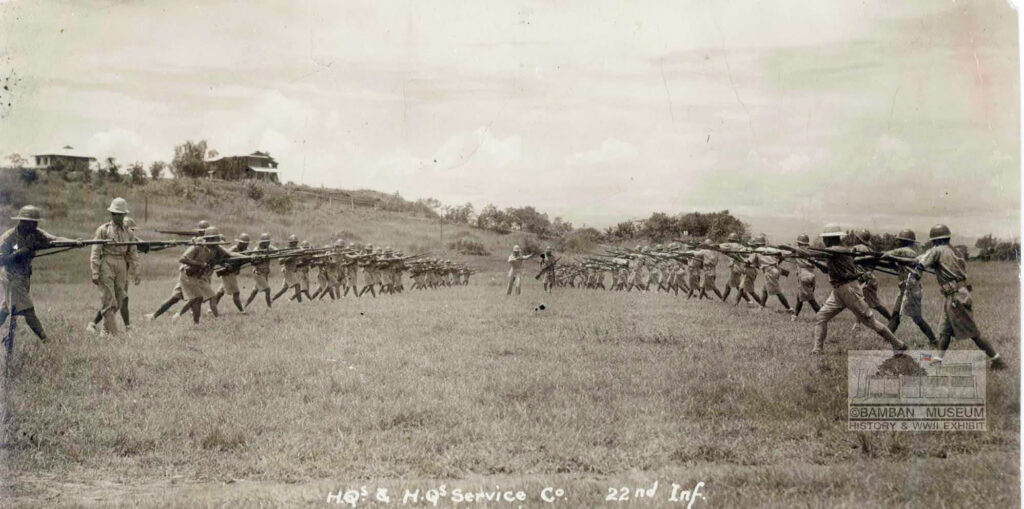
days. The same infantry regiment fought in Bamban Line, USAFFE D-5 Line in January 1, 1942.
January 1, 1942: San Fernando, Pampanga – 1942 年 1 月 1 日: パンパンガ州サンフェルナンド
24 sorties were flown by the 16th Air Regiment with Mitsubishi Ki-30 light bombers, bombing railway cars and vehicles including San Fernando and the train station destroying 20 railroad cars and vehicles.
January 1, 1942: Highway between San Fernando, Pampanga and Limay, Bataan (Route 7) – 1942 年 1 月 1 日: パンパンガ州サンフェルナンドとバターン州リメイ間の高速道路 (国道 7 号線)
Mitsubishi Ki-30 light bombers from the 16th Air Regiment made 9 attacks on Filipino-American motor convoys and rail movements in retreat, destroying 7 trucks and 5 railroad cars.
January 2, 1942: Guagua-Porac Line, Pampanga – 1942 年 1 月 2 日: パンパンガ州グアグア – ポラク線
During the general attack of the Japanese Takahashi Detachment (Lt. Col. Katsumi Takahashi) and 9th Infantry on the Filipino-American Guagua-Porac Line, with the 21st Division (P.A.) defending the left flank at Porac and the 11th Division (P.A.) at Guagua, aircraft from the Japanese 5th Air Group conducted staffing and dive-bombing on the Filipino positions.
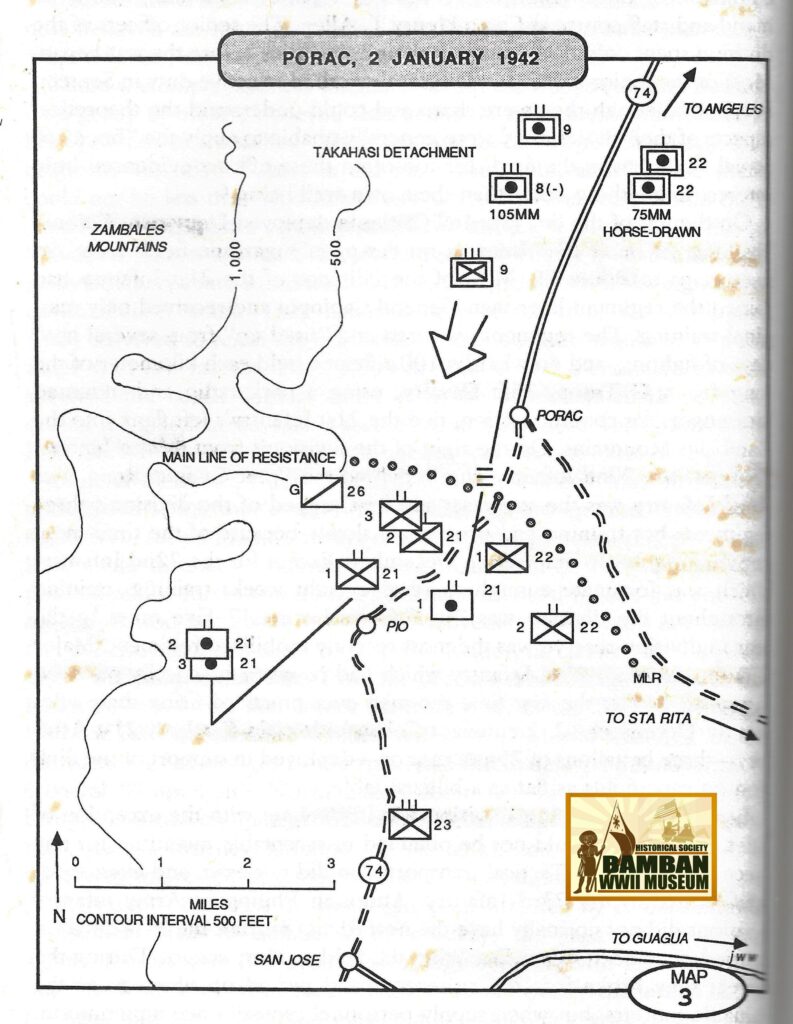
defending the western anchor against the Takahashi Detachment, with artillery support
by 105mm and 75mm field guns.
Source: Whitman, John W. Bataan Our Last Ditch.
January 4, 1942: Between Porac and Floridablanca and Lubao and Dinalupihan – 1942 年 1 月 4 日: ポラック、フロリダブランカ、ルバオ、ディナルピハン間
With the withdrawal of the Filipino-American forces into Bataan after the defense of the Guagua-Porac Line, Japanese aircraft from various units of the 5th Fighter Group (probably from the 16th, 24th and 50th Air Regiments) continued providing air support for the Japanese Takahashi Detachment advance, harassing Filipino-American troops dispositions and the retreating 21st Division (P.A.) along the Porac-Dinalupihan Road (Route No. 74) and the 11th Division (P.A.) along the Lubao-Hermosa Road (Route 7).
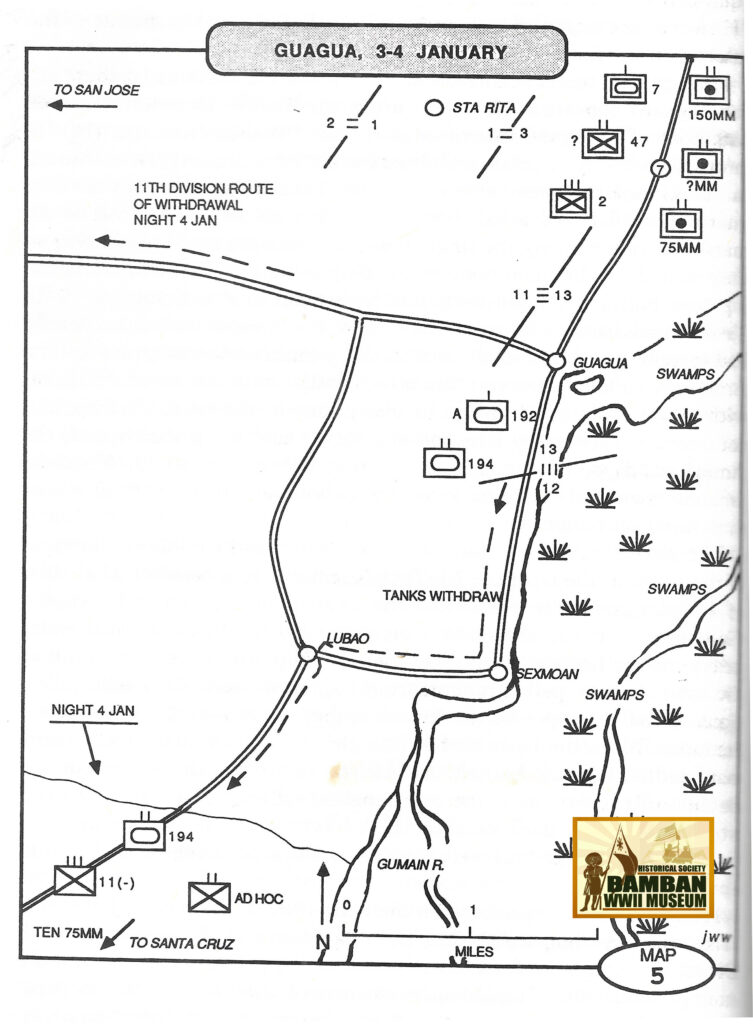
192nd and 194th Tank Bn after engaging the Japanese forces at Guagua area.
Whitman, John W. Bataan Our Last Ditch.
© 2026 Rhonie C. Dela Cruz
Bamban WWII Museum/Historical Society
Bamban Center for Pacific War Studies
WWII Remembrance Network – Hell Ships Memorial
PGT – Tarlac Provincial Tourism Office
Citation/References:
(1) Philippine Air Operations Record – Phase One, Japanese Monograph No. 11.
(2) Mallonee, Richard III. The Naked Flagpole – Battle for Bataan.
(3) Dizon, Daniel H. Amidst Unsung Heroes and the Battle of Porac.
(4) Hata, Ikuhiko, Yasuho Izawa and Christopher Shores. Japanese Army Air Force Fighter Units and Their Aces 1931-1945.
(5) Whitman, John W. Bataan Our Last Ditch.