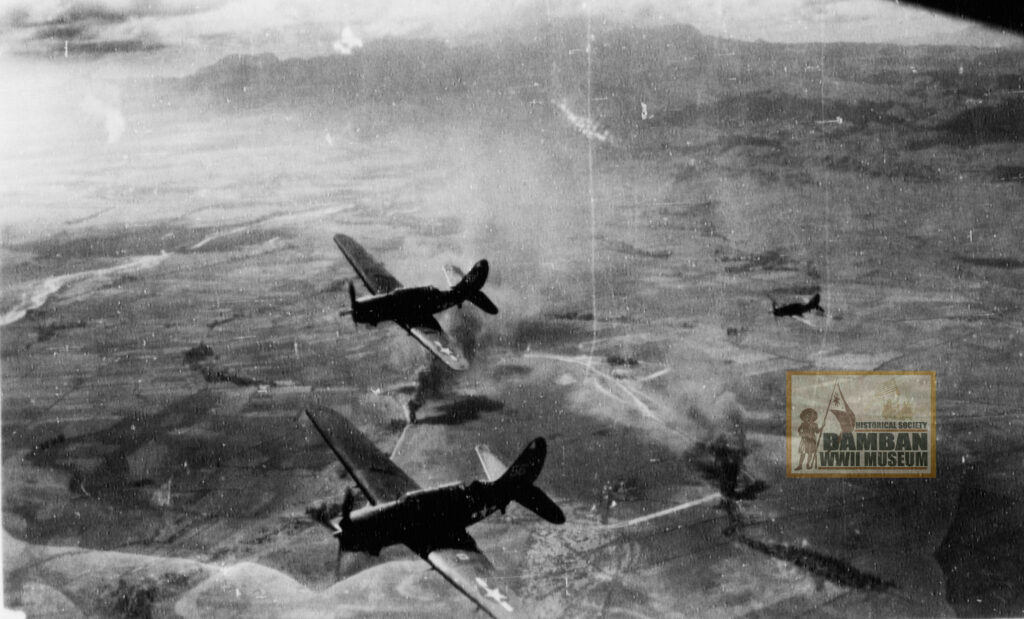
dropping bombs over the Bamban Airfield, late 1944.
US NARA photo.
Investigating History:
DECEMBER 14, 1944: AIR RAIDS OVER BAMBAN AIRFIELD – 1944年12月14日:バンバン飛行場への空襲
INTRODUCTION: SITUATION, LATE 1944 -はじめに:1944年後半の状況
On December 14, 1944, a day at the height of the Battle of Mindoro in Central Philippines, the Japanese Army and Navy air forces from Clark Field center launched a total of 69 aircraft, including 49 Kamikaze special attack. Since late October 1944, it had come to the US 3rd Fleet under the command of Admiral William. F. Halsey, that substantial air operations from both the Japanese Army and Navy come from Clark Field complex. And on this day, 76 years ago, American carriers from Task Force 38 Fast Carrier Force (number 1-4) launched major operations to neutralize Japanese air assets at Clark Field center and prevent further launch of Japanese air operations from the area. Many of the Japanese aircraft that took off early in the morning, enroute to Mindoro were shot down by the Task Force 38 carrier-sweeps. Most of the fighter, bomber, and torpedo bomber squadrons from various carriers from TF 38. Among the carriers was the USS Lexington from the Task Force 38.3 (Group 3), with some of the navy’s top aces from the Fighter Squadron 20 (VF20); Lt. Alexander Vracui and Lt. David Baker.
Joshua Little John Dela Cruz photo.efault
Since September 21, 1944, American air attacks were conducted in Luzon by the carrier-borne aircrafts of the United States Navy. Clark Air Center, comprising the main fields of Clark, Bamban, Mabalacat, Angeles and Porac were also target of the massive air raids while various USAFFE units from Captain Alfred Bruce of the South Tarlac Military District and Captain Henry Clay Conner of the Squadron 155 located south of the main Japanese airbase on Luzon where jubilant with the show of air supremacy of the United States. In the coming days, the Japanese Imperial command in Tokyo commenced the Sho Go (Leyte) Operation intended to stop the American Occupation of the Philippines, mobilizing tactical air forces from the Second Air Fleet to augment the existing number of operational aircraft of the First Air Fleet of the Japanese Navy and the 4th Air Army in the Clark Air Center.
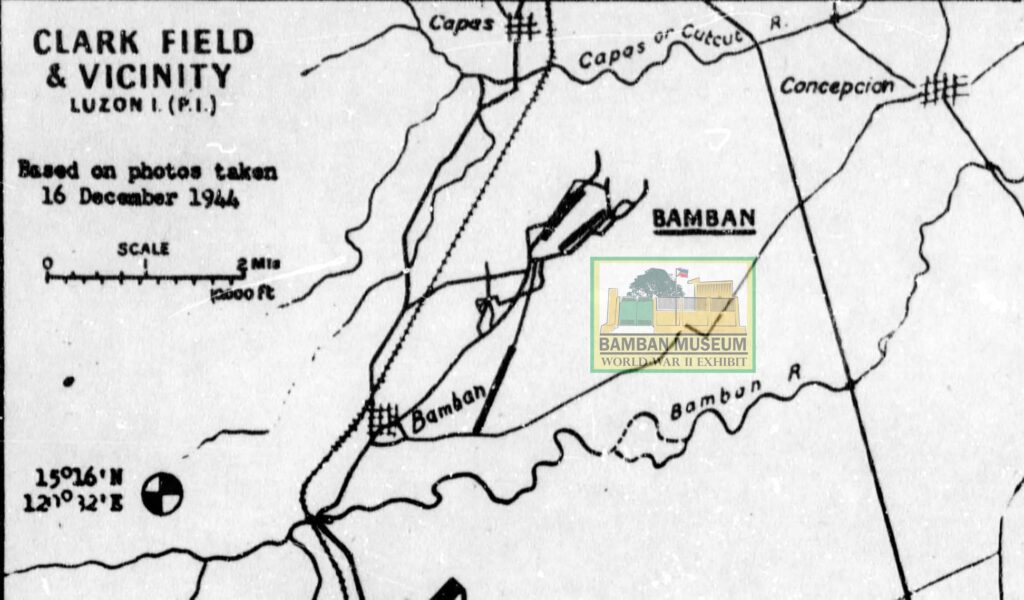
US National Archives (NARA). Courtesy of Dave Metherell.
BAMBAN AIRFIELD 1944 – バンバン飛行場 1944
One of the main airfield facilities of the Clark Air Center was the Bamban Airfield. Originally constructed by the Imperial Japanese Army in early 1943 using local Filipinos laborers, it was one of the biggest airfield in the Pacific and became operational in February 1944 with Japanese Air Army units assigned as main base of operations including 20th and 72nd Hiko Sentai (Air Regiment) and the Japanese Imperial Navy’s Second Air Fleet units with its 203, 762 and 653 Kokutai (Air Group). Since the first air sweeps in September 21, 1944 by carrier-borne units of the US Navy, the Japanese facilities at the Clark Air Center with Bamban as “one of the major satellite airdromes of the Clark air center” had been receiving continuous air attacks with intensity on October 29 and November 5, 1944. Numerous air interceptions were conducted by the Japanese Navy over the Bamban with its 203 and 653 Kokutais resulting in the death of some of its naval aces in ranks. After the capture of the Bamban Airfield on January 23, 1945 by the elements of the 160th Infantry, 40th Division, it was described as “one of the finest (airfield) captured by the Americans in the Pacific”.
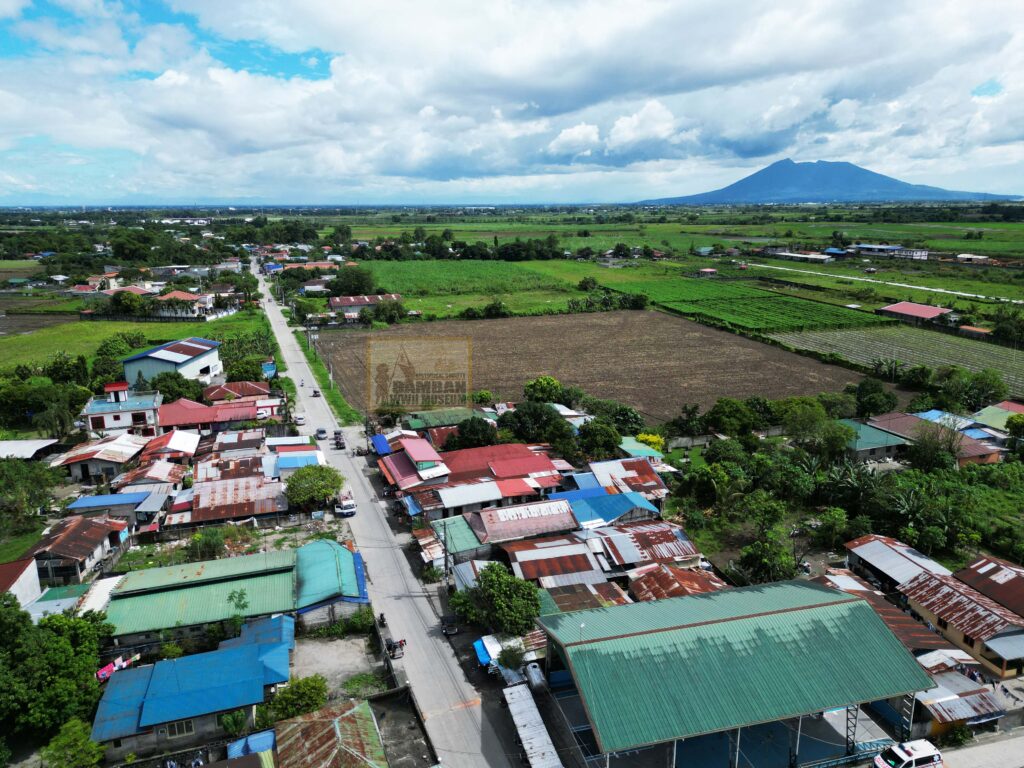
Joshua Little John Dela Cruz photo.default
MINDORO OPERATIONS, DECEMBER 14-15, 1944 – ミンドロ作戦、1944年12月14日~15日
After the successful Leyte landing in October 1944, the next target of General Douglas MacArthur invasion plan for the Philippines was Mindoro to prepare for the airfields necessary for the Luzon operations and landing. On December 14, 1944 as the US Army Mindoro convoy is heading, the Japanese High Command decided to initiate an effort to forestall the American advance by sending airplanes from the Japanese Imperial Army and Navy units at Clark Air Center including Special Attack units. Various fighter, fighter bombers and torpedo-bombers from the carriers of the American Task Force 38 Fast Carrier Groups Pacific Fleet were committed for the operation against Japanese attacks on Mindoro convoy and on the air sweeps over the Luzon and Clark airfields including the Bamban.
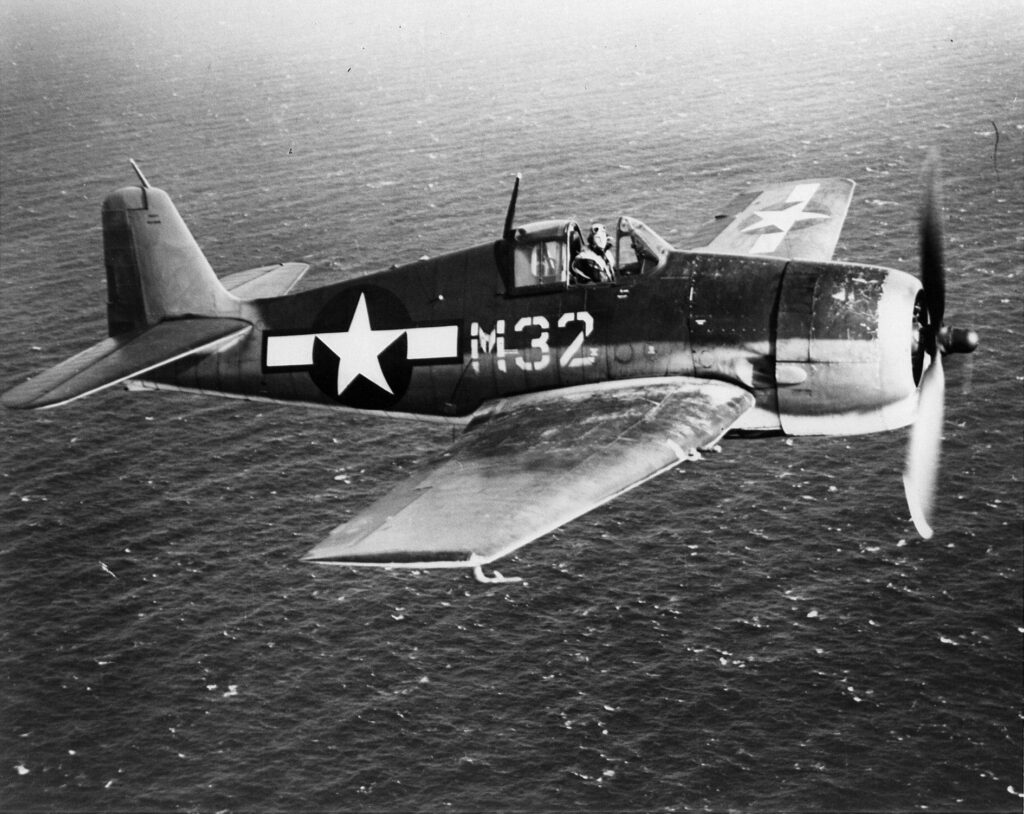
Bamban Historical Society collection.
FIGHTER SWEEPS OVER THE BAMBAN – ヒコーキ戦闘機がバンバンを制覇
One of the American air groups given the mission for the air operations in the Bamban was that of the USS Lexington of the Task Group 38.2 along with that of the Hancock and Hornet. With its air group, the newly installed CVG 20 with its main fighter unit, the Fighter Squadron 20 (VF-20) was set to conduct air strikes over the main Japanese facility at Bamban Airfield. Among the leading ace pilots of the Fighting Squadron 20 was Lt. Alexander Vracui and Lt. Junior Grade Douglas Baker. Lt. Vraciu was formerly with the Fighting Squadron 19 of the USS Enterprise and moved to the VF-20 where the unit was tasked to sweep the Bamban Airfield. The Japanese defenders of the Bamban Airfield were more experienced after the many air operations conducted by the carrier squadrons since September 21, 1944. Various anti-aircraft batteries littered the vast airfield complex to include medium and heavy anti-aircraft guns(20mm – 50mm impact fuse shells and time-fused shells from 75mm and over) in anticipation of any American air attack. On the early morning of December 14, around 630 hours, two fighter sweeps from the Lexington units conducted by Grumman F6F “Hellcat”, followed by a third sweep over the Bamban-Clark airfields against specific targets to include parked aircrafts and anti-aircraft positions. On the fourth fighter sweep, twelve F6F Hellcats conducted bombing runs. On these air raids, there were no Japanese interceptors to counter the American fighters. However, intense but accurate medium and heavy anti-aircraft fires were able to down three pilots.
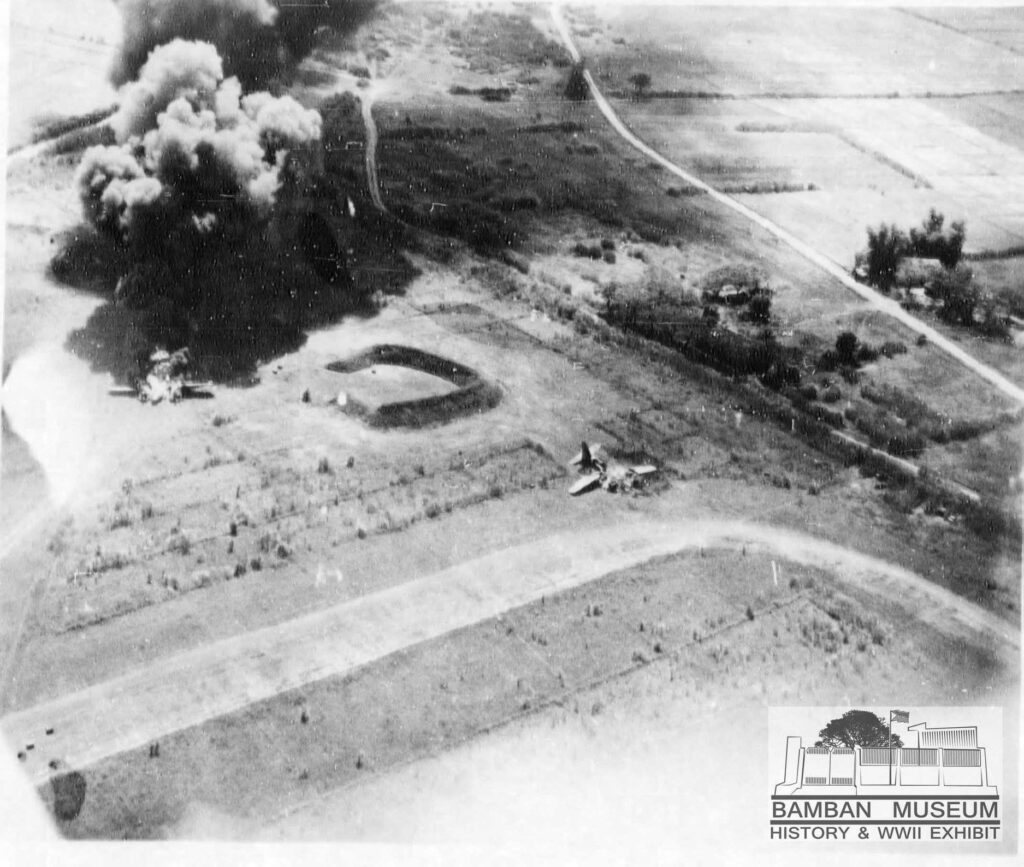
NARA Photo.
AMERICAN DOWNED NAVAL AVIATORS AND ACE PILOTS – アメリカ海軍のパイロットが撃墜され死亡した
Based on the available information gathered from various sources to include the operations of the USS Lexington, it can be deduced that the fourth fighter sweep conducted on the 14th of December 1944 resulted in the crash of two naval ace pilot; Lt. Alexander Vracui and Lt. JG Douglas Baker. Another pilot of F6F Grumman, Ensign James G. Darracott also from Fighter Squadron 20 (VF-20).
able to parachute and rescued by the local Capas Battalion guerrillas.
Bamban Historical Society collection.
LT. ALEXANDER VRACUI: AN AMERICAN ACE PILOT – アレクサンダー・ヴラクイ中尉:アメリカのエースパイロット
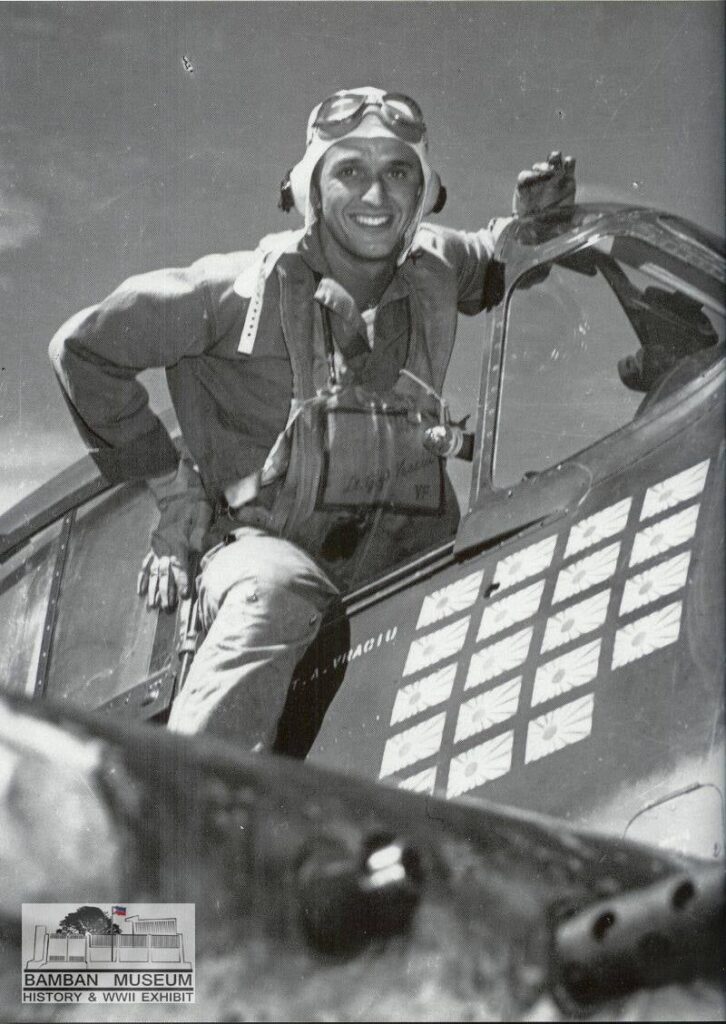
Lt. Vraciu was the luckiest guy on that fateful morning of December 14, 1944 during the conduct of fighter sweeps over the Clark-Bamban areas. Recently, he was transferred to the Fighting Squadron Twenty (VF-20) from his previous unit the VF-19 and in a matter of days, was already in combat missions. His first mission covers Angeles Airfield and later Clark field proper where he fired on parked Japanese aircraft. At the strike at Bamban Airfield, he was able to destroy two Japanese Army Nakajima Ki-44 Shoki (Allied name Tojo). On his second fighter sweep over the Bamban, Lt. Varcoe’s Grumman was hit by the anti-aircraft fire at Bamban Airfield. Prior to the crash-landing, he managed to bail out of his burning aircraft and parachuted in Capas, where he landed in Sitio Caranto.
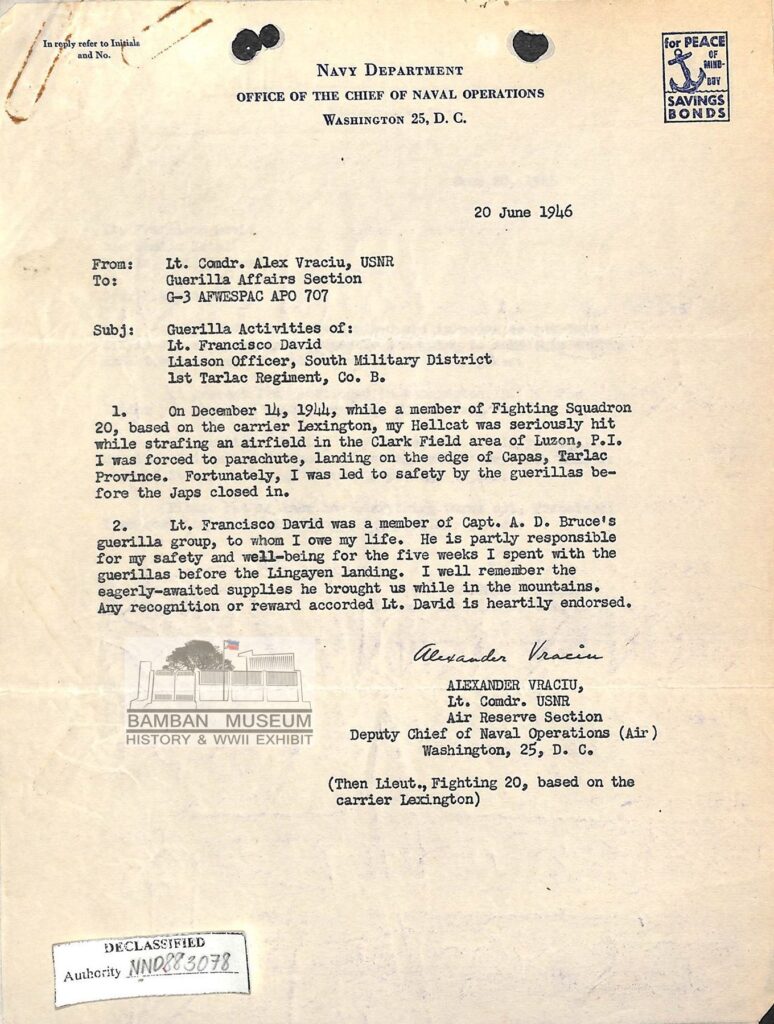
Record of Capas Battalion, Bruce Guerrilla. Philippine Archives Collection, PVAO.
As the Japanese military particularly the dreaded Kempei-Tai military police were after the prized American aviators, local guerrillas under Capas Battalion were quick to conduct rescue operation for Lt. Vraciu. Actually, his landing site at Caranto was the farm of Lt. Luis Ramos of the Intelligence of the Capas Battalion. He was scooped out of the Japanese line and was brought to the headquarters of Captain Bruce by Lt. Ramos and Lt. Francisco David located deep in the mountain fastness of the Malasa, Bamban where he became the “American Ace Guerrilla” of South Tarlac Military District, Luzon Guerrilla Forces with a rank of Brevet Major. He will stay at the camp of Captain Bruce along with other rescued American aviators for more than five weeks, until he was brought to the American line in Paniqui, Tarlac on January 17, 1945. Lt. Vraciu was one of the US Navy’s highest scoring ace with 19 confirmed kills. He was taken back to his unit at the USS Lexington where he was later brought back to the US.
Credit to owner. BHS Collection.
LT. JUNIOR GRADE DOUGLAS BAKER: DEATH OF AN ACE PILOT – ダグラス・ベイカー中尉:エースパイロットの死
Lt. JG Baker from Lindsay, Oklahoma was just promoted when he was tasked with the fighter sweep mission with his Grumman F6F Bu No. 71800 on that morning of December 14, 1944 over Bamban-Clark fields. After shooting down three Japanese A6M “Zeke” and one Aichi D3A Type 99 carrier-bomber “Val” scattered in the areas, Lt. JG Baker’s F6F-5 Hellcat was shot down over the Bamban Airfield and fell to the Japanese anti-aircraft guns that littered the area. He crash-landed near the northern edge of the airfield near present boundary between barrio Susuba, Capas and San Rafael, Bamban. Elements of the Capas Battalion, Bruce Guerrilla of the South Tarlac Military District – Luzon Guerrilla Forces under the command of Captain Albert Stockton went to the crash site and buried the remains of the pilot near Sapang Dulupon. His dog tags were taken by the men of Capas Battalion where they were given to Captain Alfred Bruce. Lt. Alexander Vracui, Baker’s fellow squadron mate from Fighting Squadron Twenty who was rescued by Filipino guerrillas under Bruce received the dog tags as proof that the naval ace was buried. At the time of his death on that fateful morning of December 14, 1944, Lt. JG Baker was one of the highest scoring naval ace pilot in Leyte-Luzon Air Operations with a total of 16 confirmed kills. He was awarded Distinguished Flying Cross, The Silver Star and The Gold Star (all posthumously) for his dedication, gallantry and extra ordinary achievement as a fighter pilot.
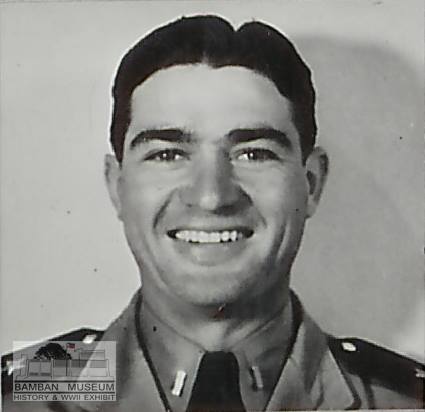
Source: https://laststandonzombieisland.com/…/vraciu-has-made…/
LT. JUNIOR GRADE JAMES G. DARRACOTT: SHOT DOWN OVER BAMBAN AIRFIELD –
ジェームズ・G・ダラコット中尉:バンバン飛行場上空で撃墜
As a squadron-mate of both Lt. JG Baker and Lt. Vraciu, Lt. JG Darracott (301611 US Naval Reserve) flew his Grumman F6F-5 Hellcat on the fighter sweep mission over the Clark-Bamban airfields on December 14, 1944. On the fourth fighter sweep operation over the Bamban, his Hellcat was fell down to intense anti-aircraft fire that had become menace to the raiding American fighters and bombers. His fighter plane crash-landed on the edge of the Bamban Airfield near a creek on what is now part of Barangay San Rafael. Both the Bamban Battalion and Capas Battalion of the USAFFE guerrillas under Captain Bruce were in constant monitoring of any American aircraft that might crash land due to anti-aircraft or dogfight over the airfield for rescue mission. At the same time, Filipino civilians residing near the area of airfield were also alert for possible crash-landing of American aviators. Pacifico Sangalang accompanied by Venancio and Artemio Miclat from Barrio Pacalcal (present Virgen Delos Remedios) went to the scene of the crash site, only to find the pilot, Lt. JG Darracott dead inside the wrecked Hellcat. Troops from the nearby Bamban Airfield, from the airfield battalion (137th) went to the crash site and took away the dead aviator’s dog tags. After the war, elements of the 609th Quarter Master Graves Registration Company went to the site to investigate the fate of Lt. JG Darracott and his remains were recovered and were interned at McKinley Cemetery (present American Cemetery in Taguig City).
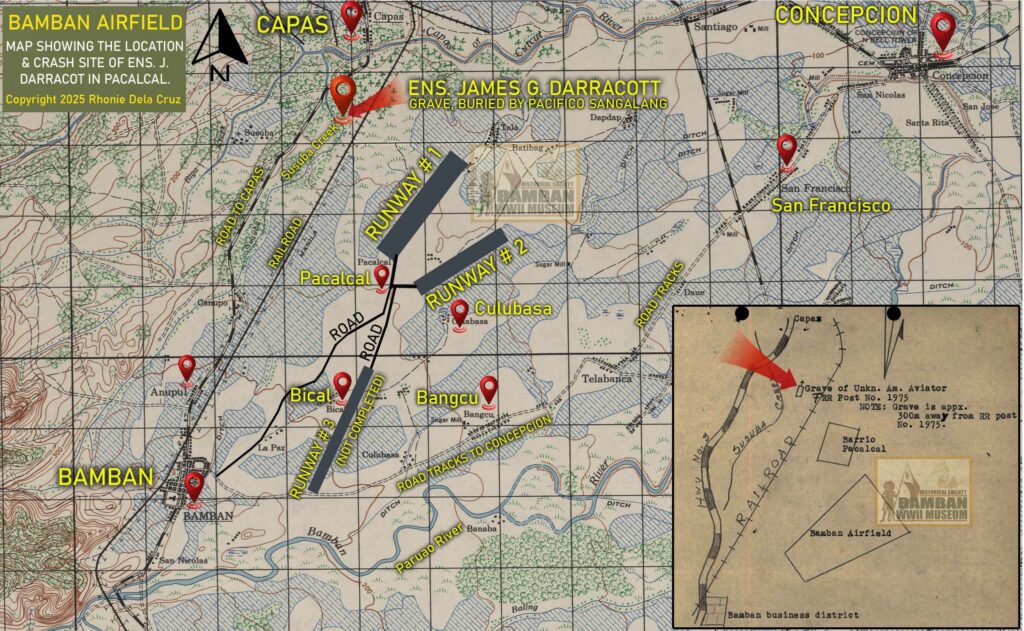
Map design by Rhonie Dela Cruz.
ENSIGN JAMES W. ROBINSON – ジェームズ・W・ロビンソン少尉
Also squadron mate from the Fighting Squadron Twenty on the same fighter sweep mission on December 14th, he was rescued by elements of O’Donnell Regiment, Bruce Guerrillas. He was brought to the headquarters of O’Donnell Regiment, Bruce Guerrilla under the command of Col. Eliseo Mallari where he joined other survivors and downed American aviators. He met Lt. Alexander Vracui near Camp O’Donnell, Capas during the latter’s stay at Col. Mallari’s headquarters. He survived the war and was later brought back to American line and flew back to his unit.
KILLING AND BURNING IN CAPAS, TARLAC – タルラック州カパスでの殺害と焼却
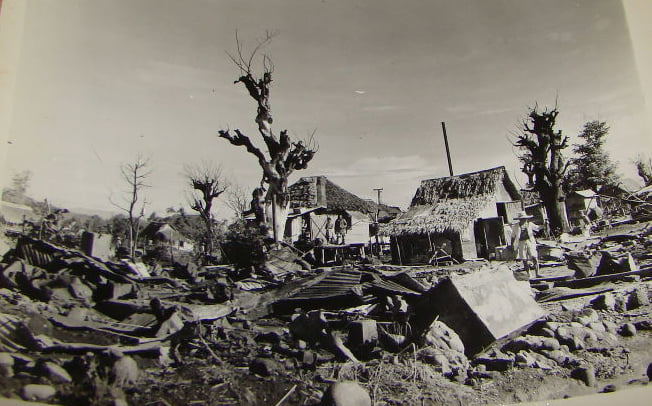
There were several air strikes and fighter sweeps conducted over the Bamban Airfield in the remaining weeks prior the arrival of the first American troops on January 23, 1945. However, that fateful day on the morning of December 14, 1944 was a crucial and important operation because many of the Japanese fighters were coming from the airfields of Clark Air Center against the Mindoro landing on the way at the time. As such, the fighter sweep operations on that day that included the US Navy’s cream of naval ace aviators was so crucial to destroy and eliminate Japanese capability to conduct air operations from the Bamban-Clark airfields. On that day alone, eight American aviators were shot down. In the rescue of Lt. Vraciu at Caranto, Capas, nineteen civilians and guerrillas were executed, countless others were tortured and eight houses in the barrio were burned by the Japanese military who were looking for the downed pilot unsuccessfully. The Japanese garrison at Capas conducted successive retaliatory strikes on the suspected local guerrilla base, killing countless civilians including women and children. It was a big sacrifice by the Filipinos of Capas for saving the life of Lt. Vraciu. But this did not deter the spirits of the fighting Filipino guerrillas of Captain Bruce that included the Bamban, Capas, Tarlac and the Ayta warriors of the mountains. Nor did it relinquish the support of the local population for the common goal of freedom and liberty against the enemy at the time.
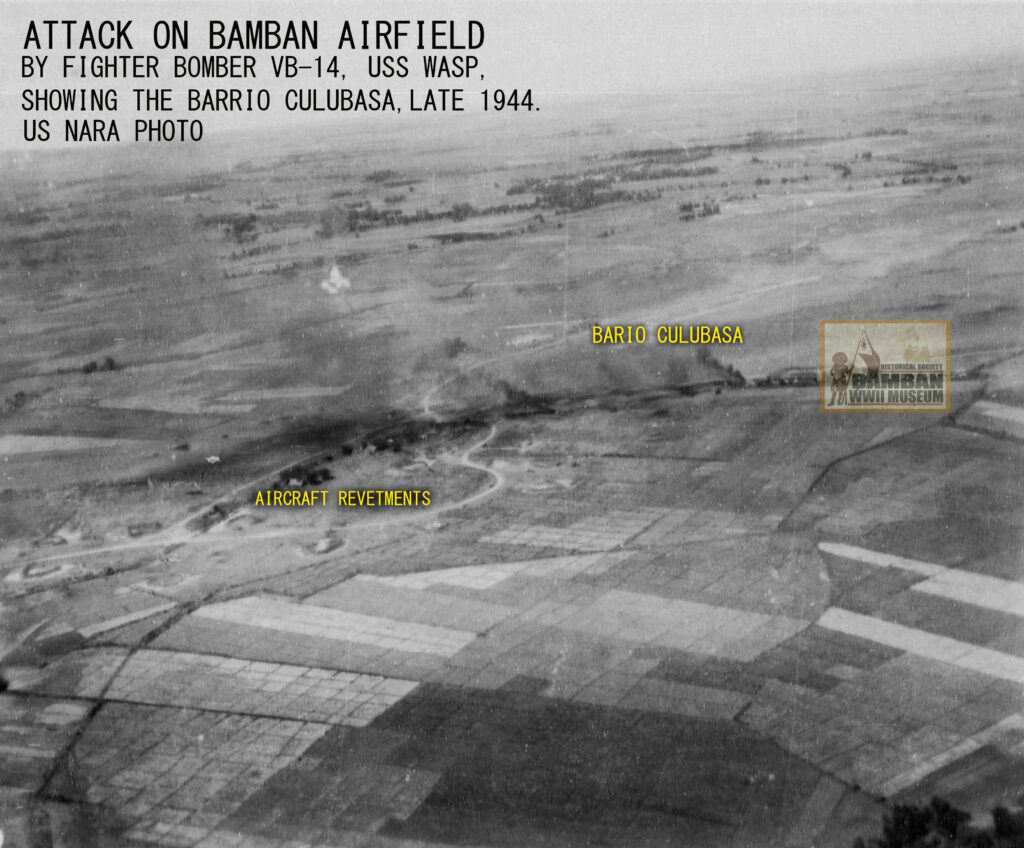
NARA Photo.
LEST WE FORGET – 記憶の中で
This highlight in history; the air raid over the Bamban Airfield on December 14, 1944, the death of American naval aviators, the rescue of one of the highest naval ace and the ultimate sacrifice of our Filipino patriots at the hands of the common enemy during WWII shall not be forgotten and may inspire and motivate us in our time that we shall value freedom and protect it, for many had given sacrifice and some died that we may enjoy it.
Rhonie C. Dela Cruz
Bamban Historical Society / Bamban WWII Museum
Center for Pacific War Studies
Provincial Government of Tarlac, Tarlac Provincial Tourism Office
WWII Remembrance Network – Hell Ships Memorial
CITATIONS
(1) Power Jr., Hugh. Carrier Lexington. Texas: Texas A & M University Press, 1996.
(2) Tillman, Barrett. Hellcat Aces of WWII. Osprey Aircraft of the Aces No. 10. Edited, Tony Holmes. New York: Osprey Publishing, 1996.
(3) Tillman, Barrett. Hellcat, The F6F in WWII.
(4) Morrison, Samuel Elliot. The Liberation of the Philippines: Luzon, Mindanao, the Visayas 1944-1945. New Jersey: Castle books, 2001.
(5) Morrison, Samuel Elliot. History of the United States Naval Operations in WWII. New Jersey: Castle books, 2001.
(6) Sears, David. An American Ace Guerrilla. WWII History, 2014.
(7) Aircraft Action Report No. 122 November 5, 1944 Strike on Luzon USS Wasp. Manuscript. National Archives, College Park, Maryland. Bamban Historical Society Collection, Bamban Museum.
(8) Capas Battalion, Southern Tarlac Military District (STMD), Luzon Guerrilla Forces. Box No. 485, File No. 286-3. Philippine Archives Collection – PVAO.
(9) Levin, Edwin PCF. Interrogation Report Pacifico Sangalang On the Death of US Navy Pilot X-191 in Barrio Pacalcal, Bamban. File Report No. 293 – Unknown X-1529. Headquarters 4th Platoon 609th Quartermaster Graves Registration Company APO 75: August 9, 1946.
(10) Feredo, Tony. Japanese Air Units at Bamban and Other Tarlac Airfields. Unpublished. Bamban Historical Society Collection. Bamban Museum.
(11) After-Action Report Nos. 122-126, U.S.S Wasp, November 5-6, 1944, NARA.
PHOTOS
(a) Photo of Lt. Alex Vracui; circa 1944.
Credit to owner. BHS Collection.
(b) Portrait of Lt.JG Douglas Baker; circa 1944.
Source: https://laststandonzombieisland.com/…/vraciu-has-made…/
(c) Photo of an actual air strike over Bamban Airfield, November 1944.
US National Archives (NARA). Courtesy of Dave Metherell.
(d) Photo of Grumman F6F from Fighting Squadron Twenty, circa 1944.
Bamban Historical Society collection.
(e) Remains of a burned village in Capas, early 1945.
Bamban Historical Society collection.
(f) Map of Bamban area, December 1944.
US National Archives (NARA). Courtesy of Dave Metherell.
(g) Aerial view of the barrio of Culubasa, showing the Japanese aircraft revetments in the barrio, under attack by American navy bombers SB2C from VB-14, U.S.S Wasp.
NARA Photo.
(h) Lt. Alex Vracui, upon return to his unit after his guerrilla days in Bamban Malasa mountain HQ.
Source: https://warfarehistorynetwork.com/…/alex-vraciu-u-s…/
(i) Letter of Lt. Alex Vracui, dated 1946.
Record of Capas Battalion, Bruce Guerrilla. Philippine Archives Collection, PVAO.
(j) Map of Bamban Airfield, showing the crash site of Ensign James Darracott.
Map design by Rhonie Dela Cruz.
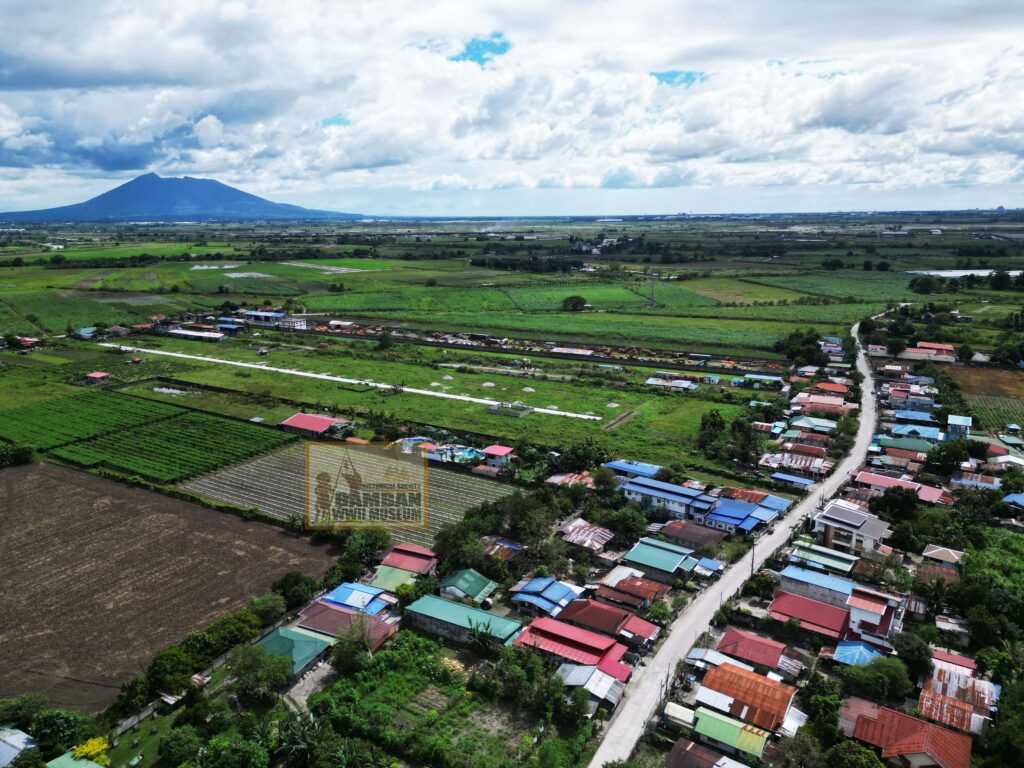
(K) Aerial view of the former Bamban Airfields taken via drone over the village of Virgen Delos Remedios (Pacalcal), December 2025.
Joshua Little John Dela Cruz photo.